Al Quoz · Dubai

Car Window Tinting in Dubai

Choose window film for heat control and usable visibility, with a clear specification and a quote for your car.

The film shade is only one part of the choice. Compare the named product, visible light transmission and heat rejection on a stated glass basis. Existing glass, the panes covered and old-film removal all affect the result and price.

Tell us your car model and what you want to improve. Photos are welcome but optional.

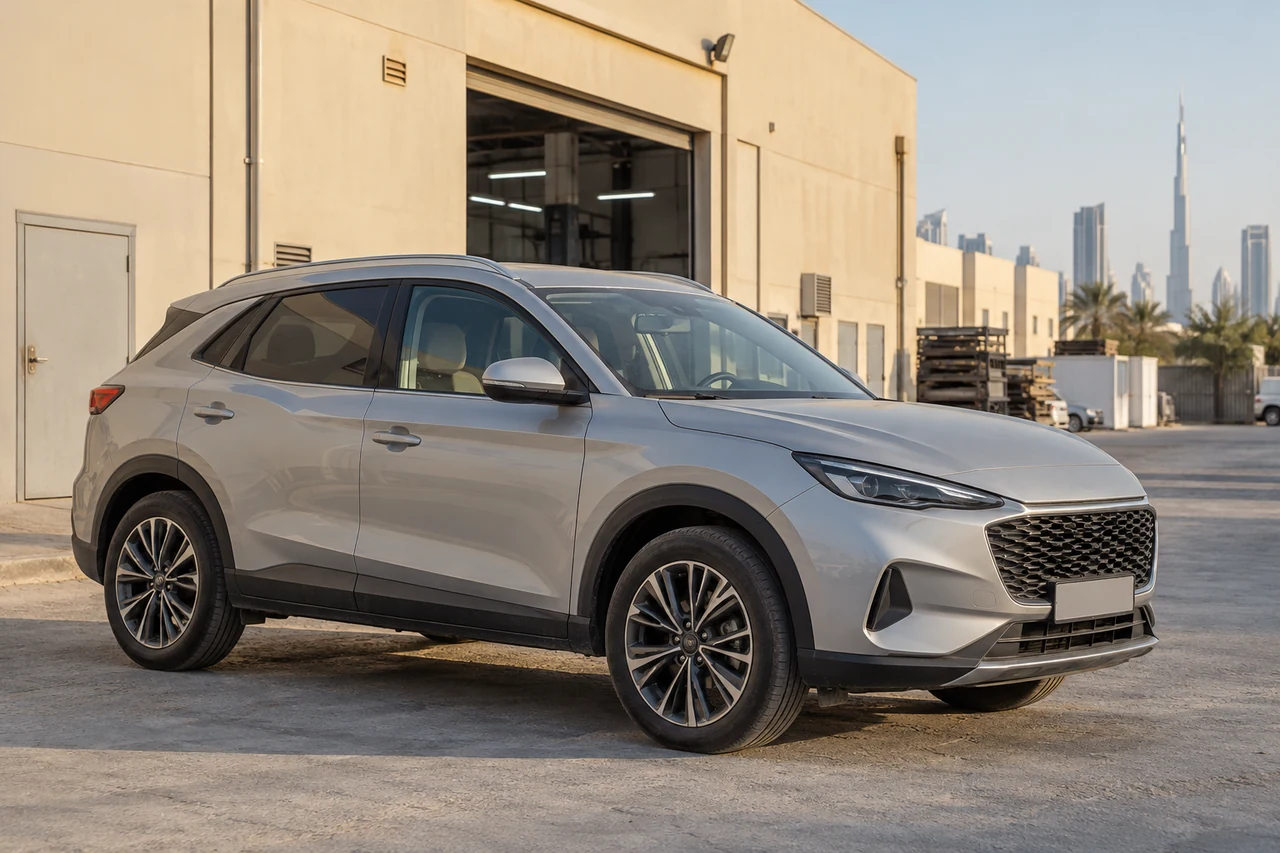
Side windows of a car showing automotive window film
Film selection starts with the vehicle glass and the panes to be covered.
VLTVisible light
TSERSolar heat rejection
Named filmProduct and shade

Budget with a defined scope

Car window tinting prices in Dubai

Use these Dubai market ranges to plan a budget, not as fixed Wrapping.ae offers. They cover broad product categories rather than identical SKUs. Your written quote confirms the named film, listed windows, installation, any old-film removal, and the total including applicable tax.

Side and rear glass budget guide
Film categorySedan estimateSUV estimateCompare before choosing
Dyed entry levelAED 350–550AED 450–700Product identity, fade cover and heat performance. A lower price does not establish equal TSER.
Carbon categoryAED 600–900AED 800–1,200Actual film construction, VLT and TSER. “Carbon” alone is not a complete specification.
Ceramic categoryAED 800–1,800AED 1,000–2,200Named series and shade, test-glass basis and regional warranty terms.
Higher specification optical filmAED 1,200–2,400AED 1,500–3,000Exact SKU and comparable performance data. Brand or tier alone cannot define the result.
Old-film removalAED 100–500AED 100–500Condition, adhesive and rear-screen access. Confirm whether it is included or additional.

Panoramic roofs, quarter glass, unusually large windows and difficult rear screens can change the total. Do not assume a package includes the windshield or sunroof. A front windshield is a separate suitability and regulatory question, not a standard add-on. The pane list should identify exactly what will be installed.

A “nano ceramic” package is not automatically a different material class from ceramic film. A 3M brand name can also cover several different series. Compare an identical vehicle, window list and named product rather than treating every brand label as a separate upgrade. Availability and the actual offered SKU are confirmed in the quote. Product availability and installation coverage are part of that confirmation.

Compare like for like

Compare the product behind the package

A useful film comparison identifies the manufacturer, series and shade code, then states the performance measurement conditions. Two films with the same visible shade can have different heat performance. Two films advertised with the same infrared figure may use different wavelength ranges or test methods.

01

Dyed and carbon products

These labels describe broad film approaches and are not interchangeable performance ratings. For a basic tint, compare usable visibility, color stability, adhesive quality and the written defect terms. Carbon wording does not by itself establish superior heat rejection or a particular warranty.

02

Ceramic products

Ceramic and nano ceramic wording covers many products. Request the exact series and shade, TSER and VLT values, and the glass used for testing. For comfort in Dubai, a documented whole-solar-energy measure is more useful than a headline infrared percentage without its method.

03

Optical and branded series

Multilayer optical film can reduce solar energy while allowing relatively more visible light, depending on the product. A well-known brand still needs a named series and shade. The invoice and supplied product description should allow the installed film to be identified later.

The quote should carry the product code, film shade, selected panes and warranty issuer. A manufacturer brochure is evidence of that product’s published specification, not proof that a workshop has the product in stock or is an authorized installer. Keep product selection and installation coverage clear so a later concern can be addressed.

Performance without vague percentages

Read heat rejection and light transmission together

The measures that answer different questions
MeasureWhat it describesHow to compare it
VLTVisible light transmission, expressed as a percentage. A lower result passes less visible light.Check whether it is film only or film tested on a specified glass. Assess the installed glass where relevant.
TSERTotal solar energy rejected by the tested glazing system.Compare the same glass basis and method. It is not a guaranteed cabin temperature reduction.
IRR or IRERInfrared rejection or infrared energy rejection under the manufacturer’s defined method.Read the wavelength range and method. Do not treat one narrow-band number as whole-solar heat rejection.
UV rejectionReduction of ultraviolet transmission under the stated test.Check the exact product data. It does not describe visible shade, TSER or the performance of untreated windows.
Visible reflectionThe proportion of visible light reflected under the stated test.Consider exterior appearance and reflections when driving after dark. It is distinct from VLT.

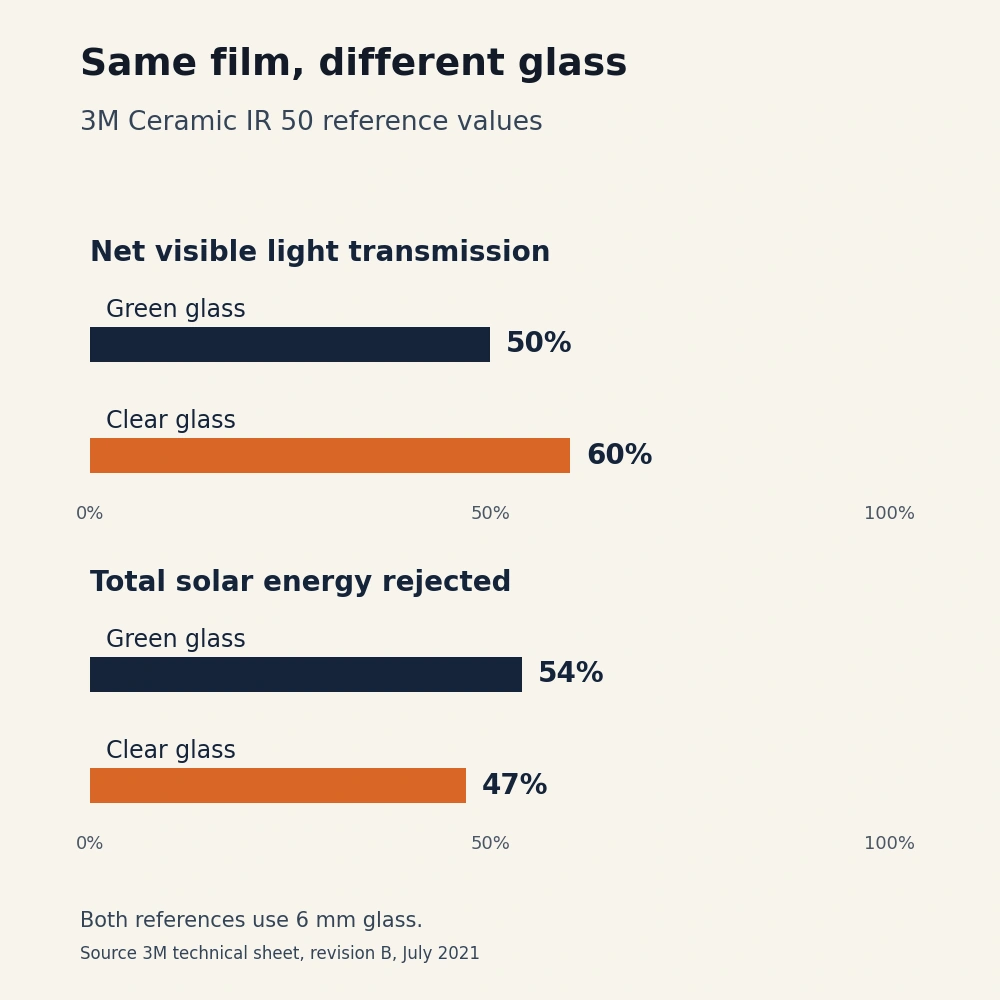
For example, the 3M Ceramic IR technical sheet, revision B, July 2021 reports the following values on 6 mm automotive green glass with 73% VLT. These are manufacturer reference examples, not a statement of local stock, a legal recommendation or an offered package.

Manufacturer example on the same reference glass
Named productVLT of tested systemTSER
3M Ceramic IR 5050%54%
3M Ceramic IR 7064%51%

The figures illustrate why a lighter tested result can still have substantial solar-energy rejection. They should not be multiplied again by the reference-glass VLT, and they do not predict your vehicle’s measurement. The same technical sheet lists different results on clear glass. Obtain the correct current regional product sheet for any film being quoted.

Measure the complete glazing

Film shade is not the final glass reading

70%Existing glass VLT
×
50%Film-only VLT
=
≈35%Combined estimate

Factory glass may already reduce visible light. Adding film normally reduces transmission further. An advertised shade, a film-only VLT and a measured glass-plus-film result are different descriptions. The quote must state which number is being used.

A film-only calculation example

70% glass VLT × 50% film-only VLT ≈ 35% combined VLT.

This simplified illustration estimates transmission through two layers. It is not a legal test or a substitute for measuring the installed glazing. Do not use it when a datasheet value already includes reference glass.

A factory privacy-glass rear window can look dark before any aftermarket film is fitted. Using the same film front and rear may therefore produce very different combined readings. Record the initial glazing condition and choose each pane group deliberately, rather than selecting a universal “50% tint” package.

Illustrative comparison of window film on different vehicle glass
Existing glass changes the combined light transmission.

VLT describes light transmission. The “percentage tinting” language in a regulatory statement should not automatically be equated with a film shade number or the inverse of a datasheet value. The applicable vehicle and pane requirements, and the method accepted by the relevant authority, need to be checked together. A meter reading and a product label answer different questions.

Check before choosing a shade

Confirm permission for each window

Before choosing a film, confirm the current requirement for your registration, vehicle category and each window. A shade name, heat-rejection figure or product labeled “50” does not establish that the finished glass is permitted. Assess the existing glazing and proposed film together.

  1. 01

    Side and rear windows

    Ask the relevant traffic authority which requirement and measurement method apply to these panes on your vehicle. Record the selected film and factory-glass details before fitting. Film-only VLT and a reading through installed glass are different values.

  2. 02

    Front windshield

    Keep windshield work outside the installation unless current official permission for the specific work has been established. A clear heat-control film, sun strip or manufacturer’s performance figure is not an approval. Confirm any permitted area, product limits and required exemption separately.

  3. 03

    Vehicle category

    Identify whether the vehicle is privately registered, a taxi, a heavy vehicle or another category. Do not transfer a passenger-car allowance to a different registration class. Check any exemption and its conditions with the relevant authority.

Get a current answer before fitting. For Dubai, use RTA’s official contact channels, including 800 9090, or Dubai Police. Describe the vehicle category, selected windows and proposed film, and retain the response or permit reference where applicable.

Put the approved windows and any exclusions on the quotation. If permission for a pane or vehicle cannot be established, leave that work out. This check does not replace an official decision or guarantee a vehicle-inspection result.

Prepare the glass properly

Old film and rear screen removal

Peeling edges, haze, trapped contamination and failing adhesive can make a replacement more useful than covering the existing layer. Film laid over old film adds another variable to light transmission and appearance. The removal scope belongs in the estimate before installation begins.

  1. 01

    Assess the existing layer

    Identify which panes are already filmed and whether the film is brittle, bubbling or leaving adhesive. Check factory privacy glass separately from an applied film. The glass condition and visible scratches should be recorded before work.

  2. 02

    Protect rear screen equipment

    Heated rear-screen lines and printed antennas require care during removal. Existing damage or heavily bonded adhesive can complicate access. The estimate should identify the risk, removal method and any checks rather than guaranteeing that every old installation can be removed without consequence.

  3. 03

    Price the complete replacement

    List removal, adhesive cleanup and the new film as included or separate charges. A cheap new-film price is not the full job when several panes need stripping. If the surface cannot be prepared suitably, resolve that before a new layer is fitted.

Window-film removal is not a full cabin detail. If the interior needs broader cleaning, car detailing can be discussed as a separate service. Keep the tint estimate focused on the listed glass so another service does not obscure the film and fitting total.

A defined installation visit

Installation timing and collection checks

Turnaround depends on the pane count, old-film removal, vehicle access and workshop schedule. A straightforward installation is different from a rear screen with stubborn adhesive or a panoramic roof. The booking confirms the work slot and collection estimate. Drying and curing continue after collection and are separate from workshop fitting time.

  1. 01

    Agree the film and panes

    Confirm the named film, shade and selected windows. Assess existing glass and the applicable requirements before cutting. The price should identify optional roof glass and any removal charge, with no unlisted windshield inclusion.

  2. 02

    Prepare and install

    Suitable preparation removes adhesive and contamination from the working surfaces. Access, seals and surrounding trim need protection. Film is fitted to the agreed panes, with the finish and edge placement assessed against the product and installation requirements.

  3. 03

    Check and hand over

    At collection, review edges, visible contamination, defects and the treated-window list. Ask about early drying appearance, permitted cleaning and when windows can be lowered. Receive the invoice, product identity and written warranty terms for the installation.

The product and local conditions determine curing advice; this page does not assign one universal number of days. Temporary moisture haze and a persistent installation defect are different concerns. Follow the supplied instructions and contact the workshop if the appearance does not settle as advised. Do not pick at edges or apply an aggressive cleaner to troubleshoot it yourself.

Choose for daily driving

Comfort needs clear outward visibility

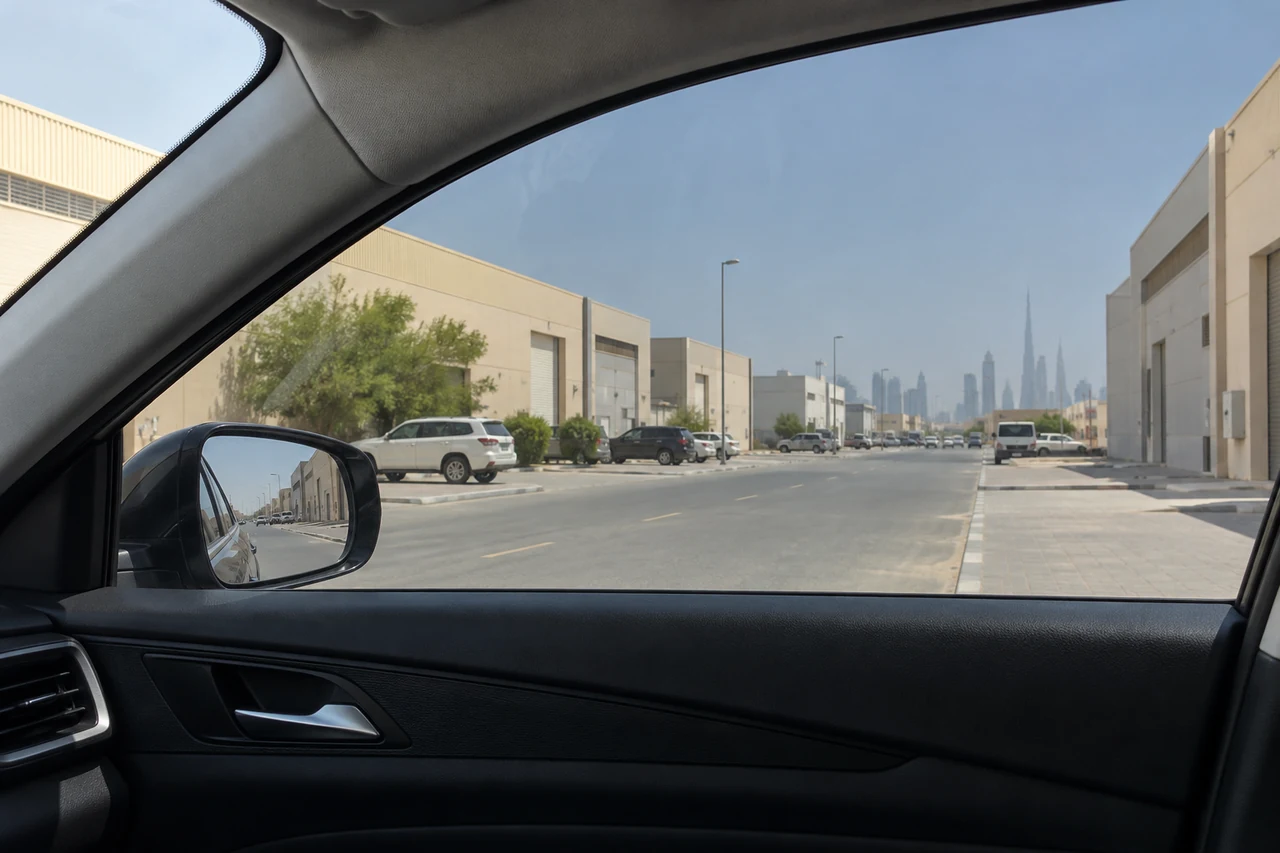
View outward through a vehicle side window with window film
Evaluate outward visibility in the conditions in which you drive.

Darker film can affect how much you can see through a window after sunset, in shaded parking areas and during dusty or wet conditions. A shade that looks acceptable in bright daylight may be unsuitable for frequent night driving. Heat performance should be compared alongside usable light transmission, not by selecting the darkest appearance.

Assess the car from the driver’s position and consider mirrors, reversing and poorly lit routes. Existing rear privacy glass deserves particular attention. A higher-transmission film with documented heat performance may fit your priorities better than a darker product, subject to the applicable requirements.

Tint does not remove every source of heat. Parked-car exposure, untreated glass, the roof and the air-conditioning system still influence cabin comfort. TSER describes the tested glazing system; it is not a promised temperature drop, fuel-saving figure or substitute for a working AC system.

Written regional terms

Know who covers the film and the fitting

A manufacturer film warranty and a workshop installation warranty are different commitments. The UAE warranty document for the actual product should identify the issuer, duration, covered defects, vehicle or owner conditions, and how a claim is made. A warranty from another country does not establish local cover.

01

Film cover

Confirm the exact series and shade and which defects are covered, such as product discoloration or delamination where included in the terms. A brochure’s headline number is insufficient without the regional document and proof of the installed product.

02

Installation cover

Check how fit, edges, contamination or installation defects are assessed and remedied. Removal damage, pre-existing glass faults, misuse and cleaning damage need clear treatment. No blanket “lifetime” installation promise is made on this page.

03

Records for a claim

Keep the invoice, fitted-pane list, product code and warranty document. If a warranty needs registration, the handover should explain who completes it and how it is confirmed. Contact the workshop before another installer removes the film if you want a defect assessed.

The written quote confirms the duration and available regional product cover and workmanship terms before approval. That is also where the actual stock, installation slot and final package price are established.

Car window tinting FAQs

How much does car window tinting cost in Dubai?

The market guide starts around AED 350–550 for a sedan with an entry-level dyed product. Ceramic sedan estimates span about AED 800–1,800. Named film, vehicle size, panes and removal affect the final total. These are budget estimates, not fixed Wrapping.ae offers.

Is 50% tint the same as 50% VLT?

No. A tinting percentage, film shade and measured glass-plus-film VLT can describe different things. Check the definition, existing glass, product data and applicable requirement before choosing.

Can I tint the front windshield?

Windshield film is not included unless current official permission for your vehicle and the proposed work has been established. A clear film or a sun strip is not automatically permitted. Ask the relevant traffic authority about any exemption and record its conditions before fitting.

Is ceramic always better than carbon film?

The labels alone do not answer that. Compare the actual series and shade, TSER, VLT, test-glass basis and regional warranty at the quoted price.

Does a 99% infrared claim mean 99% heat rejection?

No. Infrared measurements may cover a defined wavelength range or method. TSER describes total solar energy rejected under the stated test. Compare the product sheet rather than treating the figures as interchangeable.

Is old-film removal included?

Only when listed in the quote. The guide allows AED 100–500 as a market removal estimate, but film condition, adhesive and rear-screen equipment can change the work.

When can I lower the windows after tinting?

Follow the instructions for the installed film and conditions. Fitting time and curing time are separate. The handover should confirm when windows can be lowered and how to clean the film.

What warranty will I receive?

The quote and handover identify the regional product warranty and workshop workmanship terms, including duration and claim route. A foreign brochure or an unspecified lifetime statement does not establish UAE cover.

Ready when you are

Get a window tint quote for your car

Tell us the car model, the windows you want covered and whether old film needs replacing. We can discuss a suitable inspection and product specification, then confirm the scope and written total before you book.

Wrapping.ae · AMF Auto Services LLC
39, Al Quoz, Dubai, United Arab Emirates
Contact and workshop information
Call the workshopWhatsApp us
Scroll to Top