
Refresh the original color
Silver, gray or black can retain a familiar look. Compare a sample with the other wheels because age and previous refinishing can affect the match.
AMF Auto Services LLC · Al Quoz · Dubai
Scuffed rims or a finish you want to change? Refresh suitable wheels with assessed cosmetic repair and a paint finish chosen for your car.
Previously published cosmetic repair estimates start at AED 150 per wheel. Cracks, bends, vibration or air loss need a safety assessment before any refinishing.
Send your model, year and clear photos. Agree the work and written total before you book.
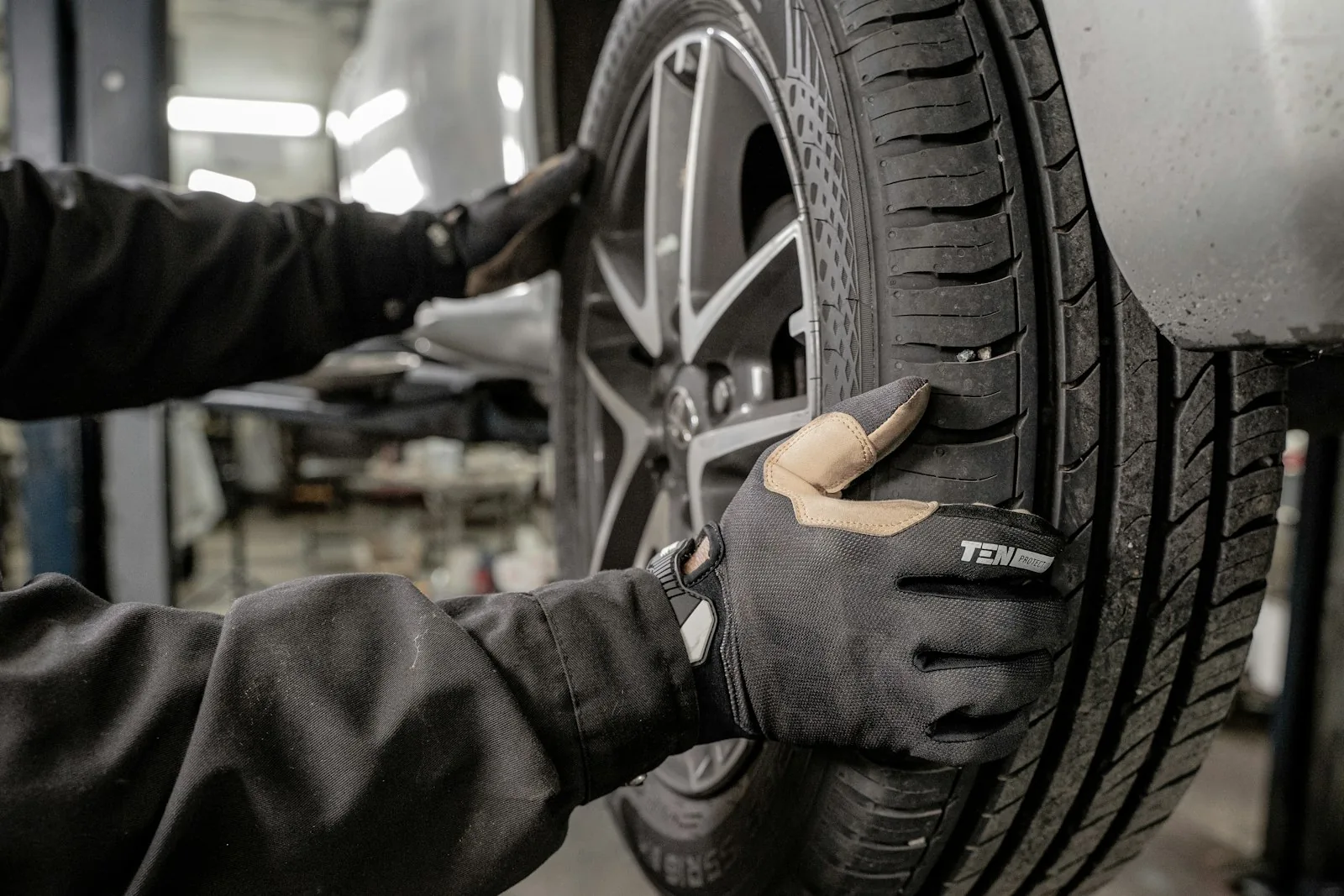
Check the wheel before the color
| What you notice | The appropriate next step |
|---|---|
| Light surface scuffs or chipped paint | Assess the depth and existing finish. Cosmetic refinishing may be suitable when the wheel is sound and the manufacturer permits it. |
| Cracks or damage around spokes and bolt seats | Stop using the affected wheel and arrange professional assessment and replacement. Paint, filler or a weld is not a cosmetic solution. |
| Damage at the bead seat, mounting face or fastener holes | Do not cover or fill these load-bearing areas for appearance. Refer the wheel for a manufacturer-guided assessment and replace it if the maker’s criteria are not met. |
| Bent flange, impact damage or deep corrosion | Do not book painting as the remedy. Inspect the wheel and tire against the manufacturer’s rejection criteria before deciding on replacement. |
| Repeated pressure loss or vibration | Find the cause first. Tire damage, a valve leak, wheel deformation or another fault can require work beyond refinishing. |
If a wheel is visibly cracked, the tire will not hold pressure, or the car vibrates strongly, stop driving when safe and arrange assistance. A photo can help plan the visit, but it cannot establish that the wheel is safe.
Wheel manufacturer instructions take priority. RONAL’s repair guidance, for example, requires replacement of cracked wheels and prohibits structural repair by welding or heat forming. Cracked wheels are outside this cosmetic service. Replacement is the appropriate route under the cited wheel maker guidance.
A useful starting budget
These are estimates previously published on this page, not confirmed current packages. Each figure is per wheel. Send the wheel size and finish for a current written quote.
A small local scuff repair is different from stripping and refinishing a complete wheel. Compare the work included, not just the headline price.
| Cosmetic work | Previous estimate | Confirm before booking |
|---|---|---|
| Minor scratches and scuffs | AED 150–300 | Damage area, preparation, color match and painted finish |
| Wheel polishing | AED 100–250 | Finish compatibility and the area treated. Polishing is not a paint package. |
| Full cosmetic refurbishment | AED 500–1,200 | Stripping, preparation, paint system, visible face or full barrel, and tire handling |
| Paint-only color change | Written quote | Wheel count and diameter, original finish, selected color and sheen, prep, tire handling and curing |
A small face scuff can be assessed for a local repair, but the blend may remain visible beside an aged finish. A complete repaint changes more of the surface and needs its own preparation and curing plan. If all four wheels have faded or different previous repairs, ask to compare a single wheel with a coordinated set.
Start with the number and diameter of wheels, the existing finish, and the result you want. The quote should state the price for each wheel, the combined total, any tire and TPMS work, and when the vehicle or loose wheels can be collected. Ask for one total for all four wheels; the earlier per-wheel guide does not include a set discount.
The VAT basis of the earlier estimates was not recorded. Your current quote should name the wheel size and covered surfaces, state whether tire work and balancing are included, itemize applicable 5% VAT, and show one final payable AED total. Structural repair is not part of these cosmetic ranges. No discount is included.
Choose the result you want
Silver, gray or black can retain a familiar look. Compare a sample with the other wheels because age and previous refinishing can affect the match.
Discuss gloss, satin or matte paint and confirm the color code. A set of wheels usually needs one agreed sample to keep the result consistent.
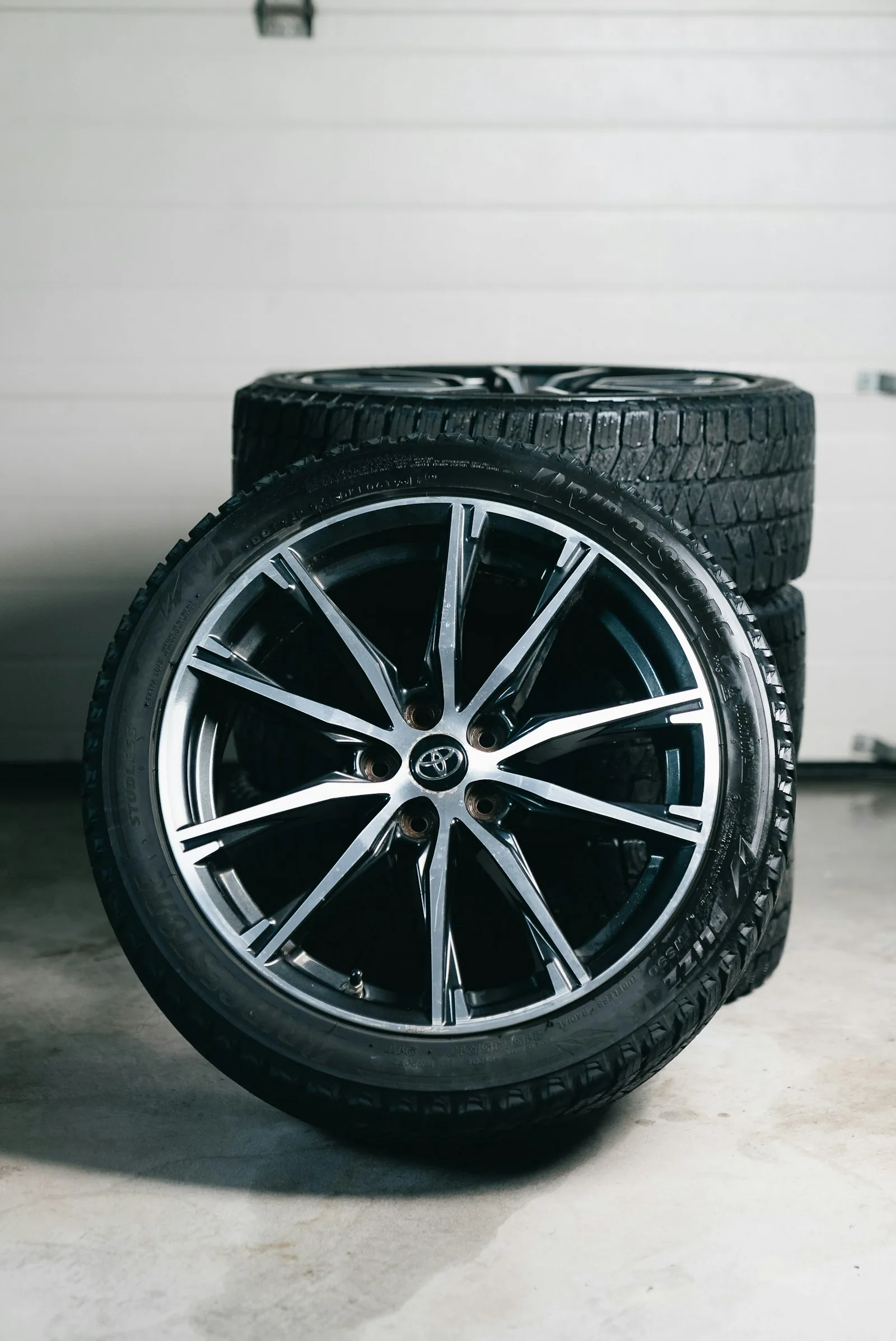
Diamond-cut faces, polished metal and chrome plating are different finishes. Do not assume ordinary paint recreates them or that another machining pass is permitted.
Look beyond the color
A two-tone wheel can combine painted pockets with a machined face. Painting the whole face changes that appearance. Ask whether the plan preserves the existing finish or converts it to paint.
Powder coating, wet paint and machining are separate processes. Suitability comes from the wheel maker’s requirements, not a claim that one finish is always stronger.
Look at the color and sheen in daylight and shade. A fresh silver or black can still look different from the three older wheels. Decide whether the goal is a close match to the existing set or a deliberate new color across all wheels.
Expect an agreed painted surface, not a straightened wheel or a recreated machined face. Ask how center caps, valve stems, weights and tire edges will be handled so the final appearance matches the quoted coverage.
Coordinating wheels with bodywork? Explore car painting or chrome delete finishes without treating those as wheel repairs.
Know what is being refinished
The same scuff can need different preparation on steel, cast alloy and forged alloy. Identify the wheel, existing finish and manufacturer limits before agreeing to stripping, filling, paint or powder coating.

A full-wheel view, close-up of the affected area and any inner-wheel markings help the team plan an inspection. Photos cannot confirm structural safety.
Match the method to the wheel
Check the depth of rust and the condition of the existing coating. Deep metal loss needs assessment before any cosmetic finish.
Identify painted, polished or machined areas. The wheel maker may limit filling, material removal and where paint can be applied.
Check the maker’s preparation and coating restrictions. Heat, stripping and filler should not be approved from appearance alone.
Prior work matters
Uncertain repair history may change whether cosmetic work is suitable. Agree the next step after inspection, not from a color sample.
Do not paint over a fault
Surface staining and deep corrosion are different. Paint cannot restore missing metal or make a damaged mounting area sound. If the tire loses air after an impact, check the tire, valve, bead seat and wheel shape first.
If replacement is needed, confirm the vehicle-approved diameter, width, offset, bolt pattern and load rating. A matching color is not a fitment check.
From assessment to collection
Record the wheel size, damage, previous repairs and requested finish. If the tire loses air, the wheel wobbles, or an impact is reported, inspect the wheel and tire before any paint decision. Confirm suitability, the number of wheels and the written total.
Prepare only the surfaces that the wheel maker permits. Agree whether existing paint is locally feathered or removed for a complete repaint, then match the approved color and finish. Protect mounting faces, fastener seats, tire bead seats and other areas that must not receive coating.
Allow the selected paint system to cure before handling and washing. Where tires are removed, confirm valve and TPMS protection, refitting, balancing, pressure and leak checks. Wheel fasteners must be tightened to the vehicle specification. Inspect the visible finish with the customer against the agreed sample and coverage.
Preparation, color matching and curing determine downtime. A touch-up and four complete wheel refinishes need different schedules. Ask whether the car must remain at the workshop and when normal washing can resume.
Keep the new finish looking good
Follow the paint system’s curing and cleaning instructions. Let the wheels cool before cleaning and use compatible products and soft tools. Refinishing does not prevent curb damage or eliminate brake dust.
Ask for any workmanship warranty in writing, including its duration, covered finish defects and exclusions. Cosmetic coverage is not a structural warranty or a promise against impacts, corrosion returning or chemical damage.
Before you book
Painting does not repair a crack. Remove the affected wheel from service and have it assessed for replacement. The wheel maker’s instructions govern the decision.
The guide prices above are per wheel. Request a separate total for a set and confirm whether tire removal, refitting and balancing are included.
Ask for a finish assessment first. Painting changes the appearance of a machined or plated surface. It does not recreate diamond cutting or chrome plating, and machining may be prohibited by the wheel manufacturer.
An exact match cannot be assumed. Existing wear, paint history, color and sheen affect the result. Agree a sample and discuss whether refinishing the set would produce a more consistent appearance.
No. Any stripping and curing process must meet the wheel manufacturer’s material and temperature restrictions. Confirm the permitted method before selecting a finish.
Not automatically. Ask whether removal, refitting, balancing and valve or sensor handling are included. A damaged tire, faulty sensor or replacement valve needs its own approval and price.
A local scuff repair treats a limited sound area and may show a blend beside an aged coating. A full repaint involves the agreed wheel surfaces and more preparation and curing. Neither is suitable until impact damage, air loss or a suspected crack has been assessed.
Choose based on the condition and finish of the other wheels. A single local repair may leave a visible color or sheen difference. If the whole set is worn or you want a new color, request a set quote and approve one finish sample first.
Do not assume paint or filler will fix it. The tire, valve, bead seat and wheel shape need inspection. If pressure is falling or the car vibrates strongly, stop driving when safe and arrange assistance.
Collection depends on inspection, preparation, curing and the number of wheels. Ask for the expected schedule with your quote and tell us if you are supplying loose wheels.
Talk to our Al Quoz team
Send a full-wheel photo, close-ups of each damaged area, wheel size and your preferred finish. Mention air loss or vibration so the team can prioritize an inspection.