
Finishes for selected cabin trim
Car Interior Wrap Ideas
Satin gives suitable trim a quieter look, carbon-look film adds pattern, and brushed-metal or woodgrain finishes create a different cabin mood. Choose the finish beside your existing upholstery, then decide which sound decorative pieces to change.
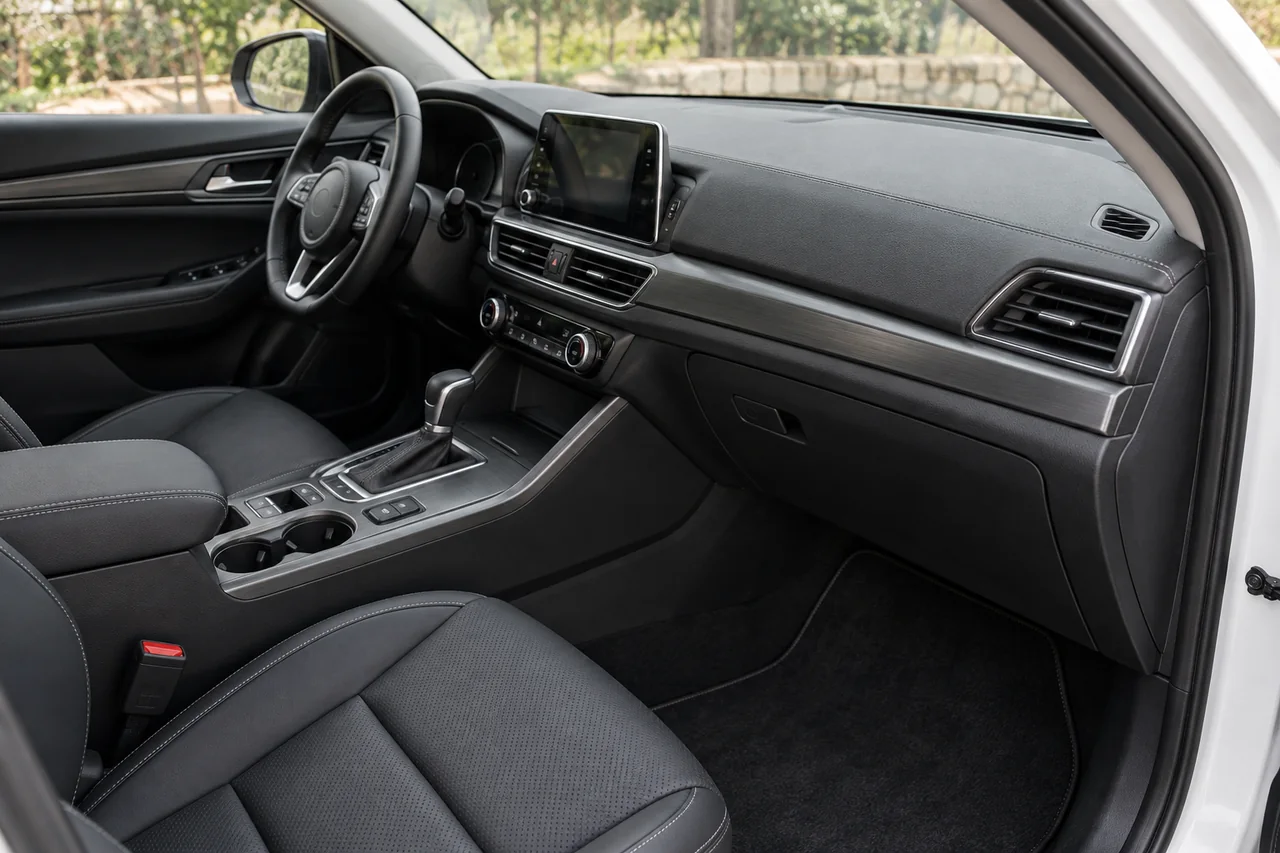
Choose the cabin mood before the color
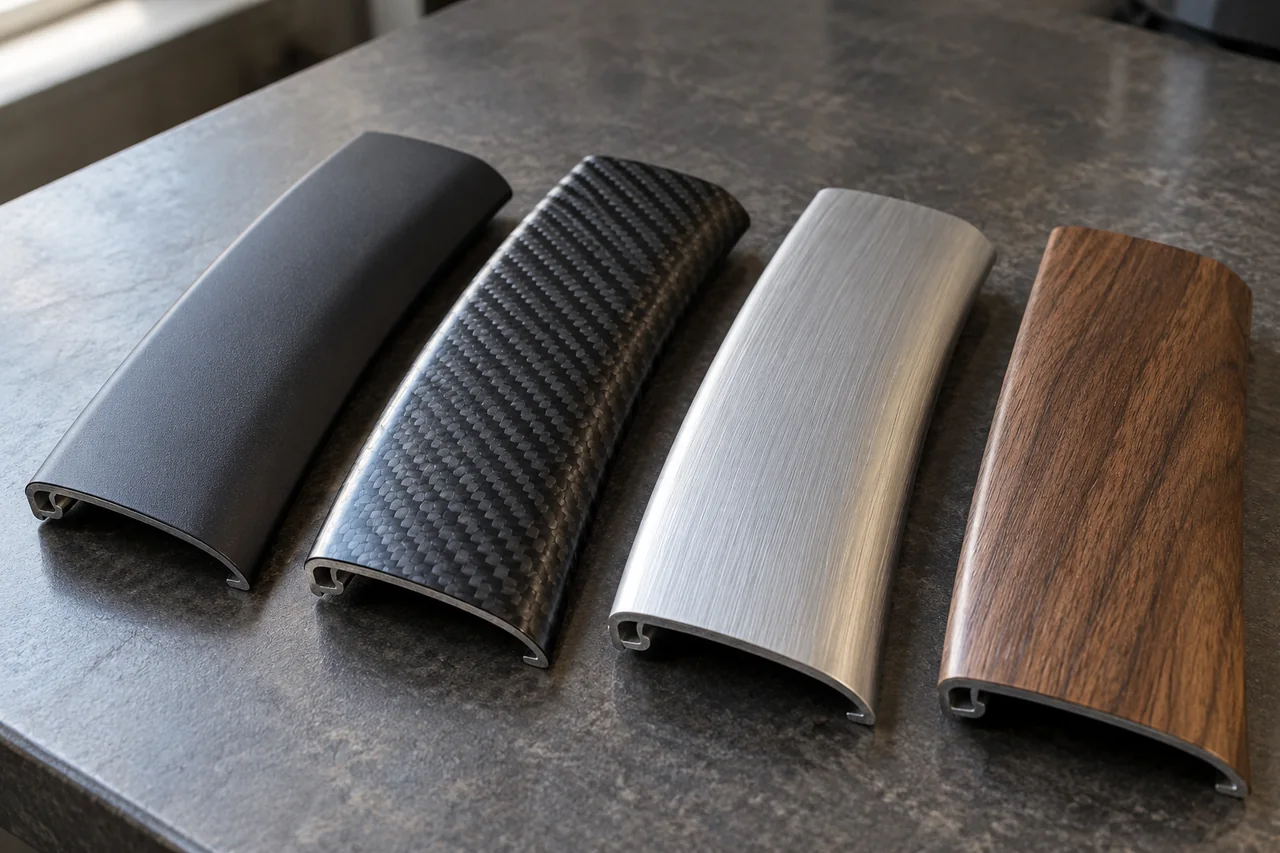
Start with the seats, dashboard and fittings that will remain. Black leather, beige upholstery, bright metal and existing wood create different backgrounds. The new film should relate to those materials rather than compete with every surface.
A dark satin console can soften the contrast beside black seats. Brushed silver creates a clearer boundary against dark plastic. Warm woodgrain can connect with tan upholstery, while a carbon weave introduces a more technical pattern.
Compare these finishes against your cabin and the way you use the car. A finish that looks good in a photograph may feel too bright or too busy when viewed from the driving seat.
| Finish | Appearance and useful placement |
|---|---|
| Matte or satin | A subdued solid color for compatible console surrounds, dashboard inserts or door strips. Compare reflections and touch marks on the sample. |
| Carbon-look | A repeating weave or broken forged effect for a sporty accent. Pattern size and direction matter on small curved pieces. |
| Brushed-metal look | Parallel grain gives trim a defined direction. Muted silver or charcoal can connect with retained metal details. |
| Woodgrain | A warmer pattern that can suit tan, beige or brown upholstery. Compare grain direction and the existing wood before mixing finishes. |
| Gloss or color accent | A stronger reflection or color contrast on a limited decorative area. Inspect it from the driving position before increasing coverage. |
Matte and satin suit a quieter interior
Matte and satin are related choices, but they do not look identical. Matte usually gives a flatter appearance. Satin retains a softer sheen that helps define the shape of a curved trim piece.
Charcoal can sit comfortably between black seats and lighter stitching. A neutral grey may reveal the console shape without introducing a bright color. Compare it beside the original black rather than assuming all blacks match.
Low sheen does not mean invisible dirt or fingerprints. Some matte films show handling marks clearly. A textured sample may disguise a mark at one angle and make it more visible at another.
Avoid choosing matte solely because you want a cooler cabin. A subdued reflection is an appearance property, not evidence that the film lowers interior temperature. Keep the decision focused on color, glare from the actual piece and everyday care.
Carbon-look patterns add a sporting accent
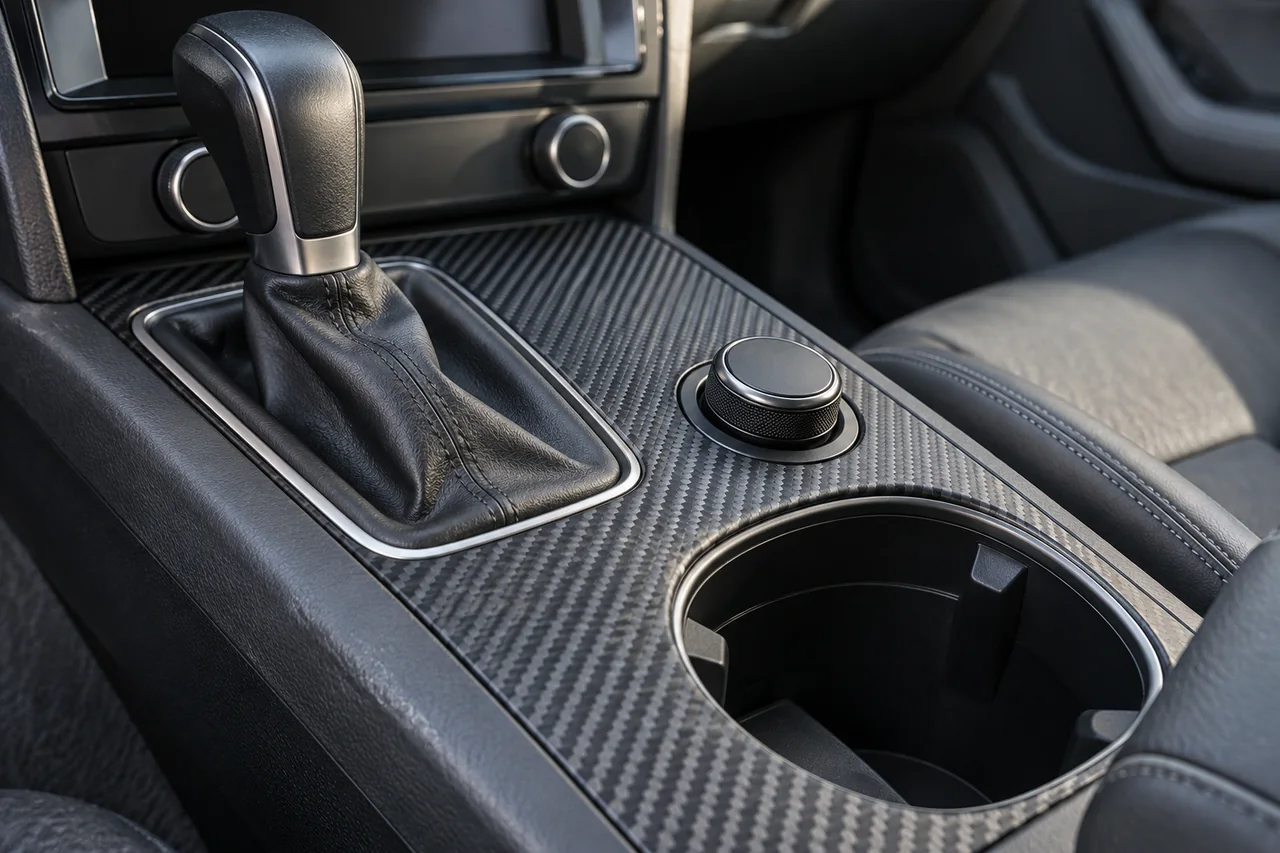
A woven carbon effect can give a small console or door insert a more technical appearance. It changes the surface pattern while retaining the original part underneath. It does not create a structural carbon-fiber component or reduce the car’s weight.
Look at pattern scale first. A large weave can dominate a narrow strip, especially when only a few repeats fit across it. A finer pattern may read more evenly across small cabin pieces.
Regular woven patterns have a clear direction. Decide how that direction should flow across neighboring inserts and around the console. A pair of door strips should look intentionally related when viewed from inside the car.
Forged-carbon effects use an irregular, broken pattern instead of a regular weave. The effect can be striking, but a busy design across every surface may compete with stitching, ambient lighting and existing textures.
Gloss, physical texture and printed pattern are separate properties. Names such as 3D, 4D or 5D do not establish one universal material specification. Compare the actual film rather than treating the largest number as the best choice.
For wider panel and material comparisons, our carbon-look wrap page explains the difference between decorative vinyl and other carbon-related options. Keep this cabin choice tied to the pieces you will see at close range.
Brushed finishes give trim a clear direction
Brushed-metal vinyl creates the appearance of parallel metal grain. Silver can brighten a dark console, while graphite or charcoal gives a more restrained contrast. The film changes the appearance without turning the plastic part into metal.
Compare the new finish beside the car’s existing bright fittings. A cool silver sample may look different beside warm chrome or a champagne-colored accent. Matching the overall tone can matter more than choosing the brightest sample.
The grain is part of the design. Across a dashboard strip, horizontal lines may emphasize its width. On a console, a different orientation changes how the eye follows the panel. Adjacent pieces need a coordinated plan.
Brushed effects can be visually subtle in diffuse light and much more obvious under a direct light source. Examine the sample from the seat as well as in your hand. The apparent grain and sheen change with the viewing angle.
A brushed texture is not a guarantee against scratches or fingerprints. Choose it because you like its grain and contrast.
Woodgrain works best with a coordinated palette
Woodgrain brings a warmer visual tone than silver metal or a black weave. Medium brown can connect with tan seats, while a darker grain can work beside black upholstery. The right choice depends on the materials already in the cabin.
Compare the grain scale against the size of the trim. A narrow door strip may reveal only a small portion of a large pattern. Broad markings that look convincing on a sample can appear chopped up around switches or curves.
If factory wood will remain, bring the sample beside it. Color, grain, sheen and pattern depth all affect the relationship. A decorative film should not be expected to match an existing veneered or lacquered part exactly.
Choosing a deliberate contrast can be more successful than an almost-match. For example, a muted dark finish on selected pieces can leave the original wood as the main feature instead of adding a second competing wood pattern.
Woodgrain film is still a decorative covering. It cannot stabilize lifting veneer or repair cracked lacquer underneath. Those conditions need attention before a suitable finish is chosen for the sound surface.
Use gloss and color on selected accents
Gloss creates a stronger reflected highlight than a subdued finish. A small decorative strip can define the shape of the console without making every visible surface reflective. Inspect whether the reflection is distracting from your normal driving position.
Piano-black styling can look cohesive beside existing black fittings, but touch marks and fine scratches may become noticeable. Choose it with your cleaning routine in mind rather than assuming a dark color will conceal everything.
A restrained color accent can pick up the seat stitching or an existing cabin detail. Repeat that color sparingly. It does not need to cover the dashboard, every door and the console to look intentional.
Ambient lighting changes how colors appear at night. Compare a sample with the car’s normal lighting settings before committing to a metallic or bright color. A combination that works in daylight may feel much stronger after dark.
Keep the styling plan on suitable decorative trim rather than extending it across nearby controls.
Build one theme across suitable trim pieces
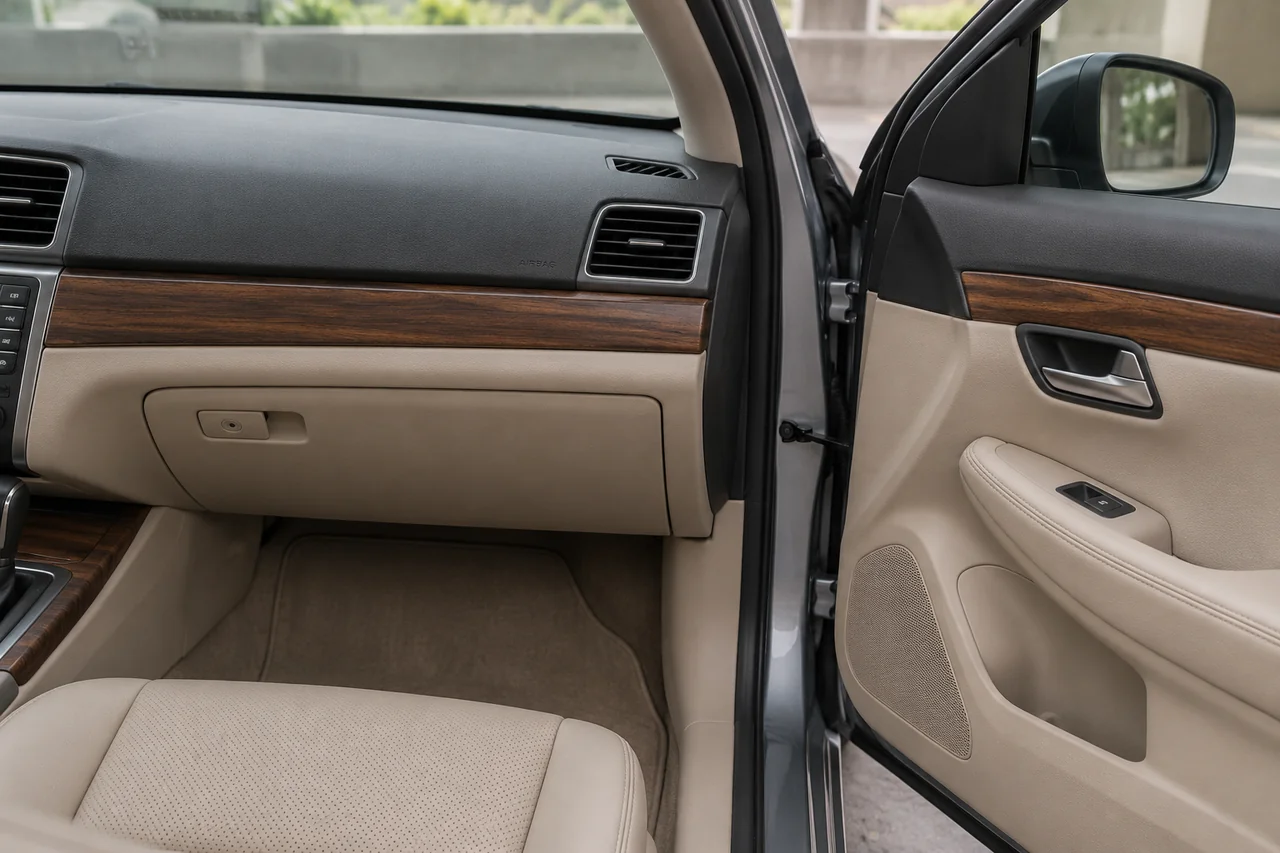
Plan the appearance as a group before choosing individual pieces. Start with the fixed cabin palette, choose one main finish, select the compatible trim and inspect a sample in the parked car. This keeps the design connected to the interior.
One console surround can be a useful starting point when you are uncertain about a large change. It gives the eye a clear focal point without requiring every existing finish to be replaced.
Adding two matching front-door inserts can repeat the theme across the driver and passenger sides. Four-door cars may have separate rear inserts, but those are additional pieces rather than an automatic part of the same job.
A photograph of another vehicle can communicate a mood, but its panel shapes and materials may differ from yours. Use it as a design reference. The final piece selection should follow the actual layout of your car.
Separate sound trim from repair and upholstery
Suitable interior wrapping starts with a stable, compatible surface. Smooth decorative inserts may be candidates, but the word plastic alone does not establish adhesion. Some plastics and coatings are unsuitable for a particular film.
Avery Dennison’s SW900 data sheet identifies unsuitable surfaces, including low-surface-energy substrates and surfaces that are not clean and smooth. A premium exterior film is not automatically appropriate for every cabin component.
Sticky soft-touch paint, peeling lacquer and cracked trim need a repair decision first. Film follows the surface beneath it. A different color can conceal some visual variation, but it cannot rebuild a broken part or make a loose coating stable.
Seats, padded armrests, fabric, leather and suede-like upholstery need their own treatment. A leather-look decorative film on hard trim is different from retrimming a seat. Stretching ordinary wrap film across upholstery is not the same service.
Keep airbags, deployment seams and deployment areas outside the cosmetic plan. The vehicle’s own instructions govern those boundaries. Hyundai’s airbag guidance, for example, warns against placing stickers over or near airbag modules.
Screens, sensors, vents, speakers, warning labels and moving controls must remain clear. A trim piece that looks removable can share clips or electronics with another assembly. The fitting method should respect that construction.
Choose material for the actual cabin application
Dubai use makes exposure and daily contact relevant to the choice. A decorative dashboard insert near the windshield experiences different conditions from a shaded door strip. Treat them as distinct locations when selecting the material and fitting approach.
Film thickness alone does not establish heat tolerance or suitability. The adhesive, underlying finish, shape and installation all affect the result. A thicker sample is not automatically better for a tight return edge or complex curve.
Nor does a matte, satin or textured appearance prove heat rejection or protection for the whole dashboard. Interior trim film changes the covered surface. It should not be presented as an alternative to managing sunlight exposure or cabin comfort.
3M’s 2080 bulletin relates performance to the substrate, surface texture, installation, exposure and maintenance. The same finish can therefore perform differently when the underlying surface or fitting conditions change.
The manufacturer’s product coverage and the installer’s fitting support are separate. An advertised exterior lifespan or vertical-panel warranty does not automatically apply to interior trim. Keep any agreed cabin coverage with the quotation and care instructions.
View a sample where it will be fitted
Examine a physical sample inside the parked car, beside the upholstery and retained trim. Phone photographs and monitor settings can change the apparent color. A sample helps judge tone and sheen, although it cannot show the complete finished panel.
Look from the normal seated position, then from the passenger side. Check daylight and the cabin’s usual lighting. Pay particular attention to a strong reflection that reaches the windshield or draws attention near the instrument display.
On a patterned sample, compare both possible orientations. Rotating a directional film can change its appearance. A narrow dashboard strip may need a different layout from a broad console, even when the same finish is used.
Your preferred appearance should fit ordinary ownership as well as the first photograph.
| Check | What to compare | Reason to reject a sample |
|---|---|---|
| Seated view | Reflections beside screens and toward the windshield | A distracting highlight from the driver's position |
| Retained materials | Seat color, stitching, original wood and metal | An unintended near-match or competing pattern |
| Pattern scale | Enough of the weave or grain on the actual piece | A large repeat chopped into an awkward fragment |
| Lighting | Daylight and the cabin's normal evening lighting | A color or sheen you dislike in regular use |
Include edges and openings in the design
View the chosen pattern across the piece's returns, openings and adjoining trim. A stretched weave or abrupt grain change can spoil a good color match. Agree visible joins and boundaries against the actual part.
Keep the styling on suitable decorative pieces. Airbag areas, labels, controls and moving openings stay outside the cosmetic plan. Our interior wrap service covers surface assessment and fitting scope.
Keep the finish consistent through everyday use
Use the installed film’s care instructions and a soft, clean cloth. Keep abrasive polish and improvised solvents away from the finish. The surrounding original plastic and the new film may require different products.
Apply an approved cleaner in a controlled way rather than flooding a console with liquid. Avoid pushing moisture into switches, seams or openings. Let stubborn marks be assessed instead of scrubbing until the surface becomes shinier.
Report a lifting corner before picking at it or attempting a heat repair. A damaged piece may be replaceable, but a later film batch, existing wear or a discontinued finish can make an exact match difficult.
Removal depends on the film and the original finish. Weak lacquer, earlier repairs or aging coatings can lift or leave residue. A removable adhesive is not a damage-free promise for every interior part.
If you plan to return a leased car to its original appearance, agree the modification and return requirements before fitting. Keep photographs of the original trim and retain the film details so a later change can be planned sensibly.
Turn the idea into a clear trim selection
A useful brief can be short. Name the vehicle, describe the cabin mood and identify the pieces you want changed. Add a daylight cabin photograph and a closer view of any worn or previously repaired trim.
Our interior wrapping page covers service options and price guidance. Use this guide to narrow the finish first, then discuss suitable pieces and the fitted scope with the Al Quoz team.
Common questions about interior wrap ideas
Can I mix carbon-look and woodgrain?
You can compare the combination, but both patterns can compete visually. Keep one as the main finish and the other on a limited area to judge the relationship. View the samples together in the cabin.
Should the interior wrap match the exterior color?
It does not have to. Upholstery, stitching and retained trim are closer visual references. A small exterior-color accent may connect the design, while a contrasting neutral finish can work independently.
Will a sample show exactly how the finished console looks?
It helps judge color, texture and sheen. A larger curved panel changes the viewing angle and pattern coverage. Use the sample alongside the proposed piece and discuss the orientation and finishing boundaries.
Can I keep the original chrome around a new finish?
Often it can remain part of the design when the selected trim and fitting method allow it. Leaving an original border can give the new film a clear boundary. The actual part determines what can be separated safely.
Is clear protection an alternative to changing the trim color?
If you like the existing finish, a compatible protective film may be worth assessing for suitable surfaces. It serves a different purpose from decorative color vinyl. Neither option repairs a failing coating underneath.
Do all plastics accept the same wrap film?
No. Plastic type, surface texture, coatings and condition affect suitability. A product recommended for sound painted panels may not be recommended for an unpainted or low-surface-energy cabin part.
Can wrapping make worn seats match the new trim?
Seat color and condition require upholstery or restoration assessment. Decorative film on hard trim does not replace that work. Coordinate the visual palette, but treat the surfaces as separate materials.
Does changing the cabin finish increase resale value?
There is no guaranteed increase. Buyers have different preferences, and the original condition and removal risks matter. A restrained design may suit your ownership needs without providing a measurable resale benefit.
Plan your cabin finish
Discuss the trim you want to change
Send your vehicle model, cabin photographs and preferred finish. Wrapping.ae at AMF Auto Services LLC in Al Quoz can discuss suitable pieces and a fitted quotation.