
Remove tired film and plan a fresh finish
PPF Removal and Replacement in Dubai
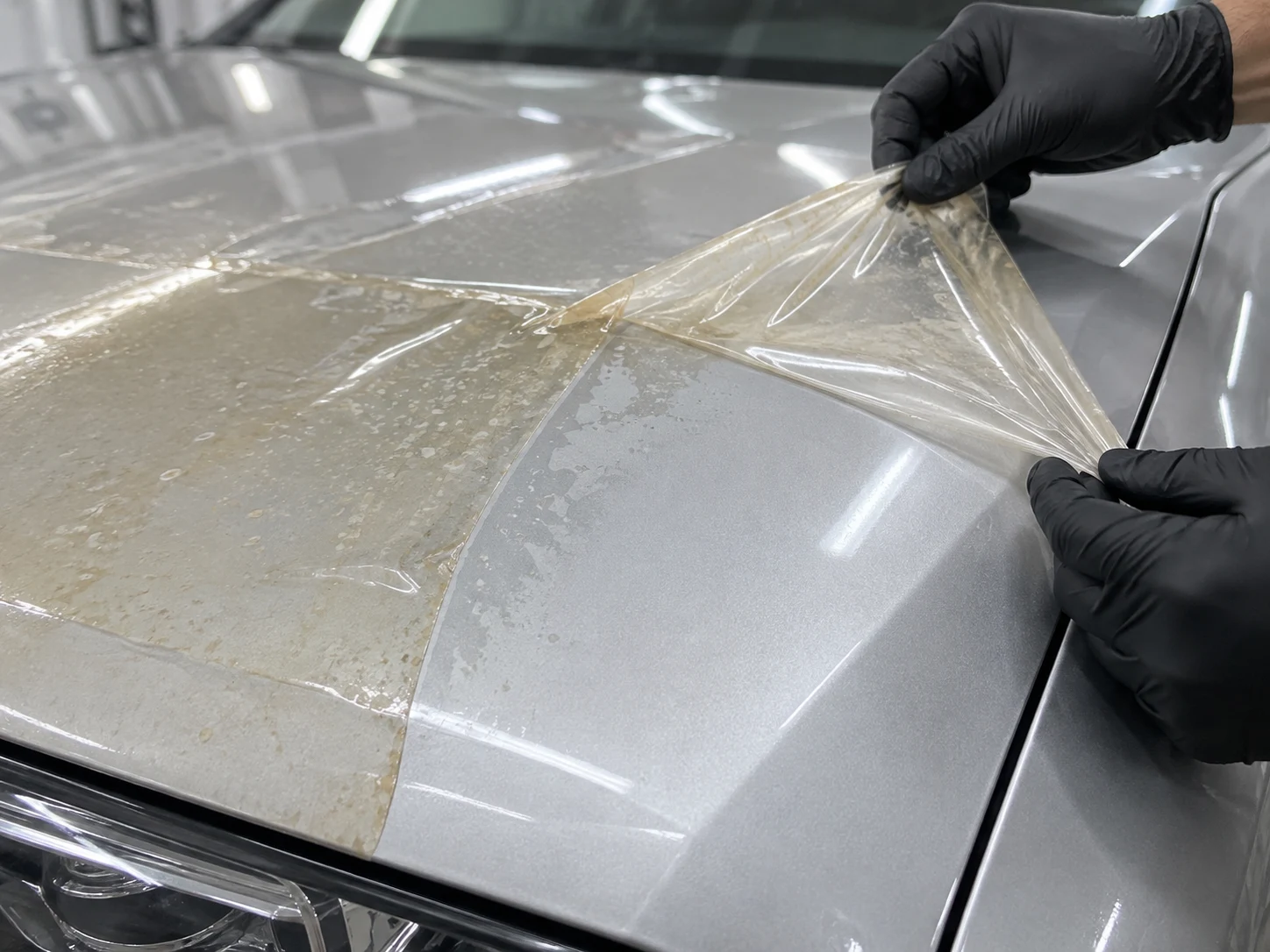
Yellowed paint protection film (PPF), peeling edges or a damaged section can spoil the look of your car. Contact Wrapping.ae in Al Quoz for removal only, panel replacement or wider renewal, with the film and paint condition assessed before work.
- Removal only or removal with new protection
- Single-panel replacement where suitable
- Cleanup and replacement costs kept clear
Full vehicle removal guide AED 2,500 to 3,200. VAT and cleanup inclusions need confirmation. Compare removal and replacement estimates.
Start with your car model, a whole-panel photo and a close-up. Unknown film brand or age is fine to mention.
Choose the work your car needs
Three ways to deal with old PPF
Start with the affected panels and the finish you want afterward. Removal only, replacing one panel and renewing a larger area are different jobs. Compare the appropriate work after the film and paint have been assessed.
Tell the workshop whether the main concern is appearance, a damaged section or getting ready for a different finish. A problem in one area does not automatically mean every panel needs replacement.
01
Removal only
Remove the agreed old film and address accessible adhesive using a suitable cleanup process. Ask for a record of the exposed paint condition. Paint correction, body repairs and new protection are separate decisions, not automatic inclusions.
02
One-panel replacement
Consider this when a specific panel needs new film and the surrounding installation remains suitable. Check product availability, finish matching and the condition of adjacent edges before deciding the final boundary.
03
Wider renewal
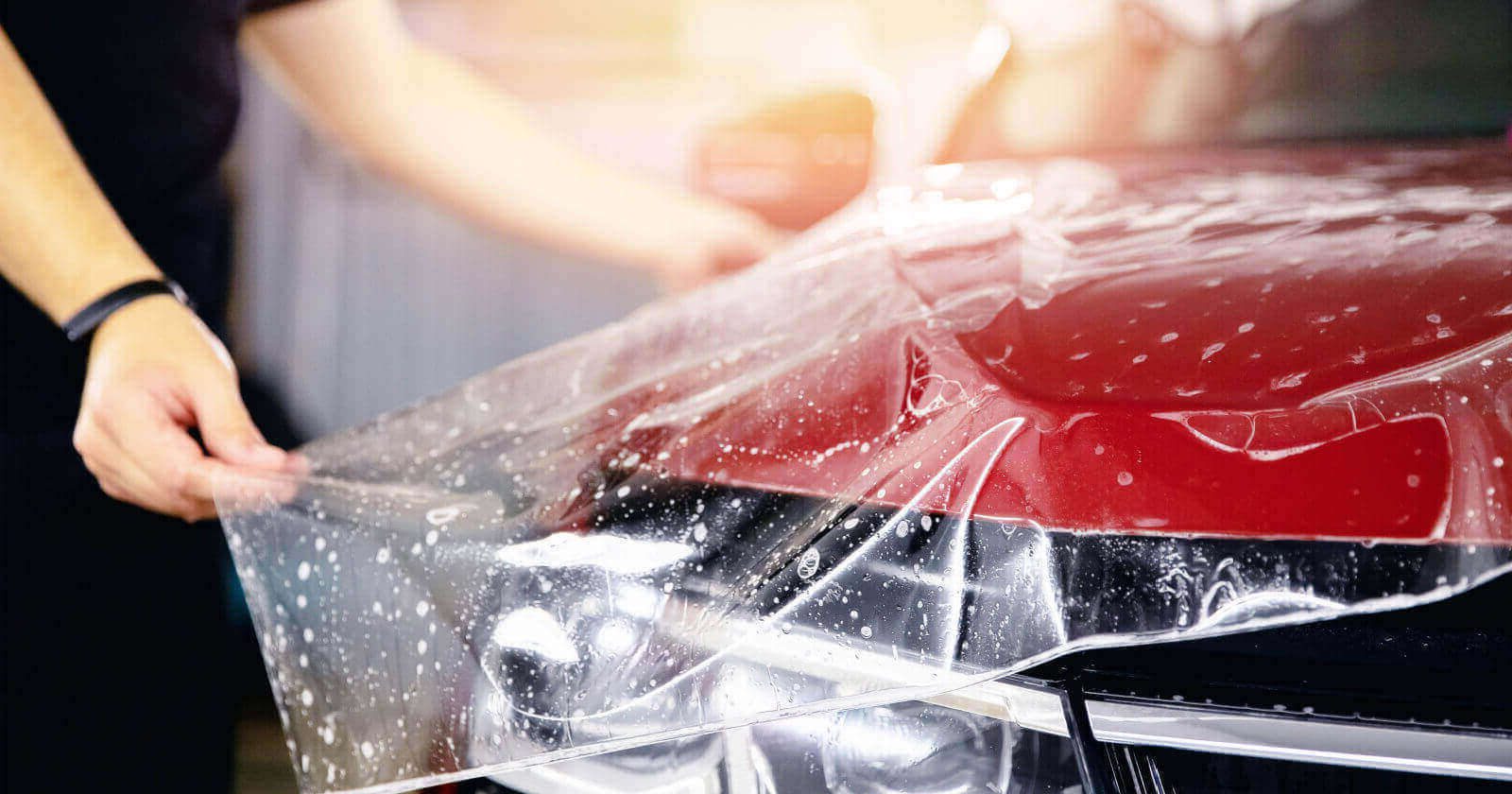
Discuss several panels or a full exterior renewal when the condition or desired finish justifies it. Compare the broader scope with a limited repair so you can choose the work that serves your car.
A loose corner or yellowed area is a reason for assessment, not a diagnosis by itself. Avoid pulling the film before the condition has been recorded, particularly if a warranty claim may be involved.
Plan the work and the budget
PPF removal and replacement pricing
Start with the panels that need attention. Your total combines old-film removal, agreed cleanup and any replacement film. Paint repairs or extra preparation need a separate allowance.
Use these planning estimates to compare the work, then send your vehicle details and photos for an itemized quote. They are not fixed packages. The exact film, removal condition and included preparation determine your final price.
Estimated removal and new-film prices
New-film figures cover the fitting stage only. Add the separately quoted removal, residue cleanup and any approved paint work. Check the VAT column before comparing totals.
| Work required | Estimated budget | VAT basis | What the figure covers |
|---|---|---|---|
| Full vehicle film removal | Estimated budgetAED 2,500 to 3,200 | VAT basisConfirm in quote | Price scopeRemoval of the agreed full-vehicle film coverage. Specify adhesive cleanup, trim access and paint finishing in the quote. |
| Selected-panel removal | Estimated budgetAfter inspection | VAT basisConfirm in quote | Price scopeRemoval from named panels. Film condition and residue must be assessed before setting a reliable amount. |
| New film on one bumper | Estimated budgetAED 1,600 to 2,000 | VAT basisConfirm in quote | Price scopeNew film fitted to one front or rear bumper. Old-film removal and paint repair are separate. |
| New film on the hood | Estimated budgetAED 1,650 to 2,050 | VAT basisConfirm in quote | Price scopeNew film fitted to one hood. Vehicle size and shape affect the price. Removal is separate. |
| New film on one door | Estimated budgetAED 850 to 1,000 | VAT basisConfirm in quote | Price scopeNew film fitted to one door. Confirm the film, edge treatment and matching. Removal is separate. |
| New clear film on the full front | Estimated budgetFrom AED 4,950 | VAT basisIncludes 5% VAT | Price scopeStarting estimate for full-front clear film. Name the included panels. Existing film removal is additional. |
| New clear film on the full exterior | Estimated budgetFrom AED 13,500 | VAT basisIncludes 5% VAT | Price scopeStarting estimate for clear film on agreed exterior panels. Removal, extra preparation and inner jambs need separate confirmation. |
Rows marked “Confirm in quote” are not confirmed tax-inclusive totals. Removal and installation estimates can involve different products and vehicles. They are separate allowances, not a combined package price.
Film and adhesive
Brittle film, multiple layers, stubborn residue and tucked edges can increase removal and cleanup time.
Paint and access
Repaint history, weak clear coat, necessary trim work and repairs can change the agreed work after inspection.
Replacement finish
The exact film, panel size, finish and matching requirements determine the new-installation cost.
Get a quote for the panels you need
Send your make, model, year, one whole-panel photo and a close-up. Say whether you want removal only or replacement. Ask for any extra work to be priced and approved before it starts.
Your written quote should list removal, adhesive cleanup, replacement film and any paint work separately, with one final VAT-inclusive total.
Make the first inquiry useful
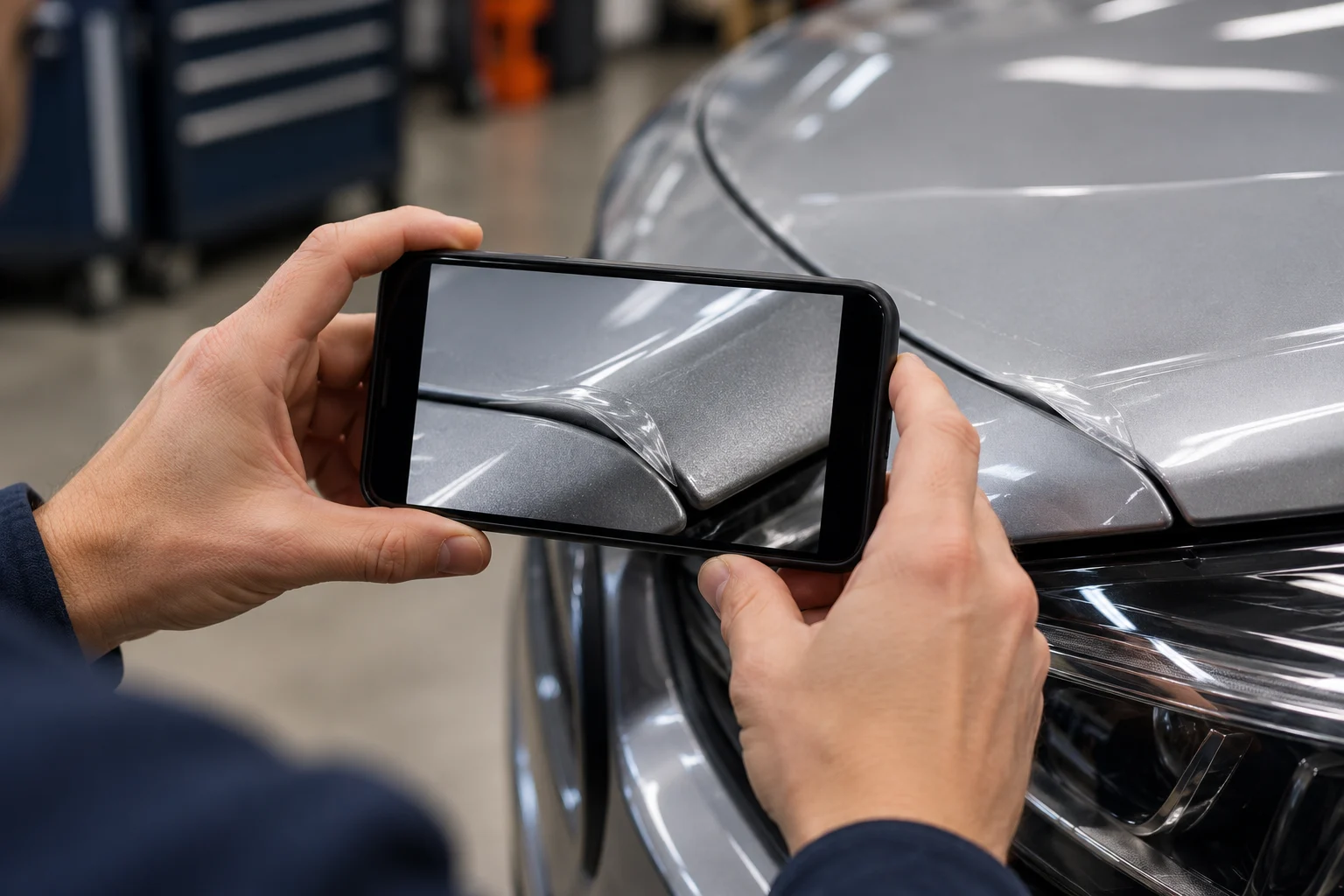
Start your quote with two useful photos
A whole-panel photo shows where the problem sits. A closer photo shows the edge, mark, tear or color change. Include your car model and say which other areas are affected.
Film details
Share the brand, product, installation date and original invoice if available. If the film is unknown, say so. Uncertain history is a reason to inspect, not a reason to guess the material.
Paint and repair history
Mention resprays, bodywork, touch-ups, previous removal attempts or damaged clear coat. A photograph cannot establish paint adhesion or rule out hidden repairs.
Your preferred outcome
Say whether you want exposed paint, replacement clear film or a different finish. This helps separate the removal job from any new installation.
If you are considering a warranty claim, contact the original installer or warranty provider before removal and retain the evidence. Ask whether inspection or authorization is required. Removal can make the original condition harder to assess.
Bring any relevant records to the workshop. The estimate should reflect what is known and identify what still needs checking on the vehicle.
Control the work and the next decision
A removal plan that accounts for your paint
Professional removal should account for the exact film, its condition and the substrate underneath. Repainted panels, brittle material, adhesive buildup and restricted access can require a different approach or more time.
Discuss access around badges, trim and tucked edges before work begins. Ask what needs to be removed and refitted, and whether fragile or previously repaired parts create additional limits.
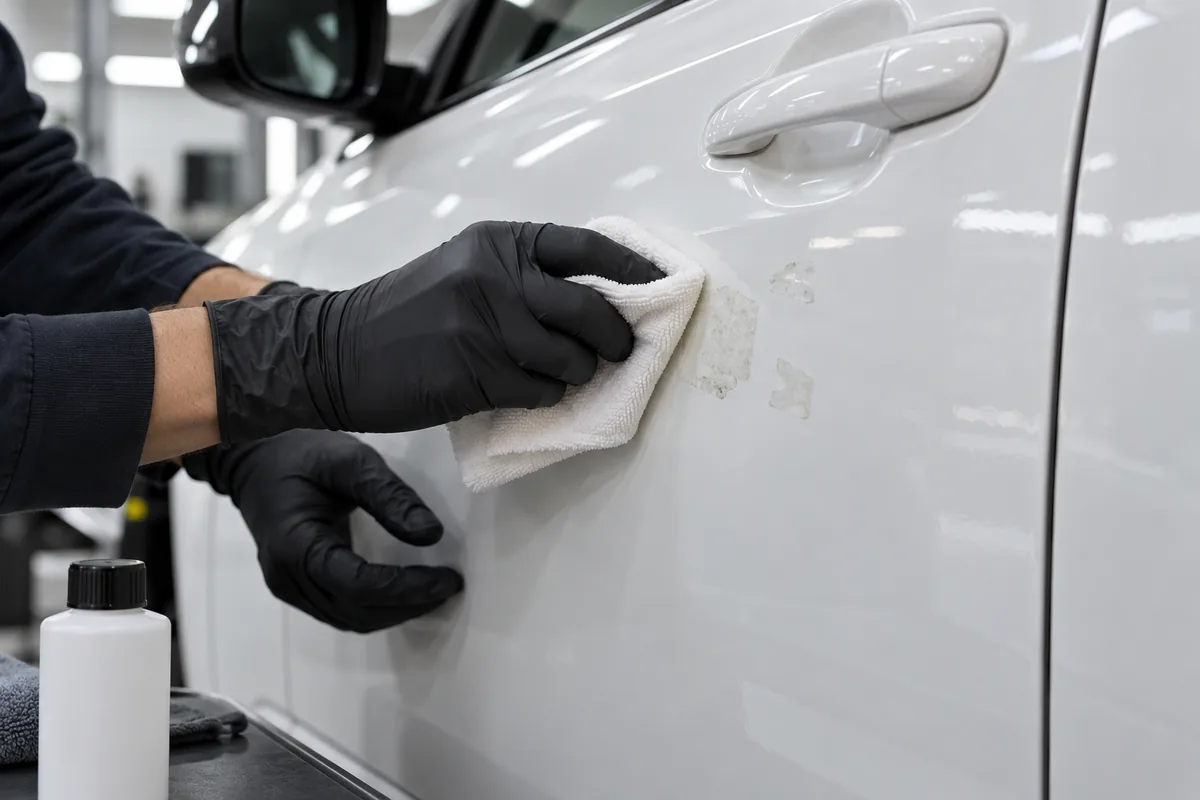
Record the starting condition
Identify the panels, visible film damage, paint history and agreed exclusions. Keep photos and confirm what should happen if previously hidden damage appears.
Assess how the film releases
A controlled initial assessment helps the technician judge the next step. The behavior can vary between panels, and an encouraging result in one area does not guarantee every area will release the same way.
Remove film and address residue
Use a product-appropriate professional process. Residue may need separate attention; aggressive scraping or an unsuitable chemical can create another problem. Stop and reassess if the substrate appears unstable.
Inspect before refinishing
Review the exposed paint and cleanup result before polishing, repair or replacement film. Confirm any additional treatment and the revised quote before authorizing that work.
XPEL recommends professional removal. Manufacturer methods are product-specific. Ask for the approach appropriate to the film on your vehicle, especially when its age or installation history is unknown.
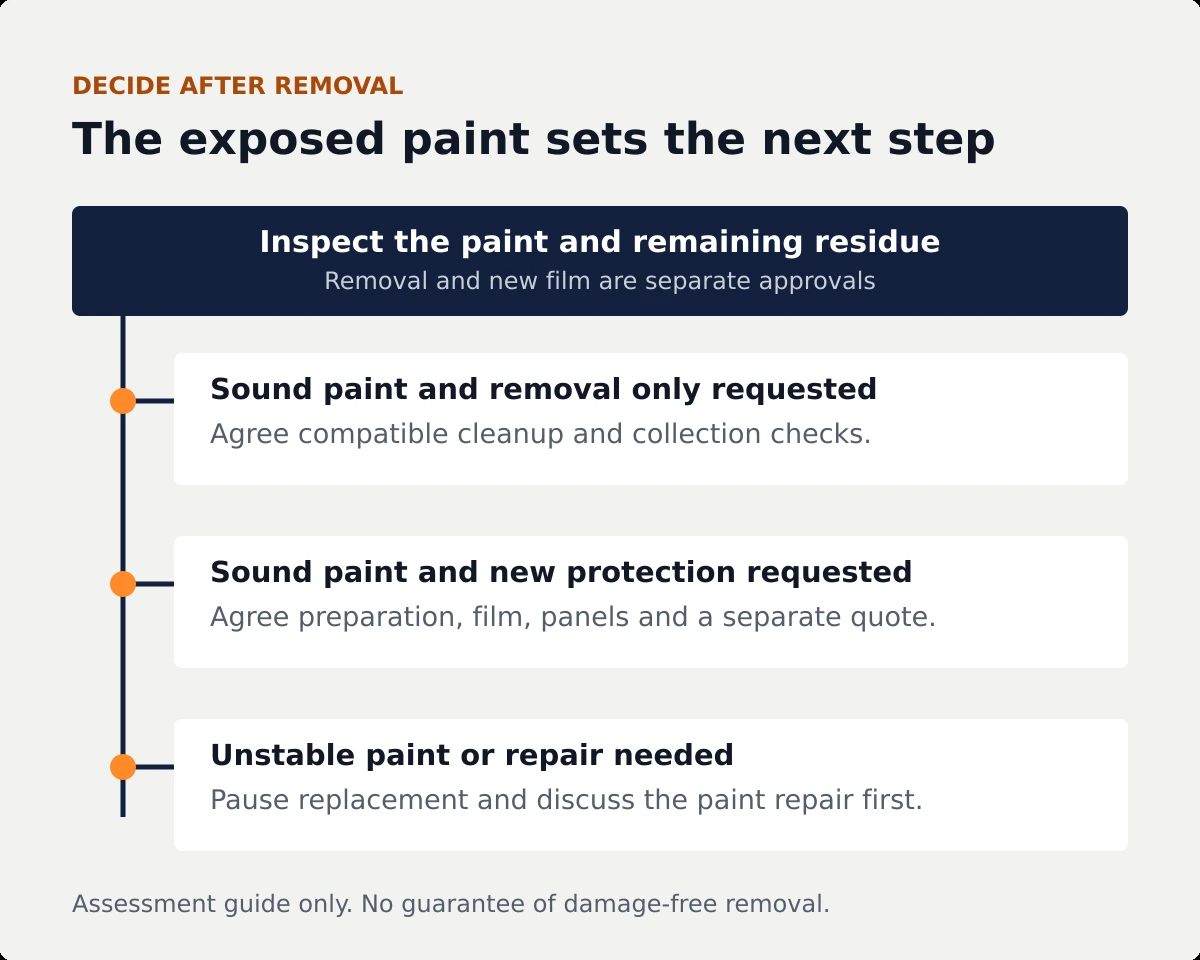
Choose the finish after the film comes off
Know what removal can and cannot restore
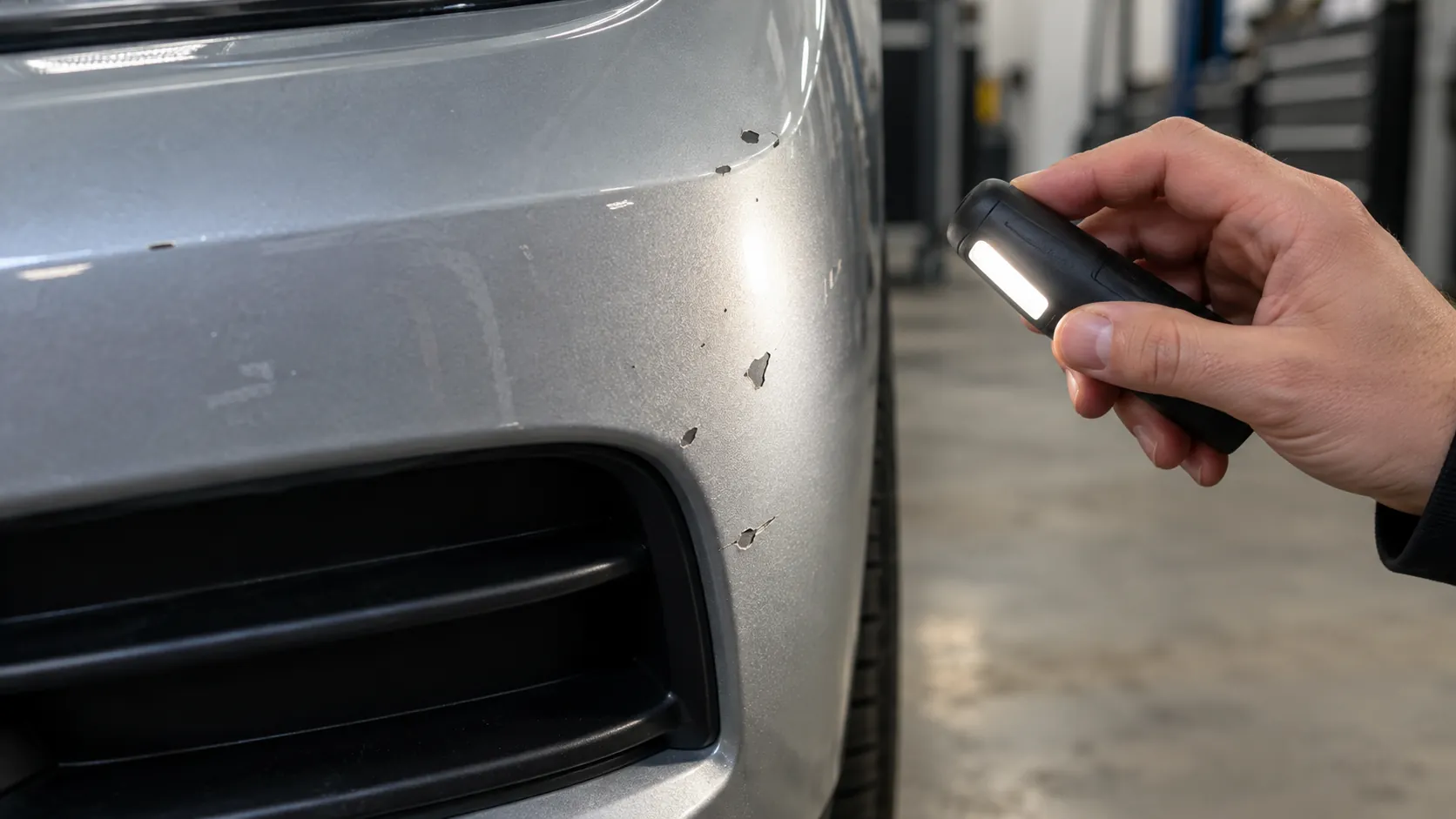
Old film and adhesive are separate from the paint beneath them. Removing the covering does not repair chips, dents, scratches in the paint or a failing clear coat. Review the surface before choosing further work.
Suitable paint with residue
Agree the remaining cleanup and inspect the result. If you want removal only, confirm the finishing work and care advice included before collection.
Surface marks or existing damage
Some marks may suit paint correction. Chips, dents and deeper defects can require a different repair. Correction is not suitable for every paint problem.
Weak or newly repaired paint
Address the underlying condition before applying new film. If refinishing is needed, readiness must be confirmed for that paint system by the refinisher.
Removing cloudy or damaged film may reveal paint defects that were difficult to see before. Compare findings with the starting record, and ask for an explanation before agreeing to repairs. No removal service can guarantee that every concealed surface is sound.
Restore the areas that need it
Renew one panel when the rest can stay
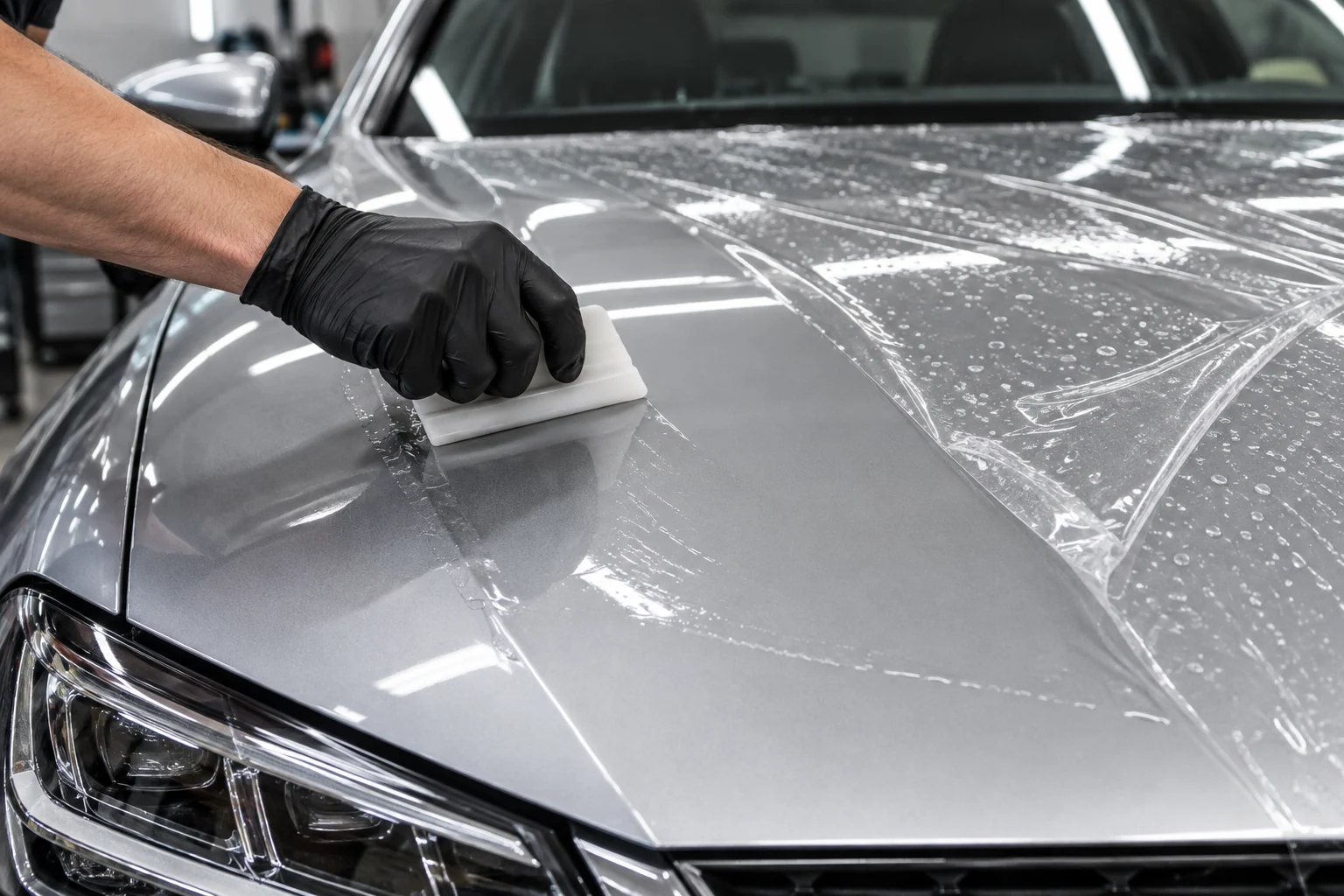
A single replacement panel can be a practical choice when the remaining film is in suitable condition. Agree whether the existing damage requires a full panel or another appropriate replacement boundary; do not assume a small patch will produce the appearance you want.
Identify the original brand, series and finish where possible. The same brand can contain different products, and new material can look different next to weathered film.
01
Match the material
Compare gloss, satin or colored finishes using the proposed product. A discontinued line or unavailable color may limit matching. Request a sample and discuss the difference before expanding the job.
02
Check adjacent coverage
Inspect the neighboring film and edges. Broader renewal should have a reason, such as condition or an unacceptable finish difference, rather than being assumed from a single damaged area.
03
Confirm new installation readiness
Old film and residue must be addressed and the paint suitable before new film is fitted. Keep removal, preparation and replacement clearly identified in the work order.
For the range of new-film installation choices, see paint protection film installation. Ask for removal and replacement to be itemized for the agreed areas.
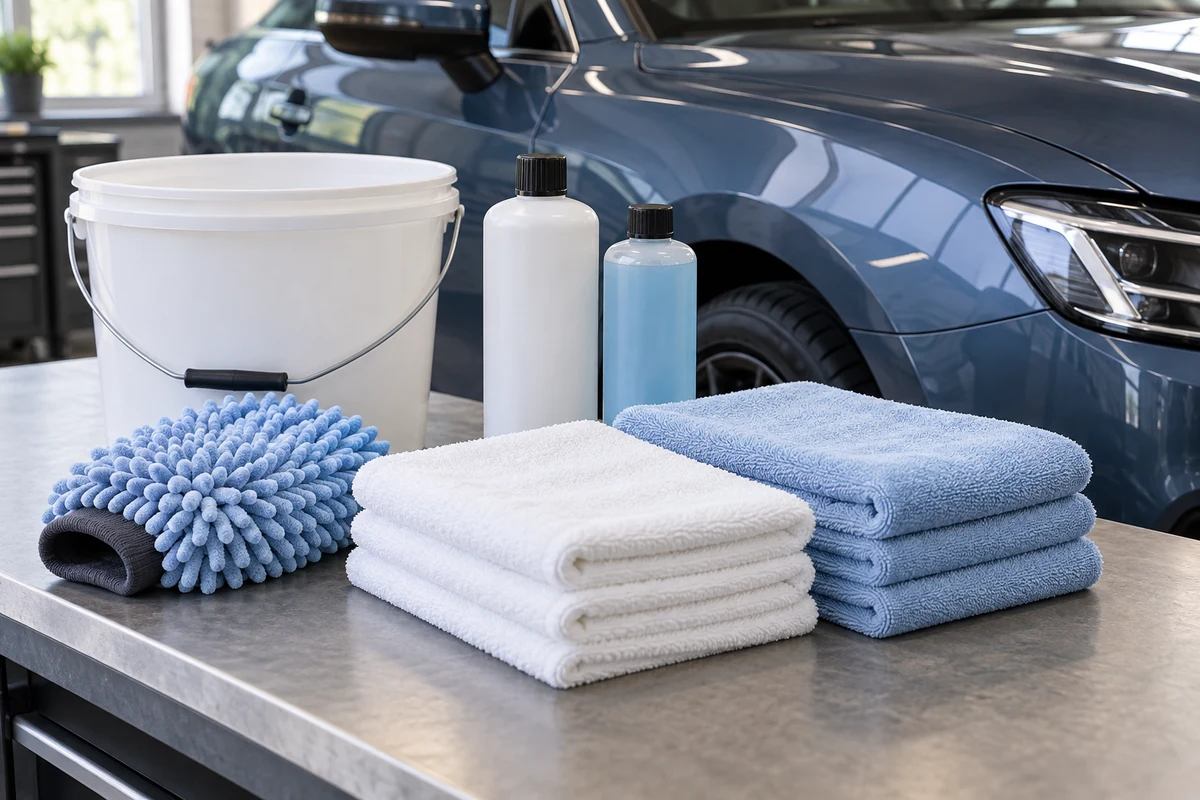
Plan the collection as carefully as the work
Leave with the right care and service records
Ask for a realistic schedule after assessment. Removal, cleanup, paint treatment and new-film installation can involve separate stages. Unknown film or unexpected paint findings can change that schedule; agree how the workshop will update you.
At collection, review the agreed panels and visible findings. Check refitted trim and normal clearance and operation around handles, cameras, sensors and fuel or charging flaps affected by the work.
01
After removal only
Confirm what cleanup or finishing products were used, any remaining defects and the recommended care for the exposed paint. Do not apply an aggressive polish simply because the film has gone.
02
After replacement
Follow the exact film’s first-wash interval, initial restrictions and edge-care instructions. Keep pressure jets away from edges. Photograph lifting or other concerns and contact the installer before attempting a repair.
03
Keep the records
Retain the panel list, invoice, condition photos and new-film product details. Review the applicable film and workmanship terms before approving replacement. Keep any required registration record and the contact details for a claim.
Old-film warranty coverage does not automatically pay for removal, repairs or new material. Terms and remedies depend on the product and circumstances. Consult the relevant documents, such as XPEL warranty information, when that brand and product apply.
Before arranging removal
PPF removal questions
Tell the workshop what is known about the existing film and paint. That information helps define the work, risks and realistic next steps.
Can you guarantee damage-free PPF removal?
No universal guarantee is appropriate. Film condition, paint adhesion and previous repairs affect the risk. Have the vehicle assessed and record any concerns before authorizing work.
Can yellowed PPF simply be polished?
The cause needs assessment first. Contamination, staining and deterioration require different responses, and an abrasive treatment can harm the film. Ask for a product-safe assessment before choosing cleaning or replacement.
Can new film go over the old PPF?
Do not assume layering is a suitable repair. Agree removal, residue cleanup and paint preparation before replacement so the new installation has an appropriate surface.
Do I have to replace the film after removal?
No. You can request removal without new film. Discuss the exposed paint condition, included finishing and whether you want any further protection as separate decisions.
What if I do not know the brand or age?
Send the available photos and say that the history is unknown. An assessment can inform the removal plan, but appearance alone may not establish an exact product or warranty.
How long does PPF removal take?
Timing depends on the area, film behavior, residue, access and paint findings. Replacement adds preparation and fitting stages. Ask for a schedule after inspection rather than assuming a fixed turnaround.
Will badges or trim need to come off?
That depends on where the film terminates and how the area can be accessed. Agree any removal and refitting, fragile-part concerns and related costs before work.
Can you assess film I have already started removing?
Explain what was pulled, heated or treated and send photos of the remaining material. Pause further attempts until the condition has been assessed; partial removal can change the work required.
Will a new panel match the remaining PPF?
An exact match cannot be assumed. Product availability, sheen, color and weathering matter. Compare the proposed film and discuss the visual result before approving one-panel or wider replacement.
Refresh the panels that need attention
Request your PPF removal quote
Send your vehicle details and two photos to Wrapping.ae. Say whether you want removal only, one replacement panel or wider protection, and mention any repaint history.
Start with a clear description of the work, then arrange an assessment and ask for removal, cleanup and any replacement to be itemized.
AMF Auto Services LLC, 39, Al Quoz, Dubai. Call before visiting to arrange an assessment.