
Matte or satin
Low-sheen finishes can show rubbed spots and inconsistent cleaning. Use only the care products approved for the specific coating. Do not assume a scratch can be polished out without changing the texture.
Al Quoz · Dubai · removable color finish
Change the color with a sprayed, removable coating, subject to the condition of the paint underneath.
Start with a finish sample and a vehicle inspection. We will agree on the coated panels, preparation, product system, removal plan, and written total before application. A peelable finish is a distinct choice from vinyl film or permanent repainting, and the right choice depends on the car and how long you want the look.
Earlier sedan guide: AED 1,500–2,500. Your product, covered panels, VAT and payable total are confirmed in a written quote after inspection.
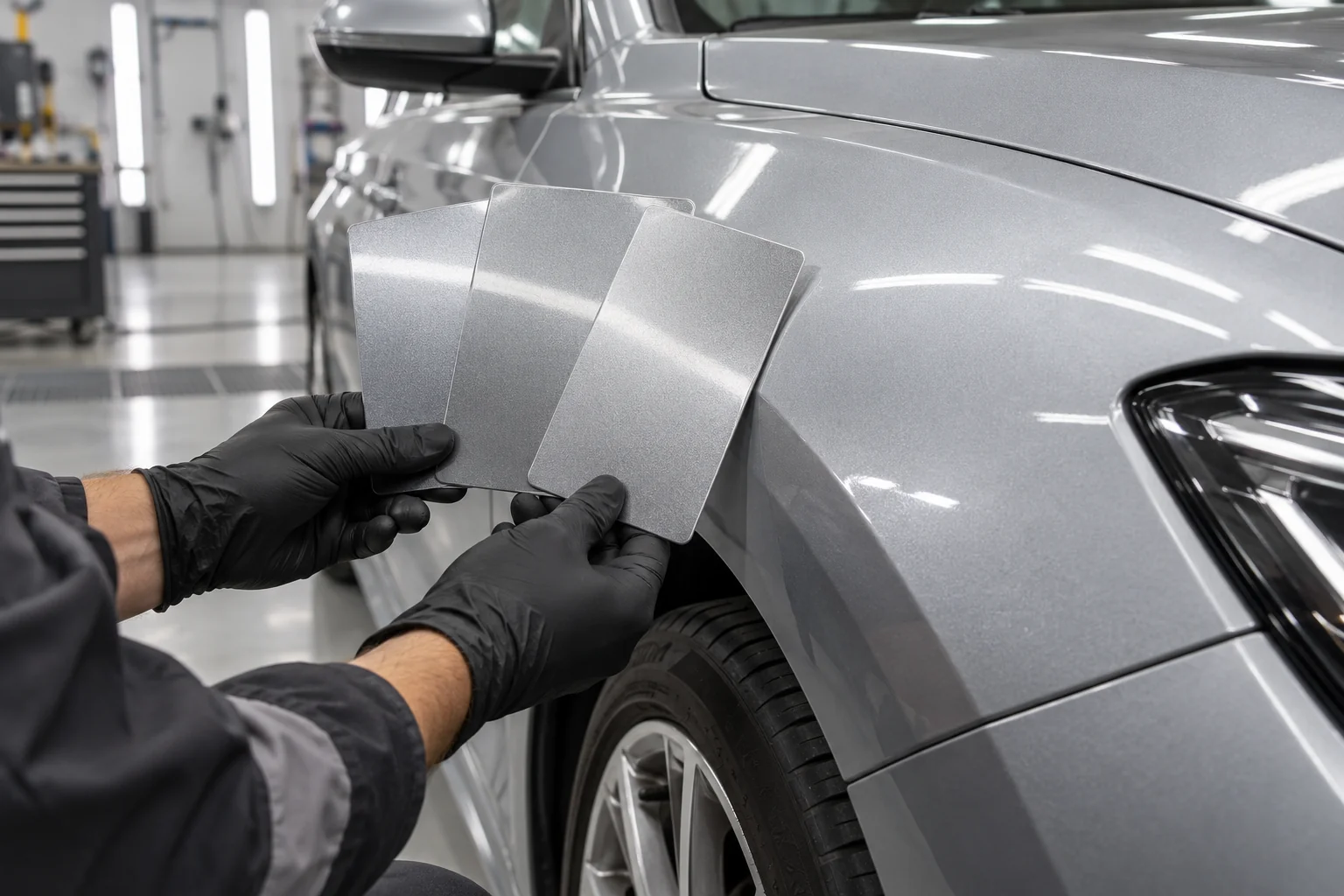
First decision
Removability begins under the coating. A sprayed layer follows chips, dents, sanding marks, failed lacquer and repair edges. It cannot make weak paint sound or promise a damage-free removal from every panel.
Bring the car for inspection. We look at clear coat, corrosion, repaint history, filler, old adhesive and parts that need masking. Photographs help plan, but they can miss a vulnerable edge.
Clean and assess the surface, then agree a sample, coverage and later removal method.
Minor outlines may remain visible. A repainted panel is not automatically rejected, but adhesion and removal risk need their own decision.
Assess paint or body repair before coating. Covering a failing surface does not restore it.
Record the baseline. Photograph uncertain repairs and agreed limits before masking. A sample can help assess appearance and adhesion on a selected area; it does not guarantee the condition of every panel after removal. The quote should say who records existing marks, which panels are excluded, and whether a separate paint repair is needed before the color decision. This prevents a finish sample from becoming an implied promise to hide defects.
Put the product in writing
Request the manufacturer, product name or SKU, compatible base and top coats, chosen color and finish, and any primer or sealer. Confirm that the proposed system suits the car’s substrate and intended exposure. The written quote should name the system available for your car.
See the label and technical sheet before approving the job. Mixing, thickness, layer intervals, temperature and cure follow the selected manufacturer’s instructions. A universal coat count or same-day collection promise would be misleading. Keep a copy of the technical sheet reference and the approved sample with the job record so later maintenance or panel repair uses the same material identity.
Ask whether bumpers, plastic trim or repaired paint need different material or preparation. If the proposed product or color is unavailable, approve a new specification before substitution.
Finish selection
A finish name alone does not tell you what is available in the approved product line. Compare sprayed samples in sunlight and shade, especially next to uncoated door openings, handles and badges. The same color can look different on a curved bumper and a flat door.
Low-sheen finishes can show rubbed spots and inconsistent cleaning. Use only the care products approved for the specific coating. Do not assume a scratch can be polished out without changing the texture.
Reflective finishes emphasize preparation and lighting. Inspect the existing paint, sample and expected texture before committing. A glossy removable coating is not the same surface as refinished automotive paint.
Check the installed system, batch consistency and spray-out in more than one light. Repairs and later color matching can be difficult, so keep the product code and sample with the invoice.
Temperature-responsive effects need a named, available product and its technical sheet. This effect is not a confirmed booking choice. If a suitable system becomes available, review a physical sample, response range, durability and care terms first.
Cost before booking
Use these earlier AED bands to plan a color change, then share your car model and the panels you want coated. We will inspect the existing finish and price the named material, preparation, coverage, cure window and VAT in a written estimate.
Indicative exterior color change for a comparatively straightforward vehicle.
Panel coverage, masking and preparation need to be defined in the quote.
More area, additional edges or a more involved finish can change material and labor.
Your quote should name the product, layer plan and collection window.
Your quote should list the covered panels and openings, material and labor, masking, preparation, cure and aftercare. Ask whether VAT is included and whether removal of old film, paint repairs or any authority-related costs are extra. These guide figures do not define a current package or warranty.
A partial job can cost less in total yet more per panel because masking and setup still take time. A failed clear coat, peeling repaint or rust may need a separate repair estimate. Color and finish substitutions should be approved before material is ordered or sprayed.
From inspection to collection
The order matters: surface, boundary, compatible layers, cure, inspection. Decide what stays on the car and where the color ends before preparation starts.
The product sheet, ambient conditions and panel coverage set the schedule. Ask for a collection window and first-wash timing on the quote; rushing the stated cure can affect the finish.
Document chips, repaints, old film, weak lacquer and trim. Photograph limits that the coating will not repair.
Remove suitable contamination and dry seams. Handle approved paint or body repair as separate work.
Agree openings, lights, cameras, sensors, seals, wheels and parts to remove or leave untouched.
Follow compatible layer, interval and environmental instructions on its technical sheet.
Check coverage, texture and edges in more than one light before collection.
Keep the product code, color sample, coated-panel map, wash instructions and removal terms.
Three different routes
These choices solve different problems. Decide first whether you want a removable color, a film finish with defined seams, or a permanent paint repair. None should be sold as a universal replacement for the others.
Can give a continuous sprayed look across shaped panels when a compatible system is available. Removal depends on film build, age, product and substrate. Repairs may need panel reapplication and careful color matching.
Ask aboutSystem identity, surface risk, masking, curing, care, removal labor and product-specific warranty.
Offers a wide range of finishes and panel-based replacement. Edges, seams, door openings and complex recesses need an installation plan. Old or weak paint can still be damaged when film comes off.
Ask aboutFilm code, coverage and seam plan. See car foiling for the vinyl route.
Appropriate for damaged paint that needs repair, refinishing and color matching. It changes the painted surface and is not meant to peel away. Preparation and blend scope can extend beyond one panel.
Ask aboutRepair, material system and adjoining panels. See car painting.
If the existing clear coat is failing, changing the top layer without addressing the failed surface does not restore sound paint. A body or paint repair estimate is the more useful next step.
Plan the end at the start
Peelable describes the intended behavior of a named product. It is not a promise that every aged coating will lift cleanly from every painted panel.
Film build, exposure, age, earlier repainting and the condition of the clear coat can change the labor and the outcome. Set a separate removal scope and estimate when the coating is installed, then reassess the car when removal is actually booked.
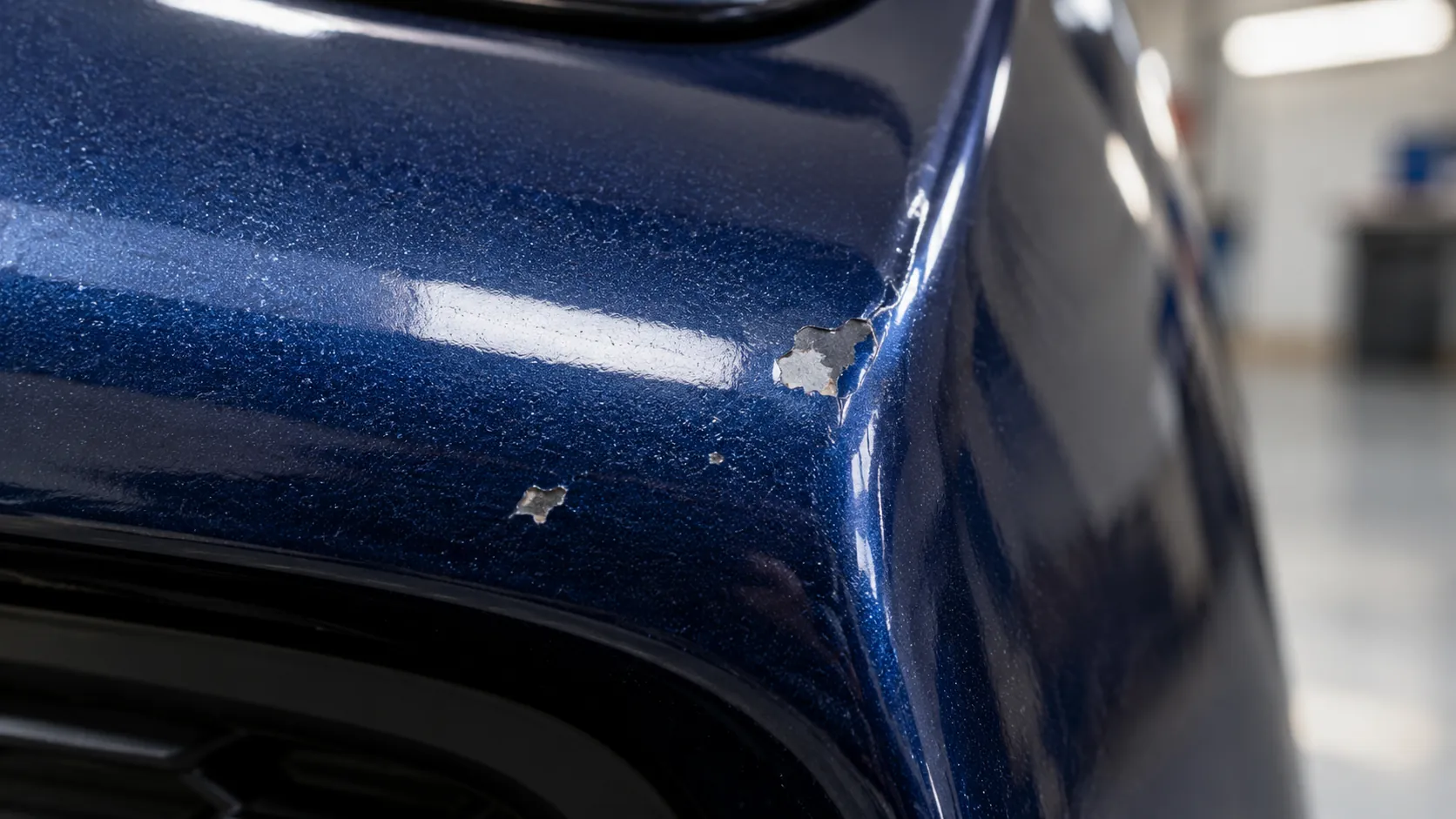
Bring the product code and coated-panel map. Inspect chips, corrosion, repainted panels and lacquer as they are now. Photographs taken before application help distinguish old defects from new concerns.
The removal method and any approved tools or chemicals come from the installed system. Do not pull at weak paint or use a strong solvent without checking compatibility. Fragmented coating or residue can add labor.
If the car’s own clear coat starts lifting, stop. Review the substrate, explain the risk and agree any revised labor or paint repair before continuing.
Removal does not reverse old chips, fading, sanding marks or body repairs. Areas covered for different lengths of time can appear different after exposure. Review residue and paint condition at handover, with any repair estimated separately. Keep the product record for future cleaning and repair decisions.
Ownership and warranty
Wash gently with methods approved for the coating. Remove bird droppings, insect residue and other contamination promptly without dry rubbing. Avoid abrasive polishing unless the manufacturer specifically permits it, particularly on matte or satin finishes. High-pressure water at vulnerable edges can shorten service life.
Inspect chips, lifting or peeling before they spread. Photograph an issue and contact the installer instead of trying to peel or patch it yourself. A repair may require a panel-wide application, and an older color can differ from fresh material. The first wash, chemical compatibility and storage advice belong on the handover sheet.
Coverage is a design decision
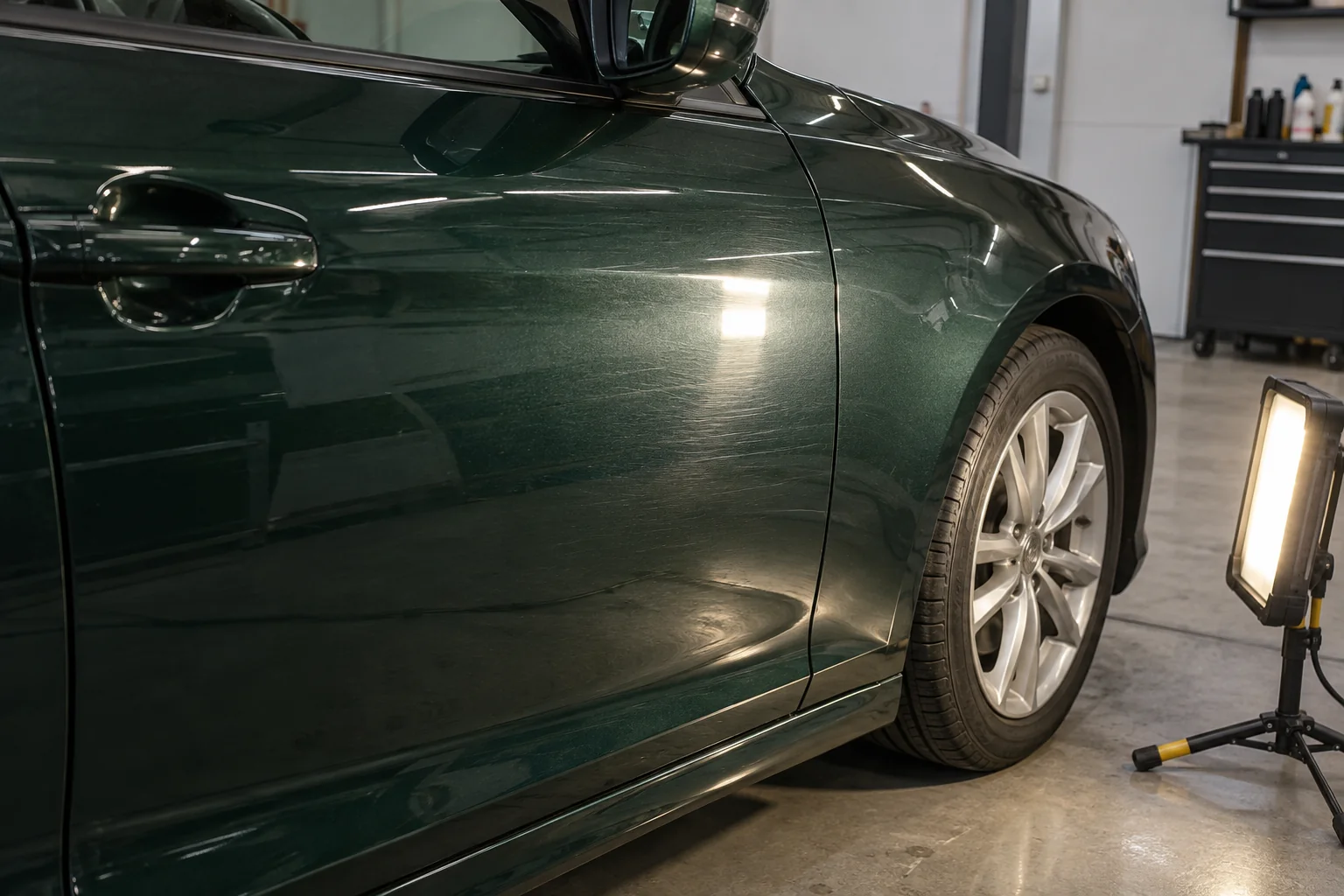
A color sample shows the shade. The panel map shows the finished car.
Uncoated door openings can contrast whenever a door is open. A roof accent may be deliberate; a repainted bumper may need exclusion. Mark the panels, openings and returns before work so the owner and installer picture the same result.
Handles, badges, lights, cameras, sensors, seals and plastic trim need individual masking or removal decisions. A coating across a light or sensor can create a functional problem. Mirrors, wheels and jambs should never be assumed from “full car.”
Choose where the color ends when a door, bonnet or boot is opened.
Decide what can be masked and what disassembly is justified.
Consider corners, seams and water-collecting edges before they are coated.
A cleaner edge may require more time and disassembly. Record the compromise among appearance, access, substrate risk and price in the written scope. Inspect the chosen boundary from normal standing height and again with the openings in use. The installer should identify any area where a neat line is physically difficult before coating begins.
Think beyond collection day
Heat, sun, dust and repeated washing can affect the appearance of a color coating. The product sheet should state any expected exposure limits and the correct cleaners. Parked cars can weather unevenly where panels see different amounts of sun, so a replacement panel may not match the older finish perfectly.
A chip or scrape might break the removable layer. Do not use a solvent, machine polish or household adhesive to disguise it. Send a photograph and the product code so the installer can decide whether a local repair is possible or a larger panel needs reapplication. The latter can change the cost.
Plan for removal labor and possible residue from the beginning. A well documented system and sufficiently sound base surface make that conversation easier. If the car has a previous repaint or body repair, keep its inspection photographs. Removal is the moment when hidden weak paint is most likely to become apparent.
Registration or insurance steps may be relevant when a vehicle’s visible color changes. Check the current requirement for your vehicle and use before application. A workshop booking is not official approval. Include any administrative timing in the plan if it applies.
At collection
Walk around the finished car in daylight or bright, even light. Compare it with the approved sprayed sample and panel map, recognizing that a removable sprayed finish can differ in texture from factory paint.
CHECK AT COLLECTIONCompare color at uncoated openings. Look at coverage, texture, lower edges, bumpers, badges and masking lines. Check matte areas from several angles for rubbed-looking patches.
Open doors and boot. Test lights, cameras, sensors, handles and seals. Ask which parts were removed and refitted; look for overspray on glass or trim.
Keep invoice, code, color, panel map, stated cure, first-wash instructions and any precise warranty term, covered defect, exclusion and claim route.
Photograph concerns while the application record is available. Distinguish accepted substrate marks from application defects. Contact the installer if an edge lifts; do not pull it or test it with solvent.
These checks give both sides a shared reference if a panel later needs repair or the coating is eventually removed.
Before you approve
Send make, model, year and each side of the car, with close views of existing graphics, peeling paint and repairs. Then inspect the vehicle and approve a physical sprayed sample. Photographs alone cannot settle every edge or substrate risk.
Manufacturer, SKU, compatible layers, sample, color and finish
Panels, bumpers, mirrors, roof, handles, openings and visible edges
Cleaning, masking, old-film removal, excluded or separately priced paint repair
Application and cure window, first wash, care and collection inspection
Payable total and VAT treatment, warranty scope and later removal method or estimate
The material and color should not be substituted without your approval. A partial job may require the same masking and setup as a larger one. Paint failure or rust can call for a separate repair estimate before coating.
Leave with the product code and the same panel map the installer used. Ask how a later scrape would be assessed, whether it can be repaired locally, and what removal labor would be quoted separately.Common questions
A compatible coating can act as a sacrificial surface in some conditions, but it is not a guarantee against chips, sun damage or underlying paint failure. Suitability depends on the installed system and the paint condition.
No one can promise that for every car. Sound paint is a better candidate. Weak clear coat, corrosion, old repairs, film age and removal method can affect the substrate. Inspect before application and again before removal.
A temperature-responsive finish is not listed as a standard choice. We would need to show you a named, available product, a physical sample, its response range and care terms before quoting it.
Your written quote should name the installed coating and state its actual term, covered defects, labor, exclusions and claim process. No generic duration applies to every finish or paint condition.
The selected product, preparation, number of panels and required cure set the schedule. The quote should give a drop-off and collection window rather than a generic same-day promise.
It can follow the shape of minor marks, so the defects may remain visible. Peeling clear coat or corrosion needs a paint or body repair assessment first.
The indicative guide lists AED 1,500–2,500 for a sedan and AED 3,000–4,500 for larger or complex work as rough guides. A current payable total needs the material, panels, preparation and VAT treatment in writing.
Use the installed product’s documented removal method. Pulling from weak paint or using incompatible chemicals risks damage. A professional removal assessment is sensible when the history or condition is uncertain.
Vinyl suits film finishes and panel-based replacement; repainting suits damaged paint and lasting color work. Peelable coating can suit a removable sprayed look when the substrate and identified product support it. Compare the actual quote and care requirements.
Talk through the finish
Show us the car, pick a physical sample and agree on the product, coated panels, preparation, price, timing and removal limits before booking.
Visit the Wrapping.ae team at AMF Auto Services LLC in Al Quoz, Dubai. Call or WhatsApp to arrange the visit.