
Wrapping.ae · Al Quoz · Dubai
Brake Caliper Painting in Dubai
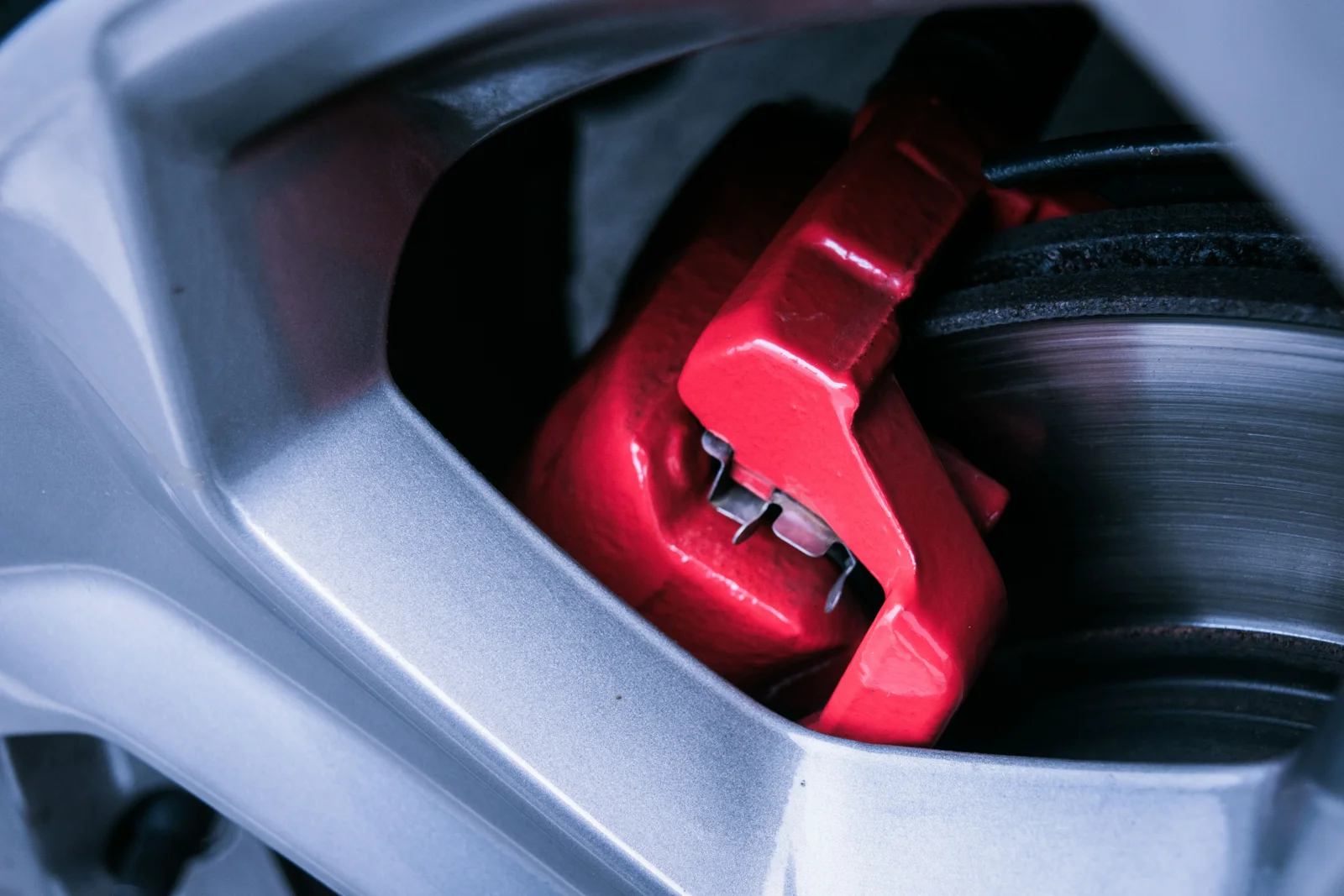
A different caliper color can change the detail behind your wheels. Plan the finish around sound brake components, careful preparation, and a coating intended for the job.
Ask our Al Quoz team about availability, your preferred color, and pricing for the exact calipers. Painting is cosmetic and does not improve braking performance.
Choose the detail you want to change
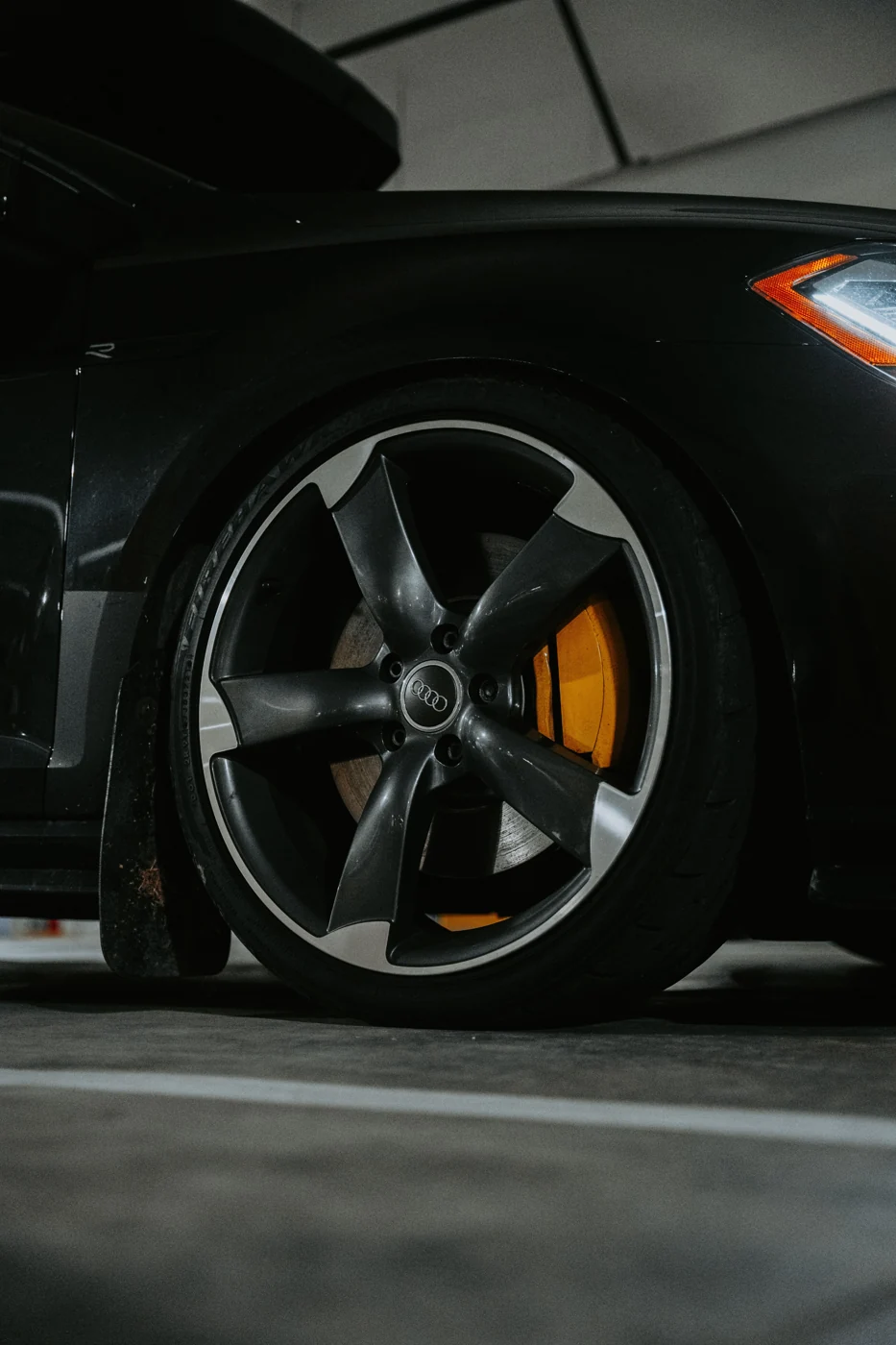
Two calipers can create a front-axle accent. Four can coordinate the appearance around the car. Identify the actual components before comparing prices.
Front and rear calipers may differ in size and visibility. Some cars have rear drums, which are different components and should not be described as two more calipers.
Selected pair
Name the axle or exact pair. Compare the chosen finish with the components that will remain untouched.
Complete set
Confirm the car has four calipers and agree the visible surfaces on each. Different sizes can require different preparation.
Compare a physical sample beside the body and wheel finish in daylight. Red or yellow can create contrast, while black or silver can look more understated. Available colors depend on the suitable coating system.
Budget by quantity and preparation
A researched Dubai listing advertises AED 300 per caliper before 5% VAT. At that rate, two would calculate to AED 630 and four to AED 1,260 including VAT, before extras.
These are market budgeting calculations checked October 9, 2026. They are not Wrapping.ae prices or confirmed two-caliper and four-caliper packages. Wrapping.ae’s own total needs a defined coating and work scope.
| Quantity example | Before VAT | VAT at 5% | Calculated total |
|---|---|---|---|
| One caliper | AED 300 | AED 15 | AED 315 |
| Two calipers | AED 600 | AED 30 | AED 630 |
| Four calipers | AED 1,200 | AED 60 | AED 1,260 |
Include in the painting quote
- Exact calipers and visible exterior coverage
- Cleaning and preparation of the existing finish
- Named coating, color, and supported sheen
- Protection of functional brake surfaces
- Curing, wheel refitting, and completion checks
List additional work separately
- Extra stripping or corrosion preparation
- Custom color work or approved lettering
- Caliper removal or hydraulic work
- Replacement seals, pads, discs, or other parts
- Wheel refinishing or mechanical brake repair
Settle brake condition before color
| Starting condition | Sensible next step | What painting cannot solve |
|---|---|---|
| Sound working component | Assess the exterior and choose a compatible preparation and coating system. | A change in braking performance. |
| Peeling paint or surface corrosion | Check the underlying metal and the extent of preparation needed. | An unstable coating hidden under fresh paint. |
| Fluid leak or binding | Arrange mechanical diagnosis before cosmetic work. | Leaking seals, a sticking mechanism, or damaged parts. |
| One damaged finish | Compare a localized refinish with the surrounding color and gloss. | A guaranteed invisible match to aged coating. |
The preparation method affects the result
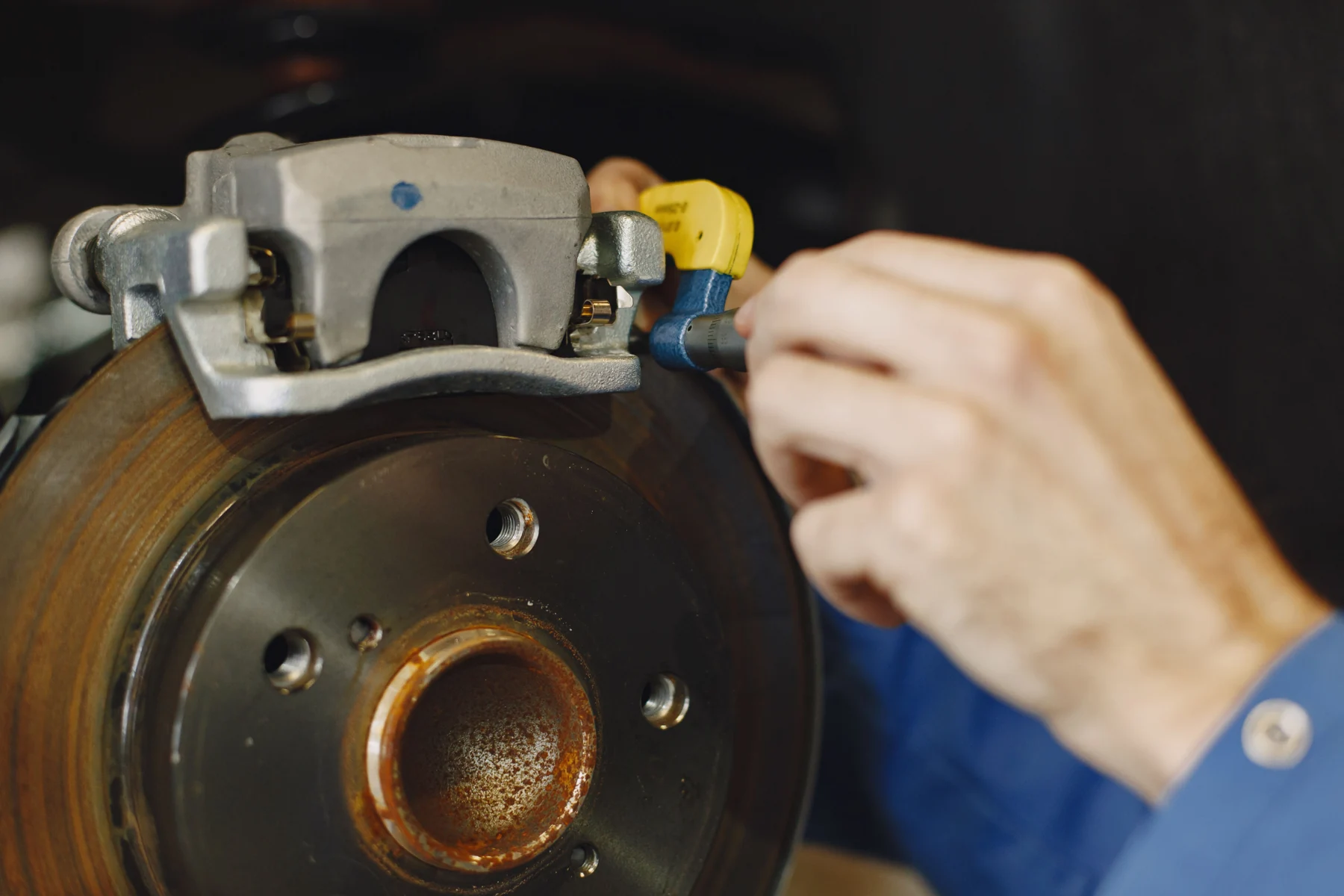
Good refinishing starts with a suitable surface and a defined method. A heat-resistance number alone does not establish that a paint is suitable.
Ask for the coating name, its compatible substrates, and the preparation required for your existing finish. Grease, loose paint, or unsuitable old coating can undermine the result.
Functional brake surfaces and components must remain protected. The process must account for pads and discs, seals, hoses, bleeders, sliding areas, and relevant mounting surfaces.
Any dismantling belongs with a qualified technician following the vehicle’s procedures. A color change should not introduce uncertainty about reassembly or brake operation.
Calipers kept attached
Some systems allow work on accessible exterior surfaces with the caliper attached. Agree the visible coverage and preparation limits. Hidden edges may not receive the same finish.
Calipers removed
Removal can change access and the available process, but it adds mechanical work. The quote must identify dismantling, required parts, reassembly, and the checks needed afterward.
Powder coating is a separate process. Do not assume an assembled caliper is suitable for blasting or oven curing. Coating instructions and component requirements must determine the method.
Agree the finish before preparation starts
Color and sheen
Choose from samples of a suitable caliper coating. A body paint code or a screen color does not guarantee that the same appearance is available in the required coating.
Visible coverage
Discuss the result with the wheel refitted. Ask which exterior surfaces will be coated and whether casting texture or old marks will remain visible.
Lettering
Agree permitted artwork, position, and coating compatibility. Added branding must not misrepresent the brake hardware. An unbranded finish is also an option.
If you want to change the wheel finish too, compare rim painting and cosmetic repair separately. Body painting has its own materials and preparation.
Plan collection around the coating cure
A dry-looking finish may not be ready for wheel fitting or road use. Preparation, coating, conditions, and any dismantling determine the collection time.
Allow the specified cure
Follow the exact product instructions. Do not use driving or hard braking as an improvised shortcut to cure an unknown coating.
Complete the final checks
Review coverage, edges, lettering, and overspray. Confirm the checks required by any wheel or brake-component removal have been completed.
Follow the initial care plan
Obtain washing and cleaner restrictions. Let the components cool before cleaning and avoid products the coating maker excludes.
Keep written finish terms
Record the warranty duration, covered defects, exclusions, and claim contact. Cosmetic finish coverage is separate from mechanical brake cover.
Manufacturer instructions illustrate why the system matters. G2’s application guidance and Rust-Oleum’s caliper paint technical sheet apply to their specific products. They do not confirm which coating Wrapping.ae offers.
Before your visit
Caliper painting questions
Tell the team your car model, preferred color, and whether you have a pair or complete set in mind. Photos through the wheel spokes can help start the discussion.
Does painting improve stopping power?
No. It changes the appearance of suitable exterior surfaces. A brake fault needs diagnosis and any required mechanical repair.
Can one caliper be repainted?
It may be suitable when the component is sound. Compare the available color and gloss with the other calipers before deciding whether to refinish a pair or set.
Can badly corroded calipers be painted?
They need assessment first. Superficial corrosion and a mechanically damaged component require different decisions. Paint must not conceal a defect.
How long will the car stay?
Agree the time after the preparation, method, and coating are selected. Touch-dry time, handling time, and permission to return the vehicle to use are different stages.
Can I choose any color or logo?
Availability depends on the coating system and suitable artwork. Request a physical sample. Lettering should be permitted and must not falsely identify the hardware.
Does the price include brake repairs?
Do not assume it does. Mechanical diagnosis, hydraulic work, replacement parts, and other repairs need their own approval and itemized price.