
Plan permission before installation
Dubai Car Wrap Rules and Approvals
Get colour-change permission before changing a Dubai-registered vehicle’s colour. Advertising is a separate approval track. After a colour change, arrange inspection and update the registration record.
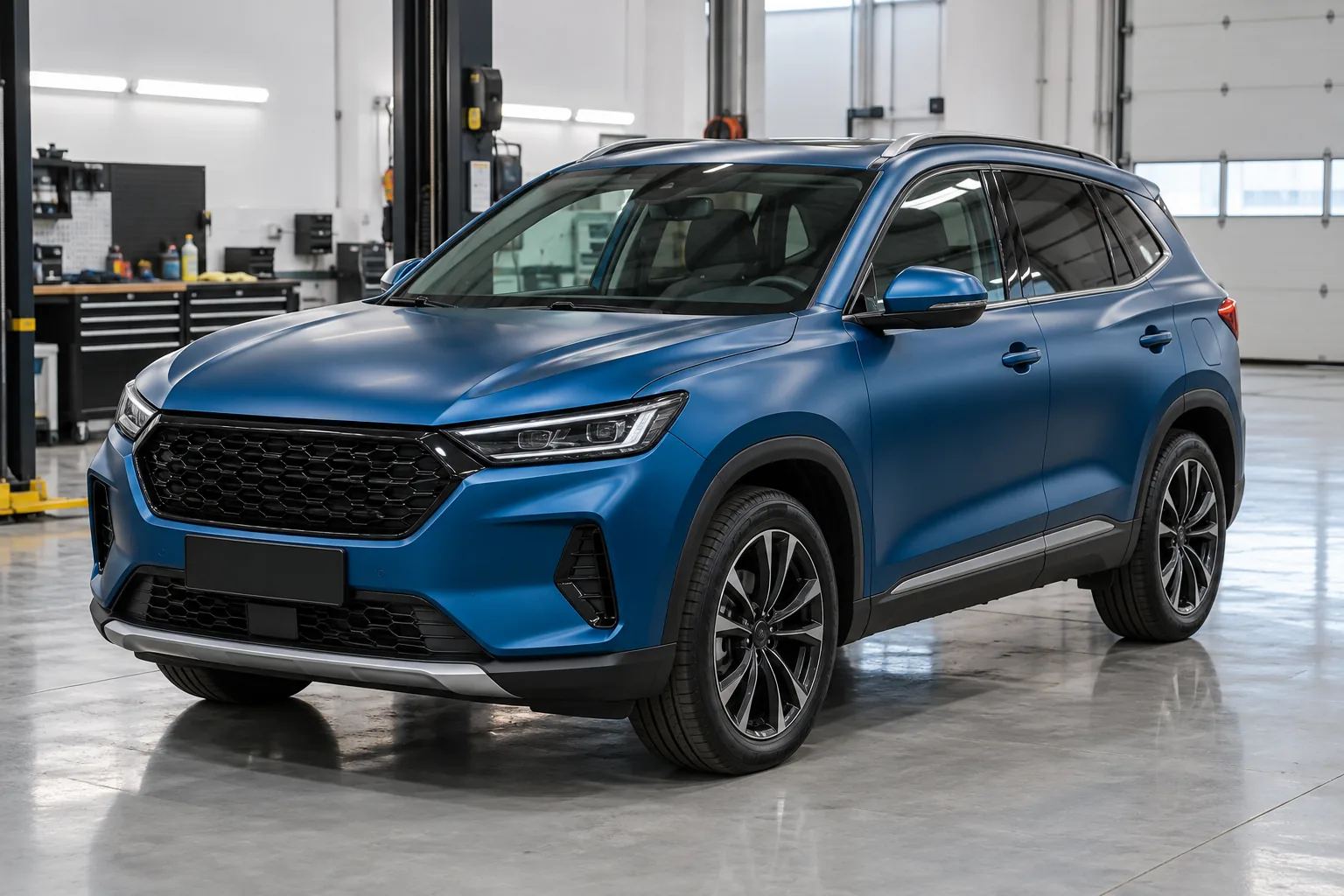
Separate colour changes from vehicle advertising
A personal colour change and a business advertisement raise different questions. One concerns the vehicle’s recorded appearance. The other concerns the message displayed on the vehicle.
A branded wrap can involve both. Permission to advertise does not, by itself, settle a colour change. Equally, permission for a new colour does not approve a company’s advertising artwork.
For Dubai-registered vehicles, RTA’s inspection guidance directs owners to Dubai Police for the colour-change permit. Plan that approval before changing the vehicle’s colour.
Start with the plate’s issuing emirate and the proposed work. Having the wrap fitted in Al Quoz does not make the Dubai procedure applicable to every UAE-registered vehicle.
| Proposed work | What to establish |
|---|---|
| New exterior colour | The colour-change permission and registration-update route |
| Business logo or advertisement | The applicable advertising permit and approved artwork |
| Colour change with business graphics | Both approval tracks |
| Clear protective film | Whether the proposed product actually changes the recorded appearance |
| Roof accent or multicolour design | How the authority will classify the complete proposed appearance |
Use this as a planning distinction. A workshop’s description of a job as partial, removable or decorative does not decide its regulatory category.
Describe the actual colour and covered panels
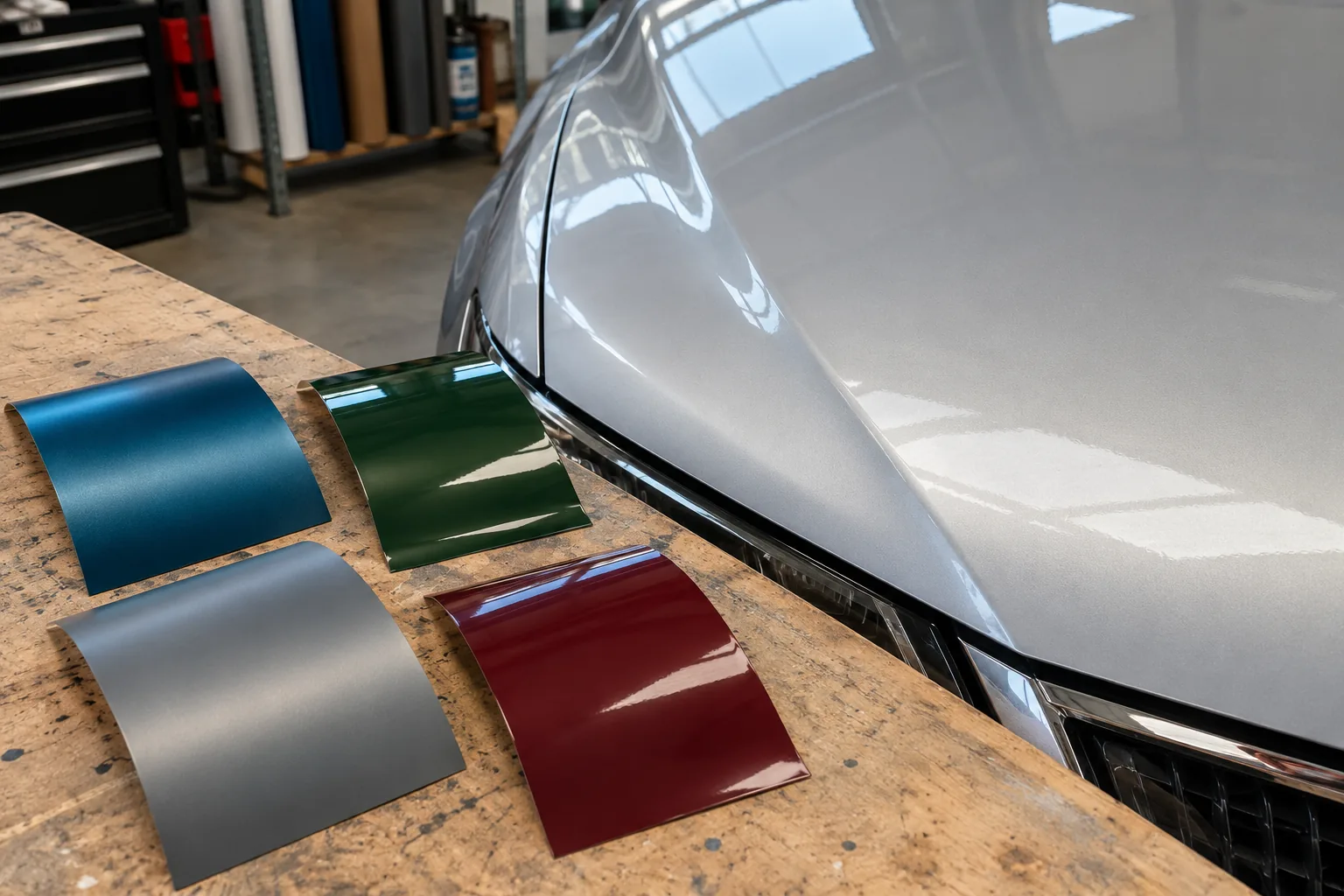
Bring the colour selection and coverage plan together. A blue body with a black roof is a different proposal from blue film covering every exterior panel.
Write down the main colour, any second colour and the panels receiving each film. Include a contrasting bonnet, roof or printed side graphic where relevant.
For satin, metallic, pearlescent or colour-shifting film, a sample and clear photographs communicate more than an online thumbnail. Lighting can make the same sample look quite different.
Do not assume that matte or gloss creates an exemption. The important question is the proposed change to the vehicle, not whether the film has a familiar finish.
Similarly, coloured paint protection film can change appearance even though it is sold as protection. Identify the actual colour effect rather than relying on the product category.
If you are choosing a colour-changing wrap, settle the proposed shade before reserving the fitting dates. A later colour substitution can make the earlier description inaccurate.
For a small roof accent or two-tone design, submit the complete proposal and ask how it should be recorded. Do not rely on a generic percentage exemption from an online article.
Prepare a clear request before booking installation
Keep your Emirates ID, vehicle ownership details and proposed colour information ready. The live application determines the documents and photographs required for your particular request.
Use the registration details exactly as recorded. A mistaken plate code, old ownership record or different vehicle can create avoidable confusion when the request and finished car are compared.
Take clear current photographs in ordinary light. Show the vehicle rather than a cropped sample of its paint. Keep reflections, shadows and background distractions from hiding the existing colour.
Separate current photographs from a proposed mock-up. The first shows what exists now. The second explains what you want installed. A digitally recoloured picture should not masquerade as the current vehicle.
For a company, leased or financed vehicle, establish who can authorise the work before paying for film. Permission from the registered owner and permission from a public authority serve different purposes.
A useful project folder contains the current vehicle details, chosen sample, coverage drawing, submitted application, authority response and workshop quotation. Keep personal identity documents out of casual design-sharing groups.
Send a simple project brief to the workshop. Include the vehicle model, issuing emirate, proposed colour and any branding. This lets fitting and administrative stages be planned together.
Follow the Dubai colour-change sequence
For an already registered Dubai vehicle, deal with colour-change permission first. RTA identifies the Dubai Police criminal-investigation permit route in its colour-change guidance.
The sensible sequence is to agree the proposal, receive the necessary permission, complete the approved change, then arrange inspection and amend the ownership record.
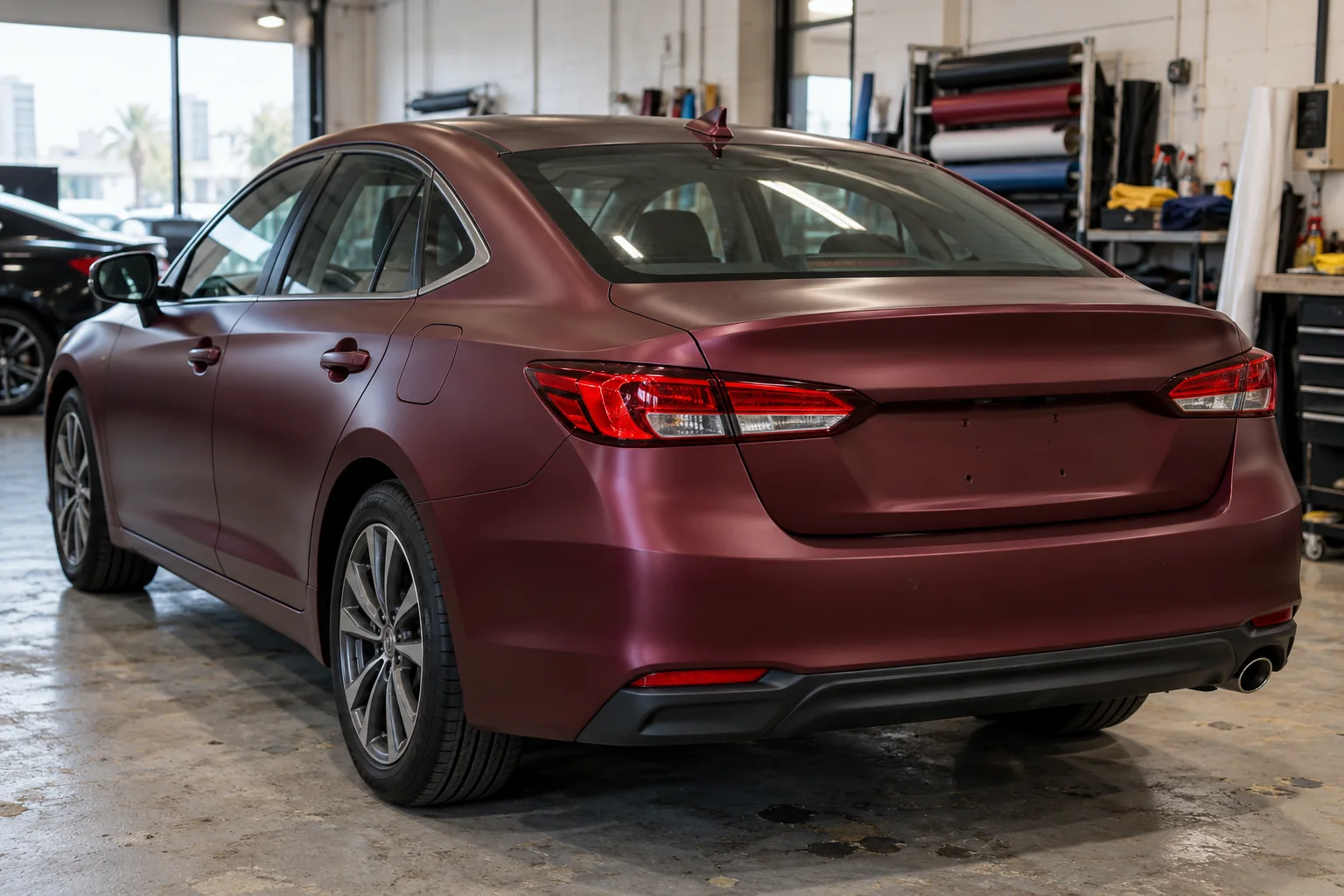
An application receipt is not the same as an approval. Read the response and its conditions before authorising the workshop to begin. Use the validity or completion window stated on the actual document.
Keep the workshop brief aligned with that response. If you change the shade or add a second colour, resolve the revised proposal before fitting rather than trying to explain it afterwards.
Once the change is complete, RTA’s ownership amendment service requires inspection before the colour-change amendment. The updated vehicle licence records the revised information.
Ask the inspection centre which inspection type applies to your request. A colour-data check and an annual registration renewal should not be treated as identical bookings without checking the service scope.
Retain the inspection result and amended licence together. Check the vehicle and colour details before leaving the process. Correcting an administrative mismatch is easier when the relevant records are available.
Unregistered imports are a different case. RTA describes a separate route for vehicles with customs cards. Ask about that process before applying the procedure intended for an already licensed vehicle.
Budget for each fee as a separate charge
The colour-change permit, inspection, registration amendment and film installation are separate items. An advertising permit can add another charge. A single advertised approval price may cover only one stage.
RTA currently lists AED 170 for an individual ownership-data amendment. That includes AED 50 for the new certificate, AED 100 for the amendment and AED 20 Knowledge and Innovation fees.
| Service and scope | Listed charge |
|---|---|
| RTA ownership-data amendment | AED 170 |
| Annual commercial front-door logo and trade-name permit, excluding glazing | AED 270 including the listed AED 20 fee |
| Annual partial advertising wrap on a light vehicle or bus up to 16 passengers, excluding windows | AED 520 including the listed AED 20 fee |
| Annual complete advertising wrap on the same vehicle category, excluding windows | AED 1,020 including the listed AED 20 fee |
The advertising amounts are published by Mada Media. They are permit charges, not Wrapping.ae installation prices. Other vehicle categories and event permits have different tariffs.
Confirm the Dubai Police permit charge in the live service before payment. Inspection and optional delivery are additional. These figures should not be added into a supposed all-inclusive colour-change total.
RTA’s corporate amendment service also lists an optional AED 500 advertisement-sticker charge. Establish whether it applies to your transaction before budgeting a fleet update.
Ask for the fitting quote separately, with covered panels, film, removal work and VAT clearly identified. If administrative assistance is offered, its charge and included tasks should also be stated.
Prepare business graphics for the advertising route
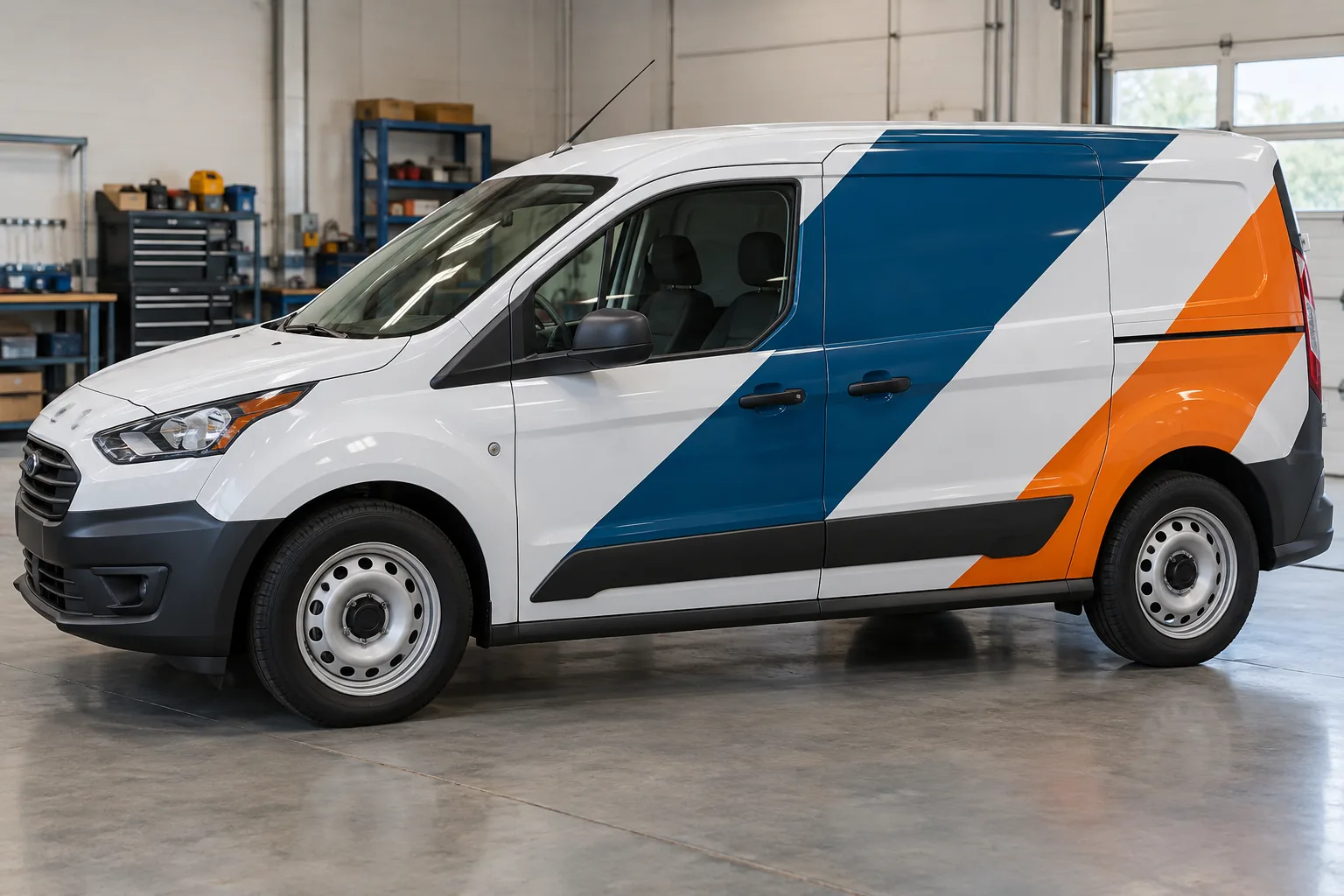
For vehicle advertisements, Mada Media’s current service uses RTA account credentials. Its document list includes a four-side design mock-up and the relevant Dubai trade licence.
The current conditions require at least half the advertising content to be Arabic. The Arabic trade name must match the relevant licence and vehicle ownership information.
Treat the mock-up as the proposal that will actually be printed. Show the front, rear and both sides, including areas intended to remain plain.
Keep the legal business identity, contact wording and activity description consistent throughout the artwork. A marketing nickname can create confusion when it appears to identify a different business.
For commercial vehicle wrapping, prepare a vehicle list alongside the artwork. Record each vehicle’s registration details and the design revision assigned to it.
An approved idea for one vehicle should not be treated as unlimited permission for every future vehicle or campaign. Check the scope of the actual permit and application.
Decide who handles artwork revisions, submission, payment and the final record. Clear responsibility prevents a fleet from being printed while everyone assumes somebody else has dealt with approval.
Check advertising content before the final print
The published advertising conditions exclude windscreens and barcodes. They also restrict country flags, religious symbols, smoking imagery, real-person images and certain other visual content.
Use those restrictions when preparing the first design. Removing a prohibited element from a digital file is simpler than remaking laminated graphics after installation.
Do not carry a general marketing suggestion straight into vehicle artwork. A QR-style code, portrait or campaign symbol needs to be assessed against the applicable design conditions.
Keep advertising rules within their scope. They concern the vehicle-advertising service. They should not be rewritten as an invented universal list of prohibited paint colours.
For reflective, chrome, fluorescent or colour-shifting proposals, describe the actual finish and submit a representative sample. Do not accept an installer’s verbal statement as a substitute for the relevant authority’s decision.
Avoid designs that could be mistaken for official or emergency-service markings. If a proposal depends on that resemblance, choose a different design rather than assuming decorative intent resolves the concern.
Keep the final approved artwork identifiable by revision. Compare the production file with that revision before printing, particularly if a telephone number, logo or background colour has changed.
Keep visibility and vehicle functions clear
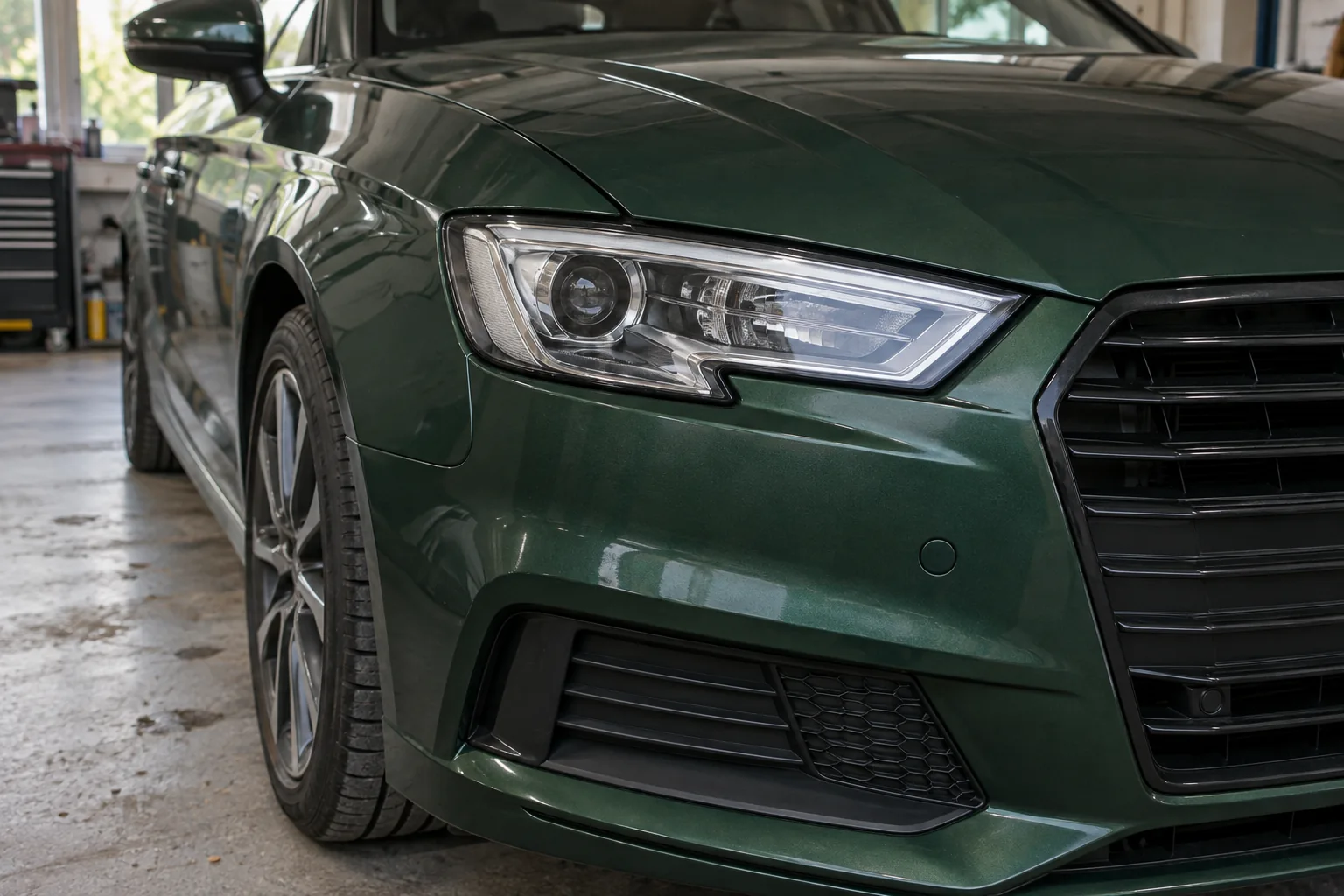
Lay out the film around number plates, lights, glazing, cameras and sensors. Treat these as working features to keep clear, rather than spare space for a larger design.
Check the vehicle with doors open and closed. Text that crosses a sliding-door gap or rear-door split may become unreadable, while a design placed over an access point can complicate normal use.
Leave handles, charging access, fuel access and required identification readable and usable. A colour-change discussion does not replace the checks needed for these individual features.
Window advertising, window tint and lamp film are separate proposals. Do not assume that permission for body-panel vinyl authorises covering the windscreen or changing the operation of lighting.
At handover, inspect the installed coverage against the agreed layout. Confirm that the correct film has been fitted and that moving parts, lights and cameras still work as intended.
This is a practical installation check. It does not turn a workshop handover into an official inspection, and an attractive finish does not replace the required administrative stages.
Allow for ownership and emirate differences
A rented vehicle needs the leasing company’s NOC for advertising stickers under the published advertising conditions. Get that permission before committing to the printed design.
For other ownership arrangements, read the vehicle agreement and establish who can consent to wrapping or removal. Finance, lease and company policies should be checked rather than assumed identical.
If the advertisement concerns real estate, the published conditions call for a Dubai Land Department NOC. Resolve that additional requirement while the artwork is being prepared.
For vehicles registered outside Dubai, use the licensing authority for the issuing emirate. Do not reuse Dubai fees, application steps or document names as a UAE-wide guarantee.
Tell the workshop when registration and fitting take place in different emirates. This affects who you contact about the records, even if the film and installation method are the same.
For unusual vehicle categories, event campaigns or mobile advertising, ask which permit applies. The standard light-vehicle tariff should not be used simply because a promotional installation is called a wrap.
Plan for renewal, replacement and eventual removal
The material’s useful life and the permit’s validity are different clocks. A film still looking good does not extend an advertising permit or the conditions of a colour-change approval.
Read the expiry date and renewal instructions on the issued record. Set a reminder early enough to prepare any revised artwork or documents without disrupting vehicle availability.
For a campaign, plan removal as part of the original booking. Decide whether the vehicle returns to its underlying colour or receives a new design afterwards.
When removal or replacement changes the vehicle’s appearance again, ask about the permission and record-update route before work begins. Do not assume that an earlier approval covers every future change.
Retain the fitted-film reference and the final artwork. If an accident damages one door, these records help identify what needs replacing and whether the repaired design differs from the approved version.
At sale or lease return, state whether the film remains on the vehicle. Keep the ownership description aligned with the actual appearance and provide the next owner with relevant fitting records.
Tell your insurer about the proposed change and ask how the wrap itself is treated. Regulatory approval does not establish insurance cover for the film, its replacement cost or every possible claim.
Resolve missing approvals without inventing a shortcut
If the car is already wrapped and the records have not been updated, explain the current position to the relevant authority. Keep photographs, workshop details and any earlier application available.
Do not describe a completed installation as a proposed change or alter dates to make the paperwork appear consistent. Ask what corrective steps apply to the actual situation.
If an application is rejected, use the stated reason to revise the proposal. A colour-description issue, missing document and advertising-content issue require different responses.
There is no single fine figure that accurately describes every wrap-related issue. The offence and applicable authority matter. Use an actual official notice rather than a blanket penalty range from a workshop article.
A workshop can explain the installation and provide project details. It cannot guarantee an authority’s approval, erase a violation or decide an insurer’s response.
Common questions about car wrap regulations
Do plain matte or gloss wraps avoid colour-change approval?
Do not assume so. A familiar finish does not settle the colour-change question. Describe the actual proposal and follow the issuing authority’s approval route.
Does an advertising permit also approve a new colour?
The two permissions address different matters. A design that changes colour and carries advertising can need both tracks, followed by the relevant vehicle-record update.
Can I wrap only the roof without asking?
Describe the roof accent and the complete vehicle appearance to the authority. Do not treat a generic percentage rule or the word partial as an automatic exemption.
Does AED 170 cover the whole colour-change process?
No. The listed amount is the RTA ownership-data amendment charge. Police permission, the applicable inspection, installation and optional delivery are separate items.
Can I put a barcode or QR code on vehicle advertising?
The published vehicle-advertising conditions exclude barcodes. Have the proposed code assessed before printing. A general marketing recommendation does not establish permission for vehicle use.
Are temporary wraps exempt from the process?
A short planned installation period does not, by itself, establish an exemption. Check the permit category and actual validity conditions for the proposed work.
Can a workshop guarantee that my wrap will be approved?
No. The relevant authority decides the application. The workshop can help explain the colour, coverage and fitting plan, but its quotation is not a permit.
Should I tell my insurer about the wrap?
Discuss the change with your insurer and retain its response. Ask whether the film and its replacement cost are covered under your particular policy.
Discuss the proposed wrap
Bring the colour and coverage plan together
Send your vehicle model, registration emirate, chosen colour and any business artwork. Our Al Quoz team can discuss fitting, coverage and the installation quotation.