
Check the paint before the film
Can PPF Be Applied Over Repainted or Damaged Paint?
Paint protection film (PPF) may suit a sound, fully cured repaint if the selected film allows the application and a qualified installer accepts that panel after assessment. Chips, dents and peeling clear coat need separate decisions before fitting. Clear film does not restore missing paint, flatten damage or secure a failing coating.
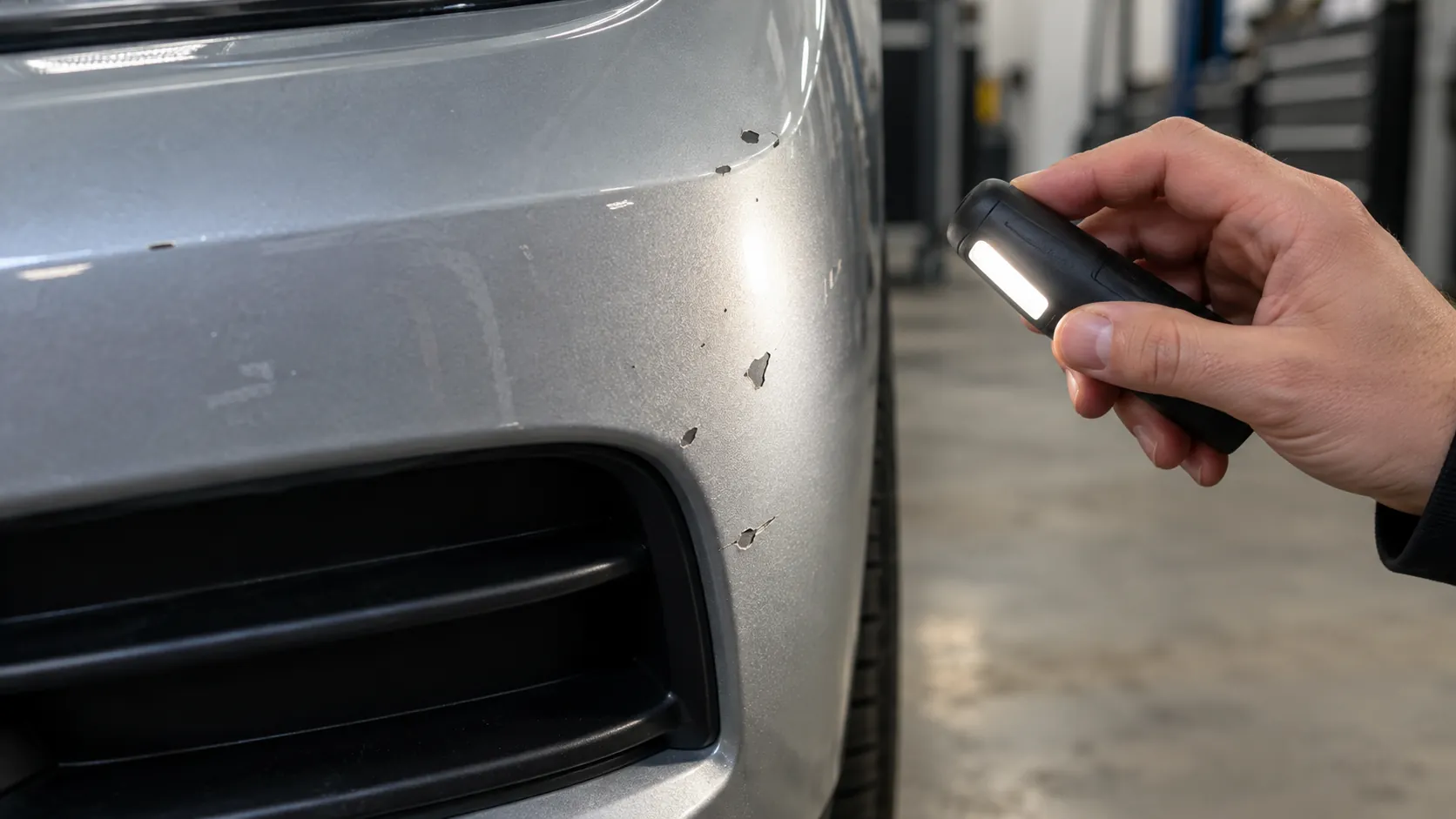
Give every panel its own decision
A car can have factory paint on the hood, a repaired bumper and a door with an unknown repaint. Calling the whole vehicle “original” or “repainted” hides the detail that matters. Start with the surfaces you actually want covered.
Paint condition, repair history and the selected film’s requirements belong in the same assessment. A shiny surface is encouraging. It is not proof that every layer underneath is securely bonded.
Assess for fitting
Sound paint with no unresolved repair or cure issue can move to product checks, appropriate preparation and final installer acceptance.
Defer the panel
Pause for repair, missing repaint information or cure confirmation. Protecting other suitable panels may still be possible.
Decline the surface
Do not fit film over actively peeling, loose or otherwise unsuitable paint. Reassess only after the underlying issue is resolved.
| What is on the panel | Useful next step | What remains uncertain |
|---|---|---|
| Apparently sound factory paint | Inspect, identify contamination and prepare as the chosen film requires. | Factory origin does not guarantee a defect-free surface or damage-free removal. |
| An older, sound repaint | Review available repair details and obtain a panel-specific fitting decision. | Age alone does not prove adhesion between paint layers. |
| A recent repaint | Confirm the actual paint system, curing process and supplier’s guidance through the refinisher. | Being dry enough to handle does not itself establish readiness for adhesive film. |
| A few stable stone chips | Choose between accepting the visible defects, suitable touch-up or a repair assessment. | Clear film cannot replace missing paint or guarantee an invisible touch-up. |
| A dent with intact paint | Assess repair options before fitting if the shape bothers you. | Film follows the panel contour and does not flatten a dent. |
| Dull or oxidized paint | Diagnose whether safe correction is possible or the coating has failed. | A dull appearance alone does not identify the depth or cause. |
| Peeling clear coat, loose paint or corrosion | Defer film and obtain an appropriate repair assessment. | Film cannot restore adhesion or stop an unresolved corrosion problem. |
The table guides the conversation. It is not a remote approval to cover a panel from a photograph. Use the PPF service page for film and coverage options once the surface decision is clear.
Bring the repair story before the quotation
Tell the installer about known repainting, collision repairs, touch-up work, previous film and coatings. Include work completed before you bought the car if you have records. Missing paperwork is common on used cars. Say what you know and mark the rest as unknown.
- Identify the repaired panelA bumper respray should not become a vague note saying the car had some paintwork.
- Bring the repair invoice or job sheetLook for the refinisher, completion date, repair scope and paint products where recorded.
- Keep relevant photographsImages before and after the repair can explain the damage and the areas worked on. They do not prove the repair quality by themselves.
- Disclose current treatmentsTell the installer about ceramic coating, wax, sealant or old adhesive film so preparation can be planned appropriately.
For a fresh repair, ask the painter to provide the paint-system information directly if necessary. “It was baked” is useful background, but incomplete. The actual process and the applicable product instructions still matter.
If the history is unknown, record that uncertainty instead of describing the panel as factory paint. A missing invoice does not prove a poor repair. It does mean the installer has less evidence and may need advice from the film supplier or may decline that panel.
A specific answer about one repaired bumper is more useful than a reassuring promise about the whole car.
You can send panel photos before visiting the workshop. Use daylight, include the whole panel and add a close view of the defect. That helps plan the appointment. It cannot establish paint adhesion, full cure or a final fitting price on its own.
Understand what an inspection can and cannot establish
An assessment should examine a clean surface under suitable lighting. Chips, peeling boundaries, sanding marks, overspray and differences in texture can guide further questions. The installer also needs to consider edges and repaired areas where the film will end.
Useful information
Visible condition, repair documents, suitable paint-thickness readings and the refinisher’s guidance can help build a panel record.
Limits to acknowledge
A normal-looking finish or a single meter reading cannot certify adhesion between all paint layers or confirm chemical cure.
A paint-thickness gauge is a measurement tool, not a pass certificate. DeFelsko’s automotive measurement guidance explains that conventional gauges typically measure the total coating over compatible metal. Measuring plastic bumpers or separating individual layers requires suitable equipment and methods.
A higher reading may justify investigating previous repair. It does not tell you whether that repair is good. Equally, a thin reading should not become permission to polish harder or an automatic diagnosis without context.
Ask which checks the installer proposes and what each result can establish. Any procedure that might mark or disturb the finish needs your informed agreement first. Do not try an improvised tape pull on your repaint to test it at home.
Choose preparation that matches the defect
The aim is a suitable surface with an appearance you accept. That does not mean every car needs aggressive polishing, and it does not mean every small chip justifies repainting an entire panel.
Correction for defects within a sound finish
Where the paint condition allows it, controlled correction can improve certain surface defects before film makes them harder to access. Correction removes some material. It cannot replace missing clear coat, rebuild a chip or secure a layer that is peeling.
Use a paint correction assessment to decide what improvement is sensible. Factory matte and satin finishes need their own care plan. Ordinary gloss polishing can change their appearance.
Touch-up for selected chips
A suitable touch-up may improve an isolated chip, but its shape and color can remain visible through clear PPF. The repair also needs to be stable and ready for film under the applicable paint and film instructions.
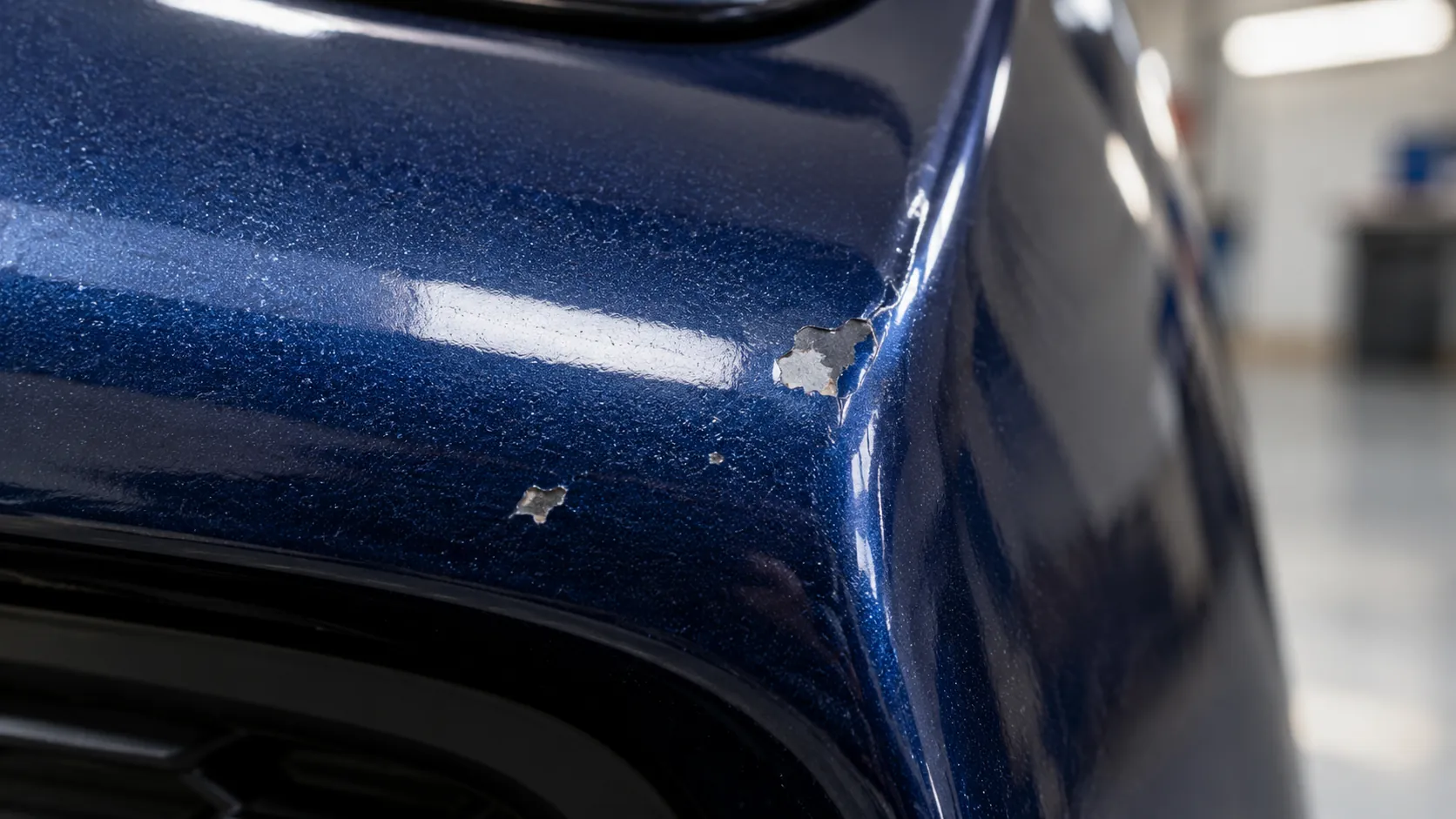
Look at the repaired area before authorizing coverage. If a faint repair mark would bother you every time you wash the car, settle that expectation now. Clear film should not be sold as a way to make missing paint disappear.
A small, stable chip is different from a loose paint edge, spreading damage or exposed corrosion. Have the installer assess the defect and surrounding paint before deciding whether it can remain. Do not treat film as a temporary repair for an unstable surface.
Dent repair before covering the shape
A specialist may consider paintless dent repair where the dent, access and paint condition allow it. Other damage can need conventional body repair. PPF is not a filler, and changing from clear to colored film does not make the surface flat.
Refinishing for a failed coating
Peeling clear coat, loose paint and unresolved corrosion call for a repair decision. A car painting assessment can establish the affected area and suitable repair process. Film comes later, if the repaired surface becomes eligible.
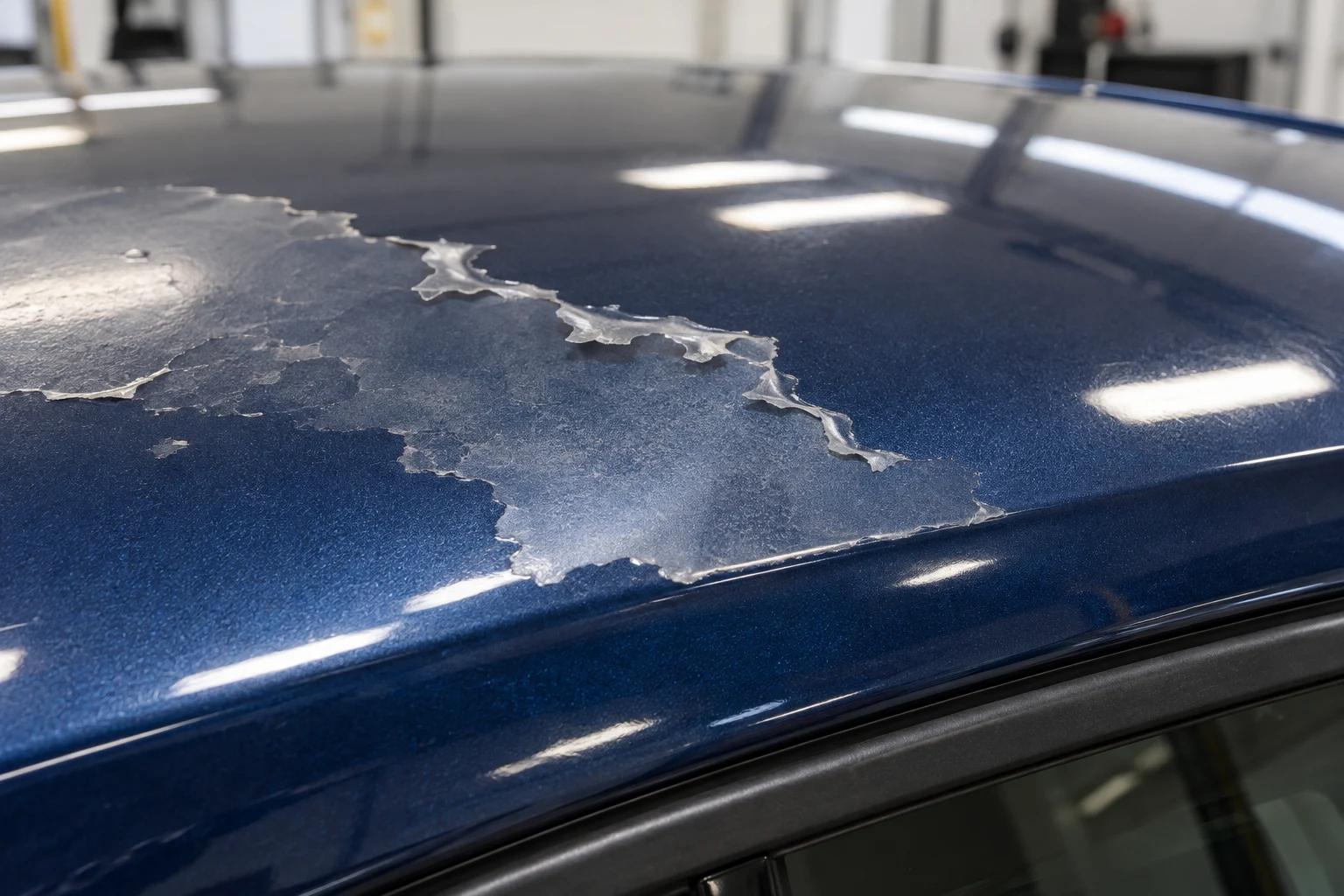
Leaving a marginal panel unfilmed is a valid outcome. Spending on PPF should not pressure you into an unnecessary repaint or an installation the surface cannot support.
Confirm repaint readiness with the actual paint system
There is no single waiting period this guide can safely apply to every repaint. A date on the repair invoice is only one piece of the decision.
3M’s January 2023 PPF FAQ directs installers to the paint supplier’s recommendations for repainted vehicles. Its description of a common waiting practice is not a substitute for instructions covering your actual repair.
Ask the refinisher to confirm the products used, the cure process completed and the paint supplier’s position on applying adhesive film. The PPF installer should then check compatibility with the exact film and any application restrictions.
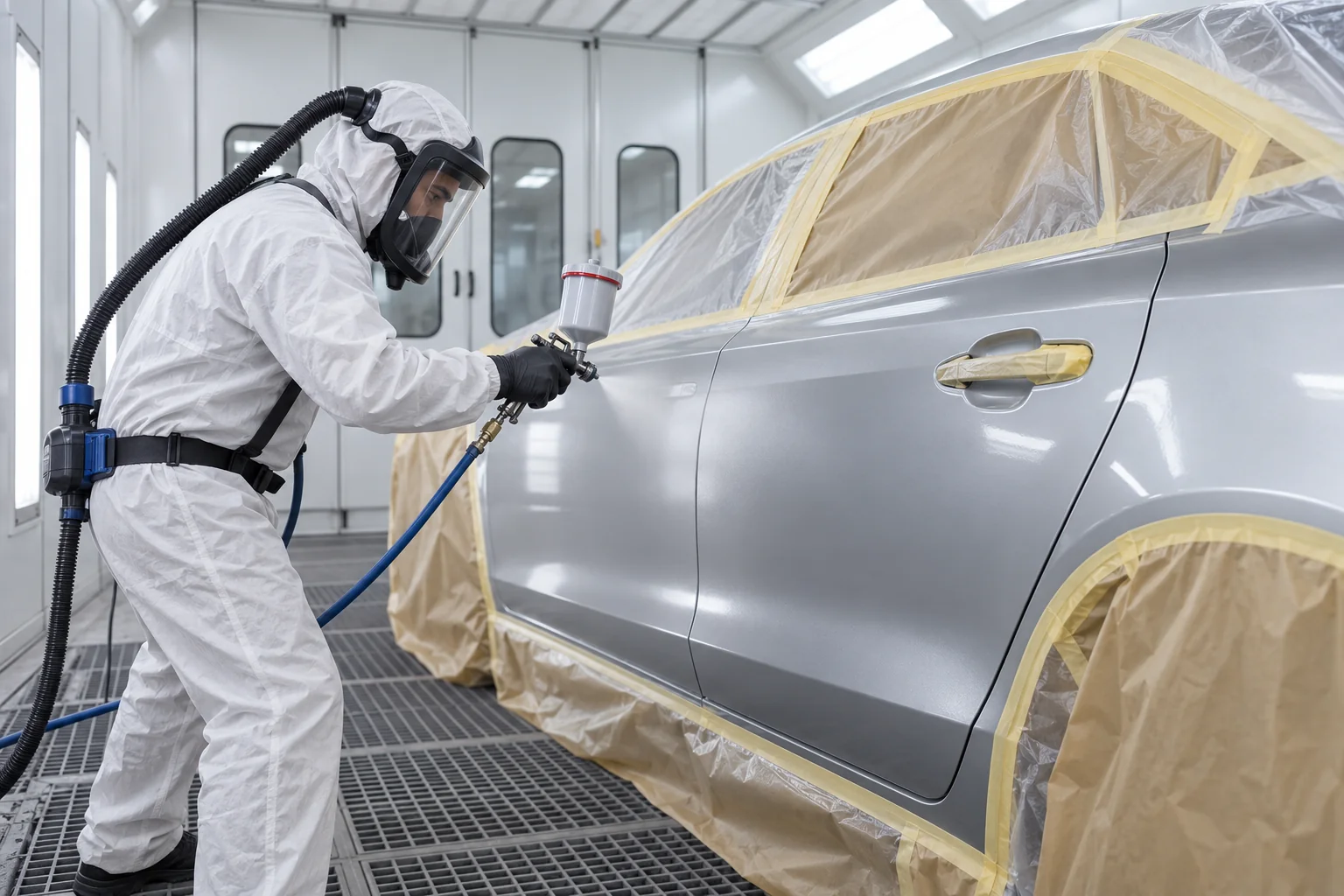
Touch dry, ready to assemble and ready for adhesive film answer different questions. If the refinisher can only confirm handling readiness, the film decision is still open.
| Record | What needs to be clear |
|---|---|
| Repair identity | The actual panel, repair completion date and scope, including blending onto adjacent panels where relevant |
| Paint system | The products used and the paint supplier’s instructions that apply to this repair |
| Cure and release | The process completed, any remaining conditions, and confirmation relevant to adhesive film rather than handling alone |
| Film acceptance | The exact proposed film, whether the repaired substrate is permitted and the installer’s panel-specific decision |
The painter and film installer answer different parts of this record. If their instructions conflict, have them resolve the proposed application with the relevant suppliers. An appointment date should follow that decision, not decide it.
Do not try to shorten the process with improvised heating or extra time in the Dubai sun. If the necessary confirmation is unavailable, defer the repaired panel rather than treating a longer guessed delay as proof.
Separate installation suitability from warranty coverage
An installer’s willingness to fit film does not automatically extend the manufacturer’s warranty to every substrate. Ask about the product warranty, fitting workmanship and possible paint damage during later removal as separate points.
Avery Dennison’s North American application bulletin 4.30 illustrates the distinction. It describes warranted use on fully cured original-equipment paint and does not warrant damage-free removal from nonoriginal paint. It also directs installers to the paint manufacturer’s curing guidance for repair finishes.
That bulletin is a product and regional example, not a statement of every Avery product’s UAE coverage or another brand’s terms. Obtain the applicable written position for your chosen film and repaired panels.
- Name the surface limitationRecord which panels were repainted or remain uncertain rather than applying an unexplained blanket label.
- Explain the removal riskWeak or incompatible paint layers can lift when adhesive film is removed. A sound-looking repaint still needs a documented discussion.
- Keep the decision separate from consentA signature records understanding. It does not make peeling paint, incomplete cure or an incompatible surface suitable.
For later removal methods, use the separate professional film removal service information. This guide addresses the decision before fitting, when the repair history is easiest to preserve.
See how the decision changes from panel to panel
These are planning examples, not claims about completed customer jobs.
A used car with an unknown bumper repaint
The hood and fenders appear sound, but the bumper history is unclear. Record that uncertainty, assess the bumper separately and seek available repair details. The front package can be revised while the bumper decision remains open. Do not certify the entire car from a hood reading.
An older repaint with good records
The owner has the repair invoice and the finish shows no visible failure. The installer can assess the panel against the chosen film’s requirements and explain the warranty position. Several years of service is useful history, but it does not guarantee damage-free removal.
A hood with peeling clear coat
The owner wants film to keep the loose edges down. Decline that application and assess the paint repair first. Covering the failure would leave the underlying adhesion problem unresolved.
Keep a written decision before the car is fitted
Ask for a short panel record alongside the quotation. It should be understandable without a technician translating it later.
- Identify the panel and condition. Attach useful photos and distinguish confirmed history from unknown history.
- Record the preparation. Specify cleaning, coating removal, approved correction or repair work where needed.
- Resolve repaint readiness. Keep the refinisher’s confirmation and the relevant paint and film requirements.
- State the outcome. Mark the panel accepted after preparation, deferred pending a named action, or excluded.
- Keep the terms together. Record the film product, applicable warranty limits, removal-risk discussion and who approved the fitting decision.
If preparation exposes a new defect, pause and update the decision before fitting. A quotation should not become permission to cover a newly discovered problem.
Agree what happens if a panel is deferred
Keep assessment, paint repair and film fitting as distinct work items. Confirm any inspection or preparation charge already agreed, what work may continue on other panels and whether the revised coverage changes the total. Approve additional correction or refinishing before it starts.
At collection, keep the condition photos and the final list of fitted and excluded panels. Give that record to anyone assessing later film removal or paintwork.
Questions about paint readiness for PPF
Is a used car too old for PPF?
Age alone does not decide suitability. Assess the actual panels, repair history, finish condition and selected product. An older car can have sound paint, while a much newer panel can have a repair problem.
Can suitable panels be covered while one repair waits?
Potentially. Agree on a revised panel list, keep the deferred area excluded and confirm how later work will be handled. Check finish matching and any removal needed around the repaired area before staging the job.
Can PPF go over ceramic coating on a repaint?
Do not assume that combination is acceptable. Identify the coating and follow the chosen film’s surface-preparation requirements. The method used to remove or prepare the coating must also suit the underlying repaint.
Does paint bubbling after fitting prove the repaint was bad?
No. A raised area needs inspection to distinguish film or installation issues from an underlying paint problem. Photograph it and contact the installer. Do not puncture, peel or heat it yourself to diagnose the cause.
Protect sound paint after the uncertainties are resolved
A repainted panel is not automatically ruled out, and factory paint is not automatically approved. Make the decision from the surface condition, repair evidence and product requirements. If those do not support fitting, wait, repair or leave that panel outside the plan.
Technical sources behind the assessment
- 3M PPF FAQ on repainted vehicles and paint supplier guidance
- Avery Dennison application bulletin on paint condition and nonoriginal finishes
- DeFelsko explanation of automotive paint-thickness measurement
Reviewed October 8, 2026. Product documents have defined regional and material scopes. Confirm current instructions for the exact film and paint system being proposed.
Start with the paint history
Arrange a paint assessment before choosing PPF
Tell our Al Quoz team which panels were repaired, when the work was done and what you want to protect. Share photos and any repair documents so the inspection can focus on the right questions.