Home / Car tail light tint
Tail light appearance and removal in Al Quoz

Car Tail Light Tint in Dubai

Old film peeling, a cloudy lens, or a darker look in mind? We first check what is on the lamp and how every rear light function needs to work.

Send your model and a rear view photo for film removal or a suitability assessment in Al Quoz. A decorative finish is considered only for an appropriate, confirmed use. We do not promise that a tint is road approved or leaves visibility unchanged.

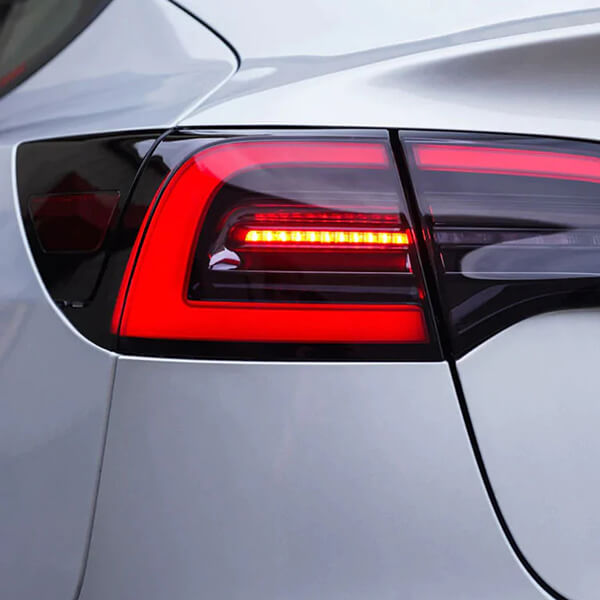
Close view of an illuminated rear lamp on a silver Tesla
A lamp’s appearance alone cannot establish its performance or road approval.
For a car used on public roads

Keep the original lamp specification unless the exact proposed modification has been accepted by the relevant authority. We cannot confirm a generally permitted tail light tint shade for Dubai or guarantee an inspection pass. Window tint allowances are not evidence that a lamp covering is permitted.

Choose the right outcome

Changing the look and protecting the lens are different jobs

A tail light wrap changes the lens surface. It does not repair a failed LED, cracked housing, water leak, or damaged reflector. Decide which problem you want to solve first.

Keep the original lighting

Original lenses and film removal

For a road car, retaining the original lamp specification avoids adding an unverified tinted covering. If old film is lifting, cloudy, or too dark, discuss removal and a lens inspection.

Removal can expose existing damage. Cracks, failed coatings, and electrical faults need separate attention.

Protection without a color change

Clear protective film assessment

Clear film is a different proposal from smoked tint. The exact product must be suitable for the lamp lens, its surface coating, and the intended application.

Clear appearance is not automatic approval. Product compatibility and local acceptance still need checking before fitting.

Decorative appearance

Smoked and colored finishes

Light smoke, dark smoke, and colored films alter appearance and can affect transmitted light. Matte black, white, or yellow film is not an approved road-use choice simply because it is sold for lights.

A display-only proposal is separate from a road-use service. Do not drive with an unapproved decorative lamp treatment.

Tail light tint prices in Dubai

Plan your budget, then get the exact total

Tail light work is quoted for the actual lamp sections, material, lens condition and intended use. Send a rear-view photo so we can distinguish the outer pair, inner sections and any light bar before discussing a payable AED total.

Get a price for your car

Tell us your make and model, and whether you need old film removed, a clear film assessment, or a decorative finish. A rear view photo helps us count the outer lamps, inner pieces, and any light bar. We will send the scope and final payable AED total before booking.

Call the workshopWhatsApp for my price

A written quote will state whether it covers one lamp, the outer pair, inner sections or a light bar; preparation and fitting; any removal or repair charged separately; applicable VAT at the UAE standard rate of 5%; and the final payable total. A price guide is not approval to use a tinted lamp on public roads.

Quoted separately

Removal and lens check

The price depends on the outer pair, any inner pieces or light bar, adhesive cleanup, and the exposed lens condition. Sprayed coating or a damaged surface needs separate assessment.

Quoted after product check

Clear film assessment

A clear film price follows confirmation of the named product’s lens compatibility and proposed use. The quote identifies covered sections, preparation, edge work, and care terms.

Subject to intended use

Smoked or colored film

We first check intended use and any required authority acceptance, then quote the named film and exact work. An unapproved decorative treatment is not for public roads.

What helps us price the job

Vehicle detailsMake, model, year, and whether it is a road car or display-only project.

Full rear viewOne clear photo showing the outer lamps, trunk sections, light bar if fitted, and reflectors.

Close-up, if relevantShow peeling film, adhesive, haze, cracks, or moisture. Tell us if the finish is film or a sprayed coating if you know.

Visibility matters in daylight too

Every rear light function needs to stay recognizable

A light that looks bright in a phone photo can behave differently in sunlight or from another viewing angle. A visual check can identify obvious problems, but it does not certify a modified lamp.

Lamp or componentWhat a covering can changeWhat that means for you
Tail and brake lightsLight output and the contrast between normal lighting and brakingDo not judge suitability only by how dark the unlit lens looks.
Turn signals and hazardsSignal color, output, and visibility from an angleA whole-lamp wrap may also cover a separate signaling section.
Reverse and rear fog lightsThe intended light color and useful outputCheck each function rather than approving a finish across the entire lens.
ReflectorsHow much light is returned toward another driver’s headlightsA reflector needs to work when the car’s lights are switched off.
Illuminated rear lamp showing separate light areas on a dark car
A rear lamp may contain separate lighting and reflector sections.

Check the lamp before choosing a finish

Ask to see the tail and brake light change, turn signals, reverse light, rear fog light if fitted, and reflectors. Lamp design varies by model, so a whole-lens film can cover more functions than expected. A workshop inspection can identify visible faults and the sections a proposed film would cover, but it cannot replace authority approval or photometric testing.

  • Tell us about warning messages, water inside the lamp, or a cracked lens.
  • For existing tint, inspect the exposed surface after removal before deciding on new work.
  • Any official acceptance decision remains with the relevant authority.

If a rear lamp is faulty or an existing covering makes your signals difficult to see, arrange an inspection and removal or repair advice. Do not rely on styling film to conceal damage.

Rear lamp sections beside the trunk seam on a red car
Separate lamp sections and panel seams affect the amount of work.
Already have tinted tail lights

Remove tired film before deciding on another finish

Peeling edges, trapped dirt, haze, or an uneven shade are reasons to inspect the existing covering. Adding another layer can hide the surface condition and further reduce light transmission.

Film removal needs a method suited to the plastic lens and its surface coating. Age, adhesive, previous repairs, and deterioration affect the time and risk. We should identify a sprayed finish before quoting because it cannot be peeled like a sheet of film. No removal method can guarantee that an already damaged coating will remain intact.

  • Check whether the finish is an adhesive film, sprayed coating, or part of the lamp itself.
  • Inspect cracks, loose edges, moisture inside the housing, and previous repairs.
  • Agree on removal and any residue cleanup before approving further work.
  • Check the exposed lens and each lighting function afterward.

Avoid scraping, aggressive solvents, or uncontrolled heat on a plastic lens. A sprayed finish or damaged lamp may need a different repair approach.

Decide after the lens is exposed

The clean lens may be suitable to keep as it is. If residue, coating failure, cracks, or moisture remain, request a separate repair or replacement recommendation before approving any new film.

From your first message to collection

Know what is being assessed and quoted

  1. 01

    Explain the goal

    Tell us the model and year, the result you want, and whether the car is used on public roads. A rear view and close-up help identify each lamp section.

  2. 02

    Inspect the lamps

    The lens condition, existing finish, separate lighting functions, and intended road or display use determine the next step.

  3. 03

    Agree on the work

    Review the coverage, material if applicable, total, exclusions, and expected collection time. Any fitting proposal remains subject to suitability and required acceptance.

  4. 04

    Review the result

    Check the finish and lamp operation, then follow the relevant care instructions. Workshop checks do not replace official inspection or approval.

Timing and aftercare

Old adhesive, multiple lamp sections, access, and lens damage can extend the job. Collection timing and any product-specific settling or wash restrictions should be agreed after assessment.

Use cleaning products approved for the fitted material. Avoid abrasive polishing and pressure washing directly at film edges. Have lifting, haze, or a noticeable change in lamp visibility checked promptly.

Materials and warranty terms

A brand name alone does not establish lamp compatibility. Ask for the exact product and its application guidance. For example, ORAFOL describes ORACAL 8300 for decorative glass and illuminated signage, which does not establish automotive lamp approval.

Any warranty should name the product, workmanship coverage, duration, exclusions, and claim process in writing. A film warranty is not a guarantee of road legality or inspection acceptance.

For a change to painted body panels, explore color change wrapping. Cloudy front lenses belong under headlight polishing and restoration, which is a separate service from rear light tinting.

Further guidance is available from RTA vehicle technical inspection and ORAFOL product application information. Neither source is an approval for a specific tail light modification.

Before you choose a finish

Tail light tint questions

Is tail light tint legal in Dubai?

We cannot confirm a blanket permission or a generally permitted shade for passenger-car tail lights. Keep the original lamp specification unless the relevant authority accepts the exact modification. A film seller’s claim or a window tint allowance is not enough to establish approval.

Will a light smoke film leave visibility unchanged?

That should not be promised. A tinted covering can reduce transmitted light and may change how signals appear. The effect depends on the film, lens, light source, viewing angle, and conditions. A visual check alone does not prove compliance.

Can I choose matte black or colored tail light film?

These are decorative finishes, not automatically suitable road-use options. Covering a functioning lamp or reflector can affect its purpose. Discuss the intended use first, and keep an unapproved display treatment off public roads.

How much does tail light tinting cost?

Removal, clear-film assessment and any suitable fitting are quoted for your actual lamp sections. Send the make, model, year and a rear-view photo to establish the scope. Your written AED total will include any applicable VAT and list separate repair or authority charges.

Can old tint be removed without replacing the lamp?

Adhesive film can often be removed, subject to the lens and coating condition. Sprayed tint, cracks, failed coatings, or damaged housings need separate assessment. Removing film does not repair an electrical or internal lamp fault.

Is clear film the same as tail light tint?

No. Clear protective film aims to protect the surface without a deliberate color change. It still needs a product-specific compatibility check and confirmation that the proposed use is acceptable. Body-panel PPF suitability should not be assumed to cover a lamp lens.

How long will the work take?

The team can confirm timing after checking the existing finish, lamp sections, and agreed work. Removal, damaged surfaces, and product-specific fitting requirements can extend the visit. There is no guaranteed same-day completion.

Can you guarantee an RTA inspection pass?

No. A workshop quote, installation check, or material warranty cannot guarantee an authority’s inspection decision. Where permission for the exact modification is not established, retaining the original lamp specification is the appropriate starting point.

Tail light advice in Al Quoz

Get the right next step for your rear lamps

Send your model and a rear lamp photo. We will explain whether film removal, a lamp repair, or a film suitability assessment makes sense, then quote the agreed scope before work starts.

Call the workshopWhatsApp us
Scroll to Top