
EV colour and protection
How to Choose an Electric Car Wrap
Choose automotive vinyl for a new colour or design, and paint protection film when stone chips are the priority. Your EV’s paint, cameras, sensors and charging flap determine how the film should be fitted.
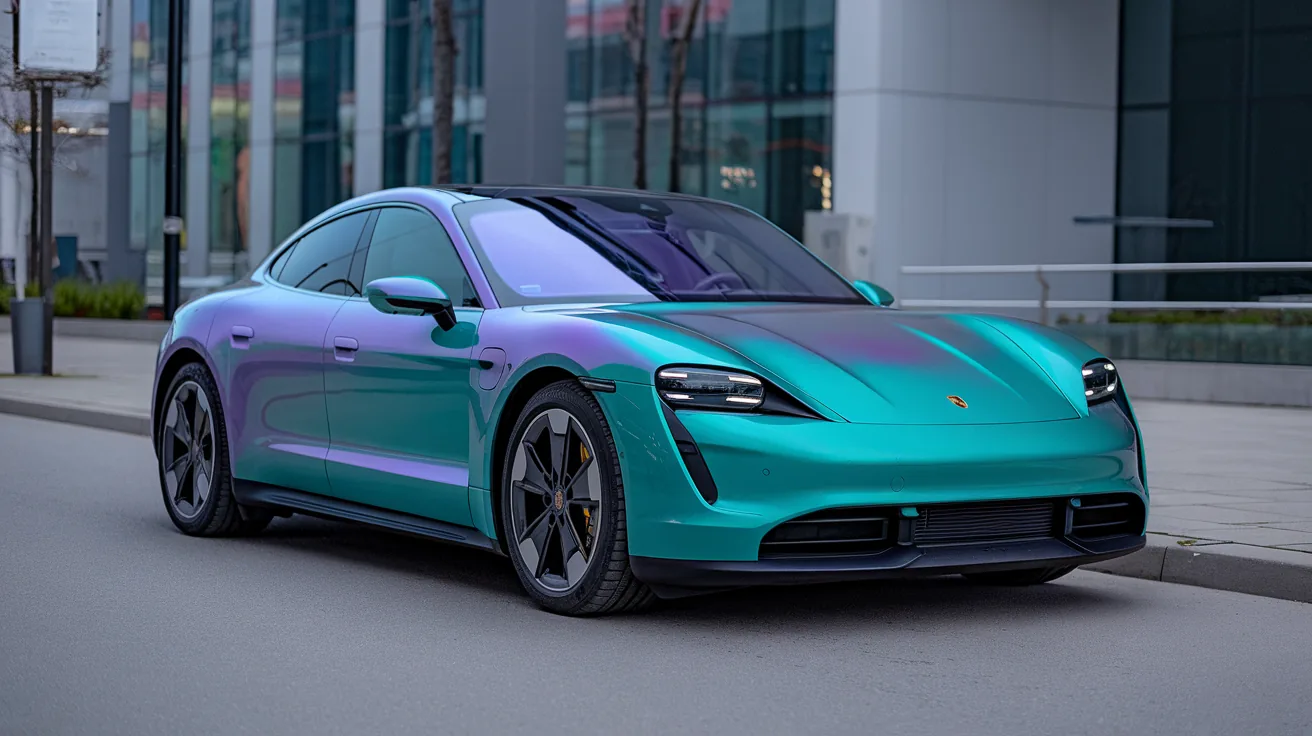
Choose the film for the job you want it to do
An electric car does not automatically need a special category of vinyl. It needs a suitable automotive film and an installation plan that respects the equipment fitted to that particular vehicle.
If you want your white EV to become green, a colour-change vinyl wrap is a sensible starting point. If you like the factory paint and mainly want a barrier against road debris, compare PPF instead. Coloured PPF can combine a different appearance with protection, but its product specification and price need a separate comparison.
| Material | Main purpose | What to check |
|---|---|---|
| Colour-change vinyl | A new colour, sheen or graphic design. It adds a film layer against light surface wear. | Do not buy it as a guarantee against stone chips or deep scratches. |
| Clear PPF | A protective film over suitable paint, usually retaining the original colour. | Coverage, topcoat properties and protection limits depend on the exact film. |
| Coloured PPF | A colour change using a specified protective film. | Available colours, finish, substrate suitability and regional warranty. |
| Ceramic coating | A surface treatment that can help with cleaning and water repellency. | It is separate from film and does not replace a physical barrier for chip protection. |
Cast automotive vinyl is commonly used around curved bodywork. A lower-cost calendered film may suit particular flat or shorter-term graphic applications, but should not be substituted into a complex full wrap without checking its intended use. Ask for the manufacturer, range and colour code rather than accepting only “premium vinyl” on the quote.
For a protection-led project, compare the coverage in our paint protection film service. That helps separate the film’s purpose from the colour you see in a photograph.
Agree any PPF layer before ordering the vinyl
If you want a particular vinyl colour and extra protection on the front, discuss the complete film combination at the start. 3M’s film compatibility guidance says PPF can be applied over wrap film, including accents and partial coverage. That does not establish that every vinyl, PPF adhesive and coated surface can be combined.
Ask which two products will be used, which panels receive both and what the supplier’s warranty covers for that application. Compare a finished sample because the outer film determines the visible sheen. A clear gloss layer may defeat the matte appearance you originally chose.
Also agree how a damaged panel would be repaired and whether removing the outer layer might require replacing the vinyl beneath. Do not assume a longer PPF warranty extends the life or warranty of the underlying colour film. Compare the total with a suitable coloured PPF option before paying for two separate installations.
Choose a finish you can live with every day
Gloss gives sharper reflections, satin softens them and matte has a flatter appearance. Colour-shift films change their apparent tone with the light and viewing angle. None of these finish names establishes how much heat the film rejects or how long it will last.
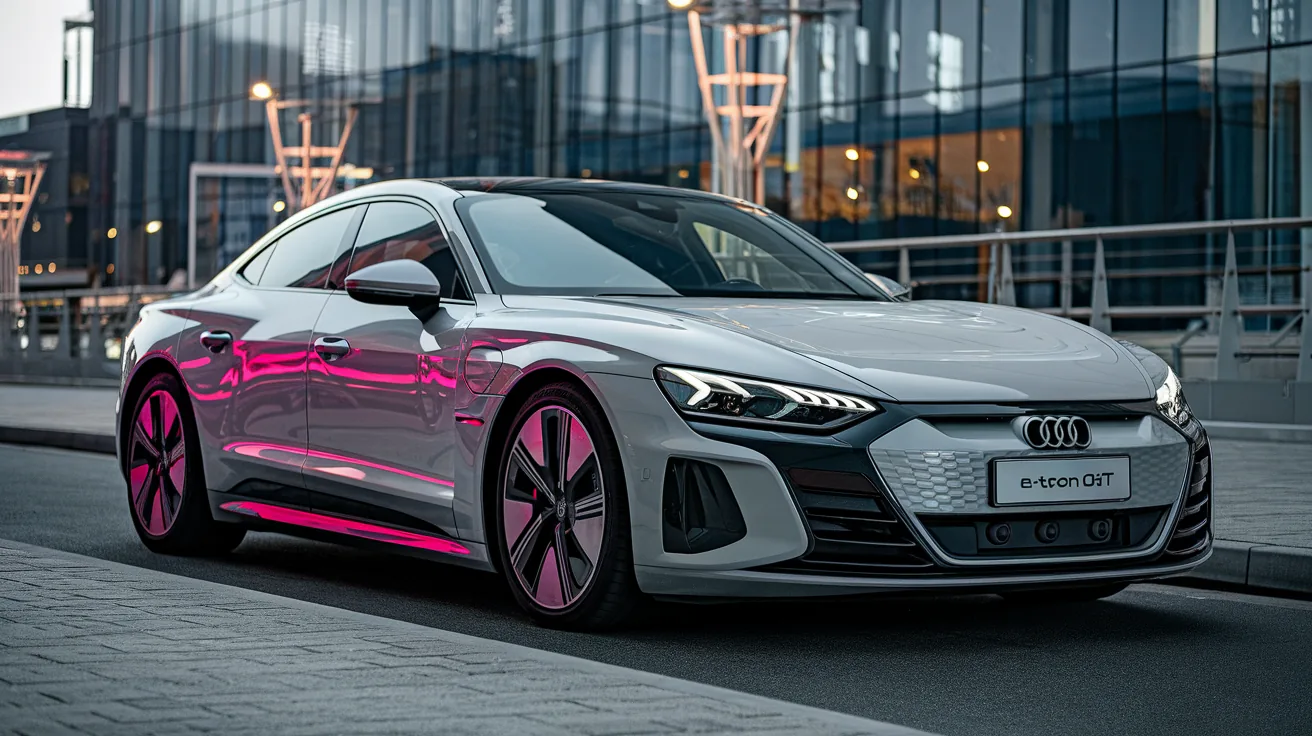
Look beyond the sample photograph
View a physical sample in sun, shade and workshop lighting. Move it over a gentle curve and compare it beside the trim and original paint that will remain visible. A phone screen can make a finish look brighter or more saturated.
Match the finish to your cleaning habits
Matte and satin surfaces need products that preserve their sheen. Do not assume they hide every mark or need less washing. Gloss vinyl also has its own care instructions and should not automatically receive the abrasive polishing used on paint.
Plan for a later panel replacement
Keep the product and colour reference. If one panel is damaged later, film availability, production batches and ageing can affect the match. A specialist finish is easier to choose when you understand that possibility first.
Keep directional films consistent across panels
Some metallic, matte and colour-shift films have an installation direction. Adjacent pieces need to follow the selected product’s layout instructions. Otherwise, a door and wing can appear to have different tones even though both came from the same colour roll.
Avery Dennison’s application bulletin identifies this requirement for its metallic, matte and ColorFlow Supreme Wrapping Films and recommends matching production batches. Ask the installer to record the batch and orientation with the colour code. At collection, view both sides of the car from several angles so you can distinguish the intended colour change from an inconsistent panel layout.
Choose it for appearance and the stated properties of the film. An ordinary exterior wrap is not a proven battery-cooling, charging-speed or driving-range upgrade.
Check the surfaces on your particular EV
A vehicle can combine painted panels, glass, smooth trim and textured plastic. Mark those surfaces on the coverage plan. A photograph with a black roof does not tell you whether the roof is painted, glass or already covered with film.
A panoramic glass roof needs a separate discussion from a painted roof accent. Do not treat an exterior colour-change vinyl quote as approval to cover the glass. Ask whether the proposed material and application are suitable for that specific roof and permitted by the vehicle and film manufacturers. If cabin comfort is the goal, discuss a suitable glass-film option rather than assuming body vinyl provides the same function.
Bare stainless-steel body panels, as on a Cybertruck, also need a substrate-specific assessment. A product being suitable for automotive paint does not automatically establish its adhesion, removal behaviour or warranty on exposed metal. Confirm the product documentation and applicable supplier terms before selecting the colour.
Textured unpainted trim should be identified as an exclusion unless the installer can support the proposed application. Decide whether it stays visible, receives a suitable separate treatment or changes the overall design. Keeping those decisions in the panel list prevents different quotes from appearing to cover the same job.
Keep cameras, sensor areas and charging access working
“EV safe” is not a substitute for checking the car. Tesla, BYD, Porsche, Hyundai and other manufacturers use different camera and sensor arrangements, and those arrangements can change within a model range. The installer needs the actual model, body revision and fitted equipment.
Camera lenses and their viewing areas must remain unobstructed. Radar may sit behind a bumper or badge, so a clear-looking exterior does not prove that an area is suitable for film. Follow the vehicle manufacturer’s restrictions on covering sensors and their surroundings. A metallic-looking colour name alone does not establish whether a product is compatible.
For example, Tesla’s current Model Y camera guidance shows a front camera above the grille with a washer nozzle and explains the need to keep camera views clear. Earlier vehicles can have different equipment, so use the manual matching the car rather than copying another installation.
Agree these areas before film is cut
- Camera lenses and washer outletsLeave an unobstructed view and working clearance around the installed components.
- Radar, lidar and parking sensors where fittedCheck the manufacturer’s exclusions before covering a bumper, badge or sensor face.
- Charge-port flap and connector accessFilm must not bridge the opening, foul a hinge or latch, cover indicators or enter the charging socket.
- Handles, lights and cooling openingsPreserve moving gaps and normal operation. A full exterior wrap does not mean covering every surface.
The outside of a suitable charging flap may be included in the colour change. Its perimeter needs a clean boundary so the flap can open and close without film rubbing or pulling. At collection, check the normal opening method and cable connection without forcing anything.
A camera picture on the screen is one useful check, but it does not certify the whole driver-assistance system. A warning, unusual parking response or disturbed sensor mounting needs assessment using the manufacturer’s procedures. Calibration depends on the equipment and work performed, rather than being an automatic requirement for every wrap.
The paint underneath decides how well the wrap starts
A wrap follows the surface below it. It cannot repair a dent, fill a stone chip or stabilise peeling clear coat. Inspect the paint in good light and record existing damage before any panel is covered.
Tell the installer about resprays, touch-ups, ceramic coating, wax, sealant and previous film. Recent paint repairs need the paint supplier’s cure guidance. Existing coatings and residue may require preparation before the adhesive can bond properly. Even a newly delivered EV deserves a surface inspection.
Ask how the shop will protect the paint when trimming around recesses and openings. Pre-cut patterns and knifeless methods can help in suitable areas, but the plan must match the car and chosen film. A planned inlay can be more sensible than overstretching one piece into a difficult shape.
Application temperature, forming heat and final post-heating are different stages. Their limits come from the selected film’s instructions. A temperature-controlled workspace helps manage those stages, but a universal temperature range should not be presented as suitable for every product.
Avery Dennison’s Supreme Wrapping Film application bulletin covers preparation, product-specific fitting conditions and checking vehicle components and sensors before delivery. Vehicle-specific instructions still govern any restricted areas.
Compare coverage and cost on the same terms
A full exterior colour change, a roof accent and a protective front-end package are different jobs. Decide which panels you want before comparing prices. Painted roofs, glass roofs, textured trim and door shuts should be identified separately in the scope.
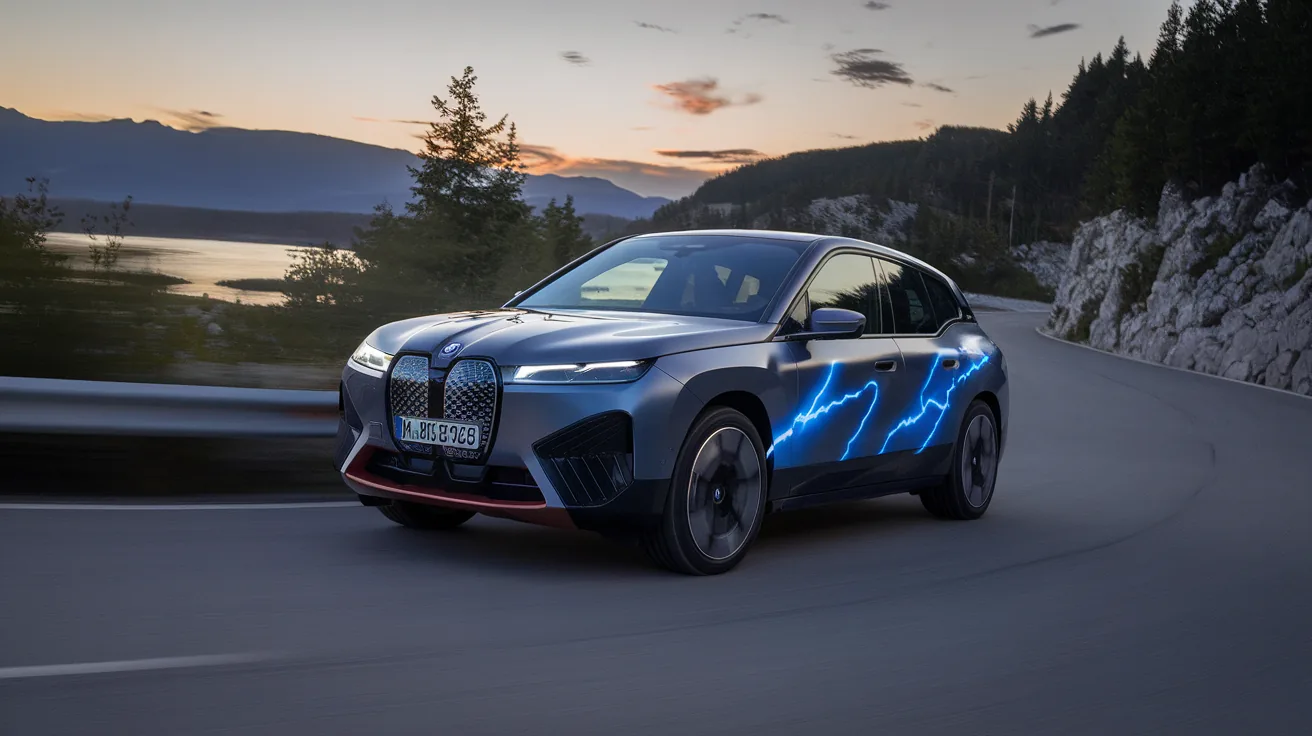
These are Wrapping.ae’s published exterior vinyl guide ranges, checked on 7 October 2026. They are planning figures by job size, rather than fixed prices for a particular EV. PPF, printed branding and specialist interior work need separate quotations.
| Work | Guide range in AED | Scope to confirm |
|---|---|---|
| Roof, bonnet or boot | 1,200–2,000 | One eligible painted panel and the chosen film |
| Full sedan exterior | 8,000–15,000 | Named exterior panels, edge treatment and finish |
| Full SUV or 4×4 exterior | 15,000–25,000 | Vehicle size, painted coverage and complex trim |
| VAT treatment is confirmed in the written quote. These published ranges do not specify whether VAT is included. Ask for the final VAT-inclusive total and identify preparation, old-film removal, door shuts and authority fees separately. | ||
The final amount can change with the exact film, bumper shapes, trim access, previous paintwork and old adhesive. Do not assume a vehicle costs more to wrap simply because it is electric. The panel area and fitting work need to explain the quote.
For a Tesla where protection is the main concern, our Tesla PPF coverage guide covers front protection and full exterior packages separately from decorative vinyl.
Keep the quotation useful
- Manufacturer, film range, colour code and finish
- Each included panel and any deliberate exclusions or visible joins
- Paint preparation, coating or old-film removal and agreed trim work
- Installation window, collection arrangements and any follow-up inspection
- Product warranty, workmanship support and the final total including VAT
For a Dubai-registered colour change, settle approval and registration requirements before fitting. RTA’s vehicle inspection guidance directs owners of licensed vehicles to obtain a Dubai Police permit. Check the current process for your registration and chosen finish. A wrap being removable does not make that step unnecessary.
Book time for fitting and a proper collection check
Allow the schedule to follow the job. A single painted panel needs a different appointment from a full colour change with old-film removal. Paint repairs, material availability, trim access and the film’s settling requirements can affect the collection date.
Agree which trim will be removed and how it will be refitted. Wrapping the exterior should not be used as a reason to access high-voltage equipment. Any work involving those systems belongs to appropriately qualified EV personnel following the vehicle manufacturer’s procedures.
Before drop-off
Photograph the paint and record any existing warnings or camera problems. Confirm the film and panels, disclose recent repairs, and agree access to the car plus charging arrangements if needed during its stay.
At collection
Review the colour in useful light, then look at accessible edges, recesses, seams and the charging flap. Check handles, lights, camera views and any components disturbed during fitting. Raise new warnings before accepting the car.
Before the first wash
Take the specific care sheet, first-wash timing and contact details for fitting concerns. Keep the invoice and film reference so a later repair or warranty enquiry can be traced to the installation.
If the charging flap catches, an edge lifts or a camera view looks obstructed, send clear photographs and arrange an inspection. Avoid trimming film with a blade or applying a heat gun around the affected area yourself.
Match care and warranty to the exact film
Dubai parking conditions matter, particularly on exposed horizontal panels. There is no single reliable lifespan for every wrap. The product, colour, panel angle, installation and care all affect how it ages.
3M’s wrap support information explains how exposure angle can affect warranty duration. Its US and Canadian warranty examples are not automatically UAE terms. Ask for the conditions that apply to the actual film supplied for your car and region.
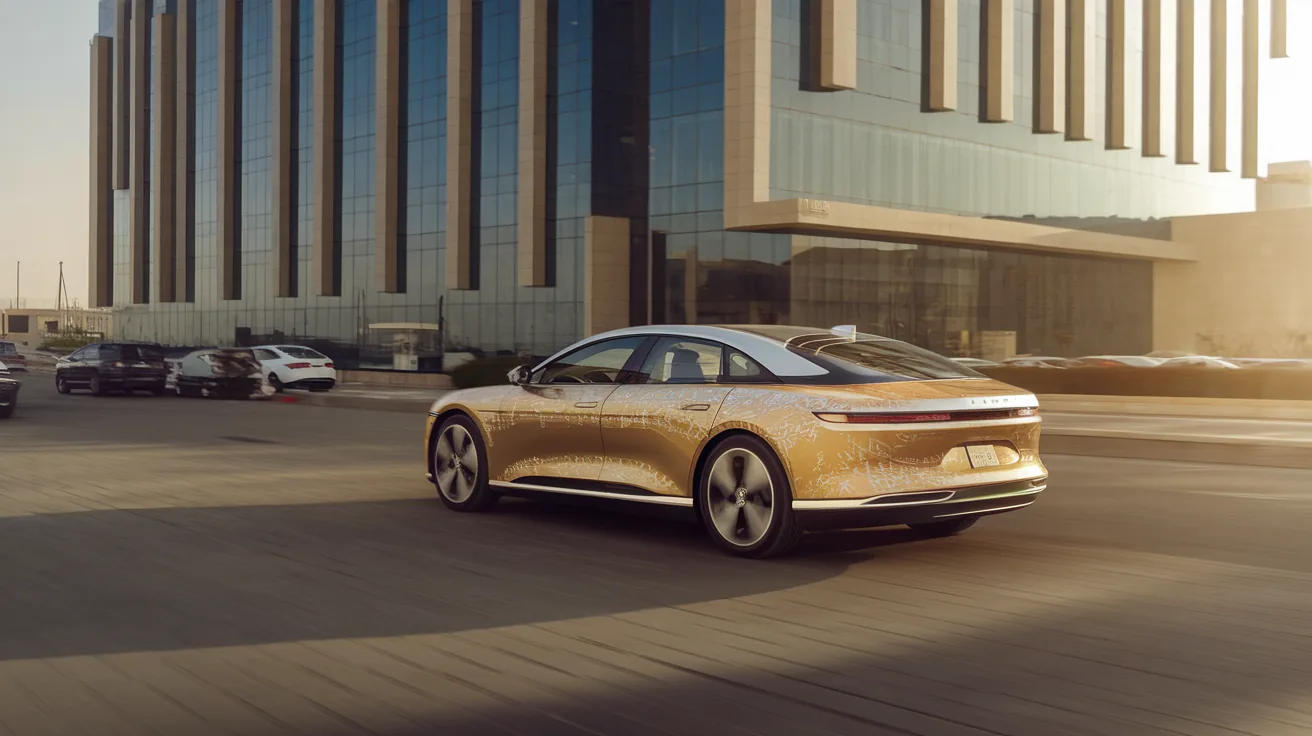
Rinse loose grit before washing, use soft clean materials and follow the approved cleaner instructions. Do not wipe dust off dry. Keep concentrated pressure-washer spray away from film edges and sensitive equipment. Ask before applying polish, wax or a coating, especially over a matte or satin finish.
Product warranty and workmanship support cover different things. Check the qualifying defects, duration, exclusions and whether removal or refitting labour is included. Damage from an impact is different from an adhesive or installation concern.
As the film ages, have cracking, lifting and difficult-to-clean areas assessed. Removal risk depends on the paint condition, film age and method. Repainted panels or failing clear coat need particular care. Removable film is not a promise that every painted surface will remain unaffected.
Plan the eventual removal as part of the purchase
Decide whether you expect to keep the colour until it ages, change it after a shorter period or return the vehicle at the end of a lease. Those plans affect the total budget. Ask for the basis of a future removal estimate, including existing paint repairs, old adhesive, trim access and disposal. A fitting price alone does not describe the whole ownership cost.
Keep the pre-installation photographs and panel-condition record alongside the film details. Before removal, have the installer assess the film and underlying paint history. If the surface is already cracked or brittle, agree the method and possible additional work rather than assuming it will lift in one piece.
For a lease return or sale, leave time to inspect the uncovered car and address any remaining residue or previously recorded paint defects. If you want another wrap afterwards, assess and prepare the surface again instead of treating replacement as an automatic cover-up.
Questions before wrapping an EV
Do electric cars need special non-conductive vinyl?
There is no universal requirement for a separate EV-only wrap category. Select a suitable automotive film and follow the restrictions for the car’s fitted cameras, sensors and surfaces. A product label such as EV safe does not prove compatibility.
Can the charge-port flap be wrapped?
The exterior of a suitable flap may be included. Film must stop cleanly at its boundary and leave the hinge, latch, indicators, seals and connector access unobstructed. Check opening, closing and normal cable connection at collection.
Will wrapping improve battery range or keep the battery cooler?
Do not assume that a decorative body wrap improves range, charging speed or battery cooling. Such a claim would need evidence for the particular material and vehicle. Choose the wrap for appearance and its documented film properties.
Does a wrap automatically void the vehicle warranty?
Warranty decisions depend on the manufacturer’s terms and the cause of the problem. Do not assume either automatic cancellation or unconditional coverage. Ask about proposed trim removal and any restricted sensor areas, and keep the installation records.
Can I wrap a leased or financed EV?
Check the leasing agreement or finance provider’s requirements before authorising the work. Removability does not establish permission. Agree any approval, return condition and removal responsibility in advance.
Can one damaged panel be rewrapped?
Often the panel can be assessed separately. The same film needs to be available, and its colour, orientation and age may differ from the surrounding wrap. Compare the replacement material before approving the repair.
Talk through the film and coverage
Have a colour in mind for your EV?
Send the make, model and year, your preferred finish and the panels you want wrapped. Photos of the car and any existing paint repairs help us discuss the preparation and quote in Al Quoz.