
Remove trapped deposits
Identify mud, sand or coastal residue on the exposed underside and wheel housings. Check access behind shields rather than assuming a quick rinse reaches every area.
AMF Auto Services LLC · Al Quoz · Dubai
Remove accessible dirt and road deposits beneath your car with a method chosen for its construction and condition. A wash can reveal areas worth inspecting; it cannot repair corrosion or a damaged component.
A published Dubai undercarriage-cleaning example is AED 150. Access, undertray work and heavy deposits can change the job. See the price guidance and request a quote for the areas you need cleaned.
Mention leaks, rust, recent off-road use, undertrays and the powertrain. These details help determine whether cleaning is suitable.
Start with the reason for cleaning
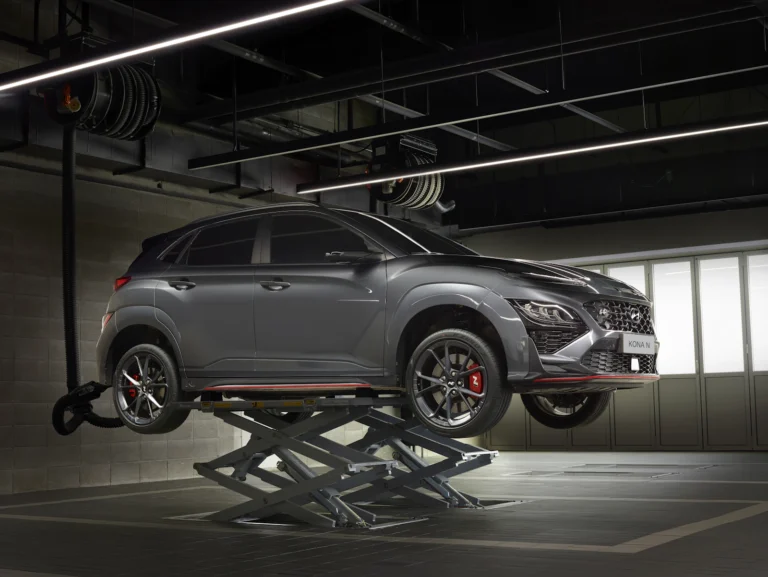
Undercarriage cleaning removes accessible dirt and road deposits. The useful result is a cleaner surface and a clearer view of exposed components. Hidden areas, leak diagnosis and corrosion repairs need separate agreement.
For an exterior and cabin wash, use routine car cleaning. Underbody work needs its own list of accessible areas, cover handling and exclusions.
Price the areas and access you need
An exposed underside wash is different from removing covers and cleaning accumulated oil or mud. Choose the work first so the quote includes the areas you expect.
Detail Dubai lists undercarriage cleaning at this price. Its listing does not define cover removal, heavy-deposit treatment or VAT inclusion. Use it as a basic budget reference, not a price for complete underbody detailing.
Price reference checked in October 2026. Wrapping.ae confirms its own price after assessing your vehicle and access.
Specify visible surfaces, loose-debris removal, suitable washing, drainage and drying. Confirm lift access and whether wheel housings are included.
Add the cover list, removal and refitting labor, inspection access and any replacement clips. Areas behind covers stay excluded unless access is agreed.
Allow for additional preparation, compatible degreasing and cleanup. An active leak must be assessed before its residue is removed.
Request the total including VAT, expected workshop time and any extra charges before booking. Rust treatment, protective coatings, dry ice, leak diagnosis and structural repairs are separate work. Washing does not restore lost metal or repair damaged parts.
What can be reached
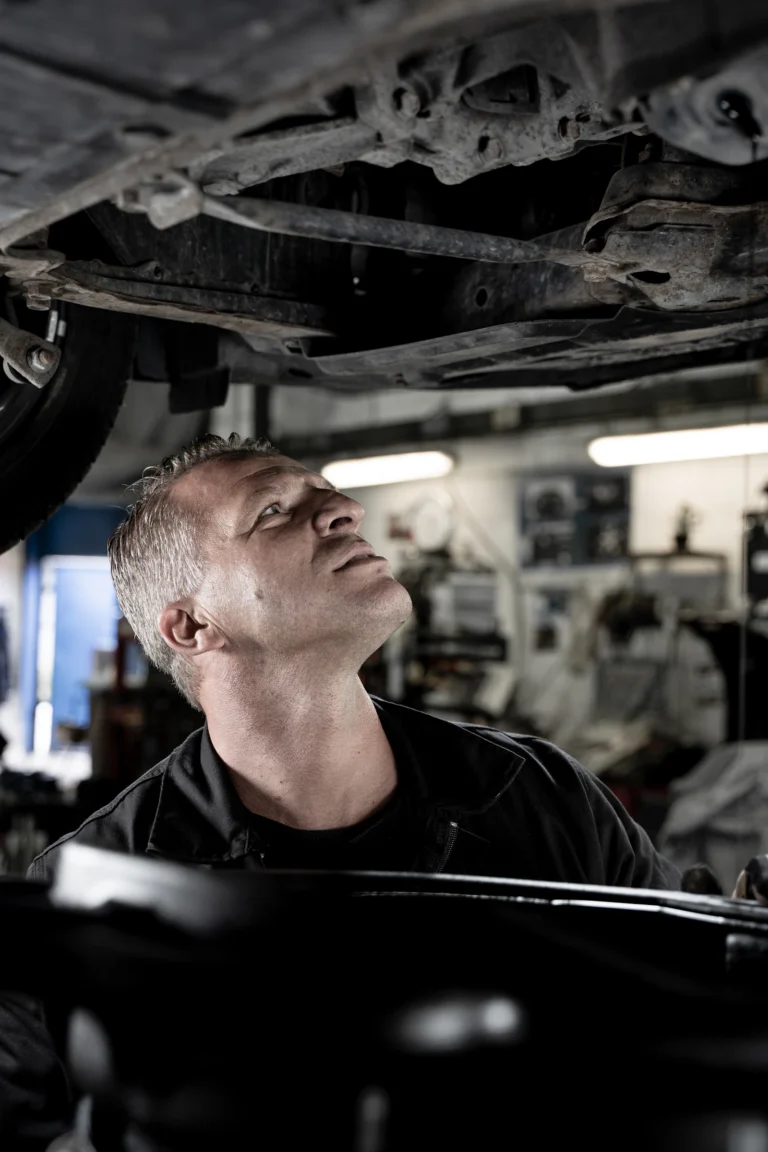
Some cars have large plastic or composite shields. A top-side or exposed underbody rinse will not clean surfaces behind them. Confirm whether a lift is needed and whether an undertray will be removed, refitted and checked for missing clips.
Wheel arches, liners, exhaust heat shields and lower engine covers also change access. A removal can reveal fresh leaks or damage that should be documented before anything is washed away.
Contamination determines the method
| What is present | Cleaning approach to discuss | When to pause |
|---|---|---|
| Dry sand and ordinary road film | Remove loose debris and use compatible controlled cleaning on accessible areas. | Loose covers or damaged wiring may need attention first. |
| Caked mud | Check trapped areas and drainage, then allow more time for removal and drying. | Do not force a jet behind a fragile shield or sealed part. |
| Oil or greasy deposits | Document the source before cleaning, then choose a compatible degreaser where suitable. | An active leak needs diagnosis and repair, not repeated washing. |
| Salt or coastal residue | Discuss a thorough rinse of compatible accessible areas and follow the vehicle manual. | Visible metal loss, flaking or penetrated corrosion needs inspection. |
Choose by condition and access
A method is chosen after checking the vehicle, the deposit and the components exposed. There is no universal pressure setting or chemical that suits every underbody.
Record leaks and loose parts, review the vehicle maker’s instructions and identify connectors, damaged seals, coatings and trapped spaces that need protection.
For example, Volvo’s model-specific washing guidance distinguishes underbody cleaning from precautions for high-pressure equipment. Follow the instructions for your own model.
Inspect before applying water
The vehicle, its powertrain and the condition of exposed parts determine where cleaning can be done. Document leaks and loose components before washing removes useful evidence.
Identify exposed wiring, sensors and damaged connector seals. Keep a directed jet away from vulnerable openings.
Check breathers, undertrays, liners, clips and damaged shields. Confirm what will be removed and refitted.
Allow hot parts to cool. Document an active oil, fuel or coolant leak and arrange diagnosis before cleaning it away.
Identify the model and follow its care instructions around high-voltage components. Do not wash while the charging cable is connected. Damage around the battery enclosure or exposed electrical parts needs assessment before washing.
Share the model, year, powertrain, recent water or off-road exposure, rust, aftermarket coatings and any loose covers. Photos help plan access, but cannot establish structural condition. Mention loose underseal or a recent protective coating so the team can check compatibility before cleaning.
Fuel odor, damaged brake lines, electrical warnings or an unsafe lift point call for a mechanical assessment before any wash.
Clean to assess, then decide
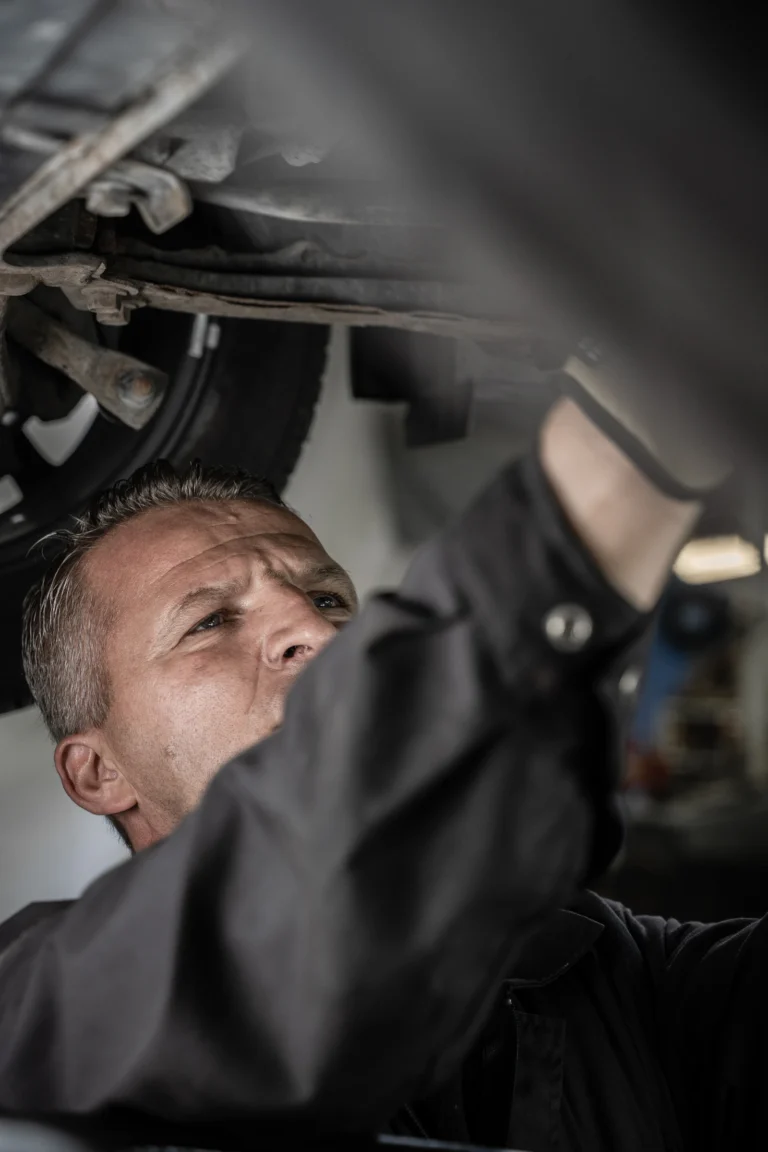
A wash may reveal what is under dirt and road film. It cannot restore lost metal, a weakened mounting point or a damaged brake or fuel line.
Light surface staining can be cleaned so the remaining condition can be assessed. Any protective treatment needs its own product, preparation, drying, masking and coverage quote.
Loose scale, holes, line corrosion, weakened mounts or damaged coating need a mechanic’s inspection and a separate repair plan. Do not coat over wet dirt or active corrosion and call it restored.
Compare the separate underbody rust protection service after the condition is known.
A soft brake pedal, suspected brake-fluid or fuel leak, dragging exhaust or seriously weakened structural part requires stopping when safe and arranging a mechanical assessment. Do not drive to a wash to deal with the symptom.
One agreed plan from arrival to collection
Identify deposits, leaks, damaged covers, loose coatings and vulnerable components. Confirm safe access and photograph relevant areas before cleaning changes their appearance.
List surfaces, method, suitable products, protection and undertray handling. Include lift access, drying and refitting. Ask for the total including VAT and approval before any additional work.
Remove agreed accessible deposits, manage wastewater and debris, and allow for drainage and drying. Review the areas cleaned and any visible concern that needs a separate inspection.
Before booking
A published Dubai market listing gives AED 150 for undercarriage cleaning, without defining undertray removal, heavy deposits or VAT inclusion. Wrapping.ae quotes the actual surfaces, access, method and preparation required. Ask for the total including VAT and any cover removal or refitting charges.
The written quote should identify the accessible surfaces, removal of loose dirt, compatible cleaning, drainage and drying. Lift access, wheel housings, undertray removal and heavy-deposit treatment must be stated rather than assumed.
Cleaning removes deposits and can expose the surface for inspection. It cannot replace lost metal or strengthen a damaged part. Corrosion treatment, protective coatings and structural repair require separate assessment and pricing.
Only when removal and refitting are agreed. Large shields can hide the area you want cleaned. Missing or damaged clips may need replacement, and a loose cover may need repair before washing.
Tell us about the leak before booking. Record the source and condition first, then assess suitable residue cleaning. Leak diagnosis and repair are separate. Repeated washing will not stop oil from returning.
No. Follow the model’s care guidance and assess the condition of seals, wiring, coatings and exposed components. Controlled hand cleaning may be more appropriate around vulnerable areas. No single pressure setting suits every vehicle.
Dry ice is a separate specialist request. Confirm equipment and operator availability, eligible surfaces, protection and the price before booking. It is not included in the standard cleaning quote and does not repair corrosion.
Suitability depends on the exact model and condition. Follow the vehicle’s instructions, disconnect charging before washing and identify damaged shields or electrical components first. Do not treat battery-enclosure damage as a cleaning problem.
The schedule depends on access, cover removal, contamination, cleaning method, drying and refitting. Ask for a drop-off and collection window after those items are assessed. A quick exposed rinse and detailed work behind covers need different time allowances.
Use the vehicle maker’s guidance and the conditions in which you drive. Mud, salt and trapped road residue can justify cleaning. Oil that returns after washing needs diagnosis. A fixed three-month interval is not necessary for every car.
Talk to our Al Quoz team
Call with your car model and the cleaning you need. Mention leaks, rust or damaged covers. Photos can follow if helpful, and an inspection may be needed to confirm access, method, price and collection time.