
Choose a useful business role
Vehicle Wraps for Different Businesses
Vehicle wraps can help service businesses identify arrivals, retailers connect deliveries with their brand, and B2B operators present a consistent fleet. They are most useful when working vehicles are visible to relevant customers. Choose coverage around that purpose, then measure recognition or inquiries from your own operation.
Start with how the business uses its vehicles
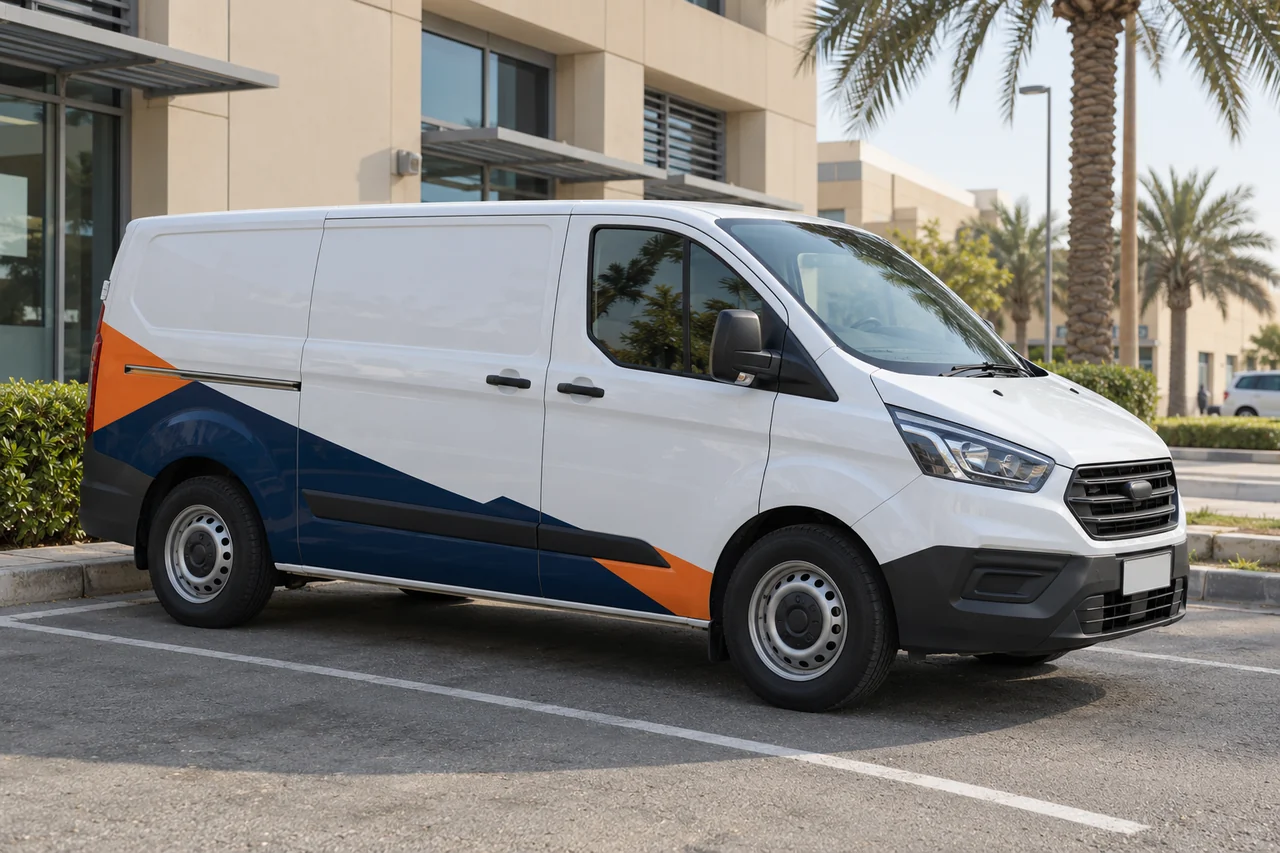
Service providers, delivery operators, retailers, caterers and businesses with visible fleets can benefit from vehicle wraps. The strongest fit is a vehicle already working where relevant customers can see it, with an identity that remains useful throughout the ownership period.
The benefit may be easier recognition at an appointment, a consistent company image or another opportunity to be noticed locally. Those are different goals. A wrap does not guarantee inquiries, sales or a particular return on advertising spend.
Start with an ordinary working week. Where does the vehicle travel, how long is it visible at legitimate stops, and who sees it? A van used daily around your service area presents a different opportunity from a car kept in a private garage.
| Business type | Practical benefit | Strongest fit |
|---|---|---|
| Home and trade services | Identify the business at customer properties | Regular local visits and a clear service area |
| Retail and deliveries | Connect deliveries with the seller or operator | Visible customer-facing stops and recognizable ownership |
| Food and catering | Help customers find the correct outlet or delivery vehicle | Actual trading locations, permitted graphics and clear identity |
| B2B and logistics | Present a consistent company fleet | Relevant commercial routes and continuity across vehicles |
| Events and property | Identify staff or support a specific campaign | Permissions, useful operating locations and a realistic campaign period |
Local service businesses have a clear use case
Air-conditioning maintenance, plumbing, electrical work, cleaning and landscaping often involve repeated visits to homes or commercial properties. Their vehicles can carry a business identity into the same areas where the work takes place.
The useful connection is between the service and the location. Someone noticing a maintenance van nearby may remember the business when a similar need arises. This is an opportunity for recognition, rather than proof that every visit produces a lead.
At an appointment, visible branding can help the customer distinguish your vehicle from another contractor's. It supports the introduction your booking team has already made. It does not replace staff identification, confirmation of the visit or a clear arrival message.
Check your capacity before inviting more calls. If you cannot answer inquiries or serve the areas on the vehicle, a wider public presence may create frustration. Keep the message aligned with the work you actually accept.
Retail and delivery vehicles can connect the journey
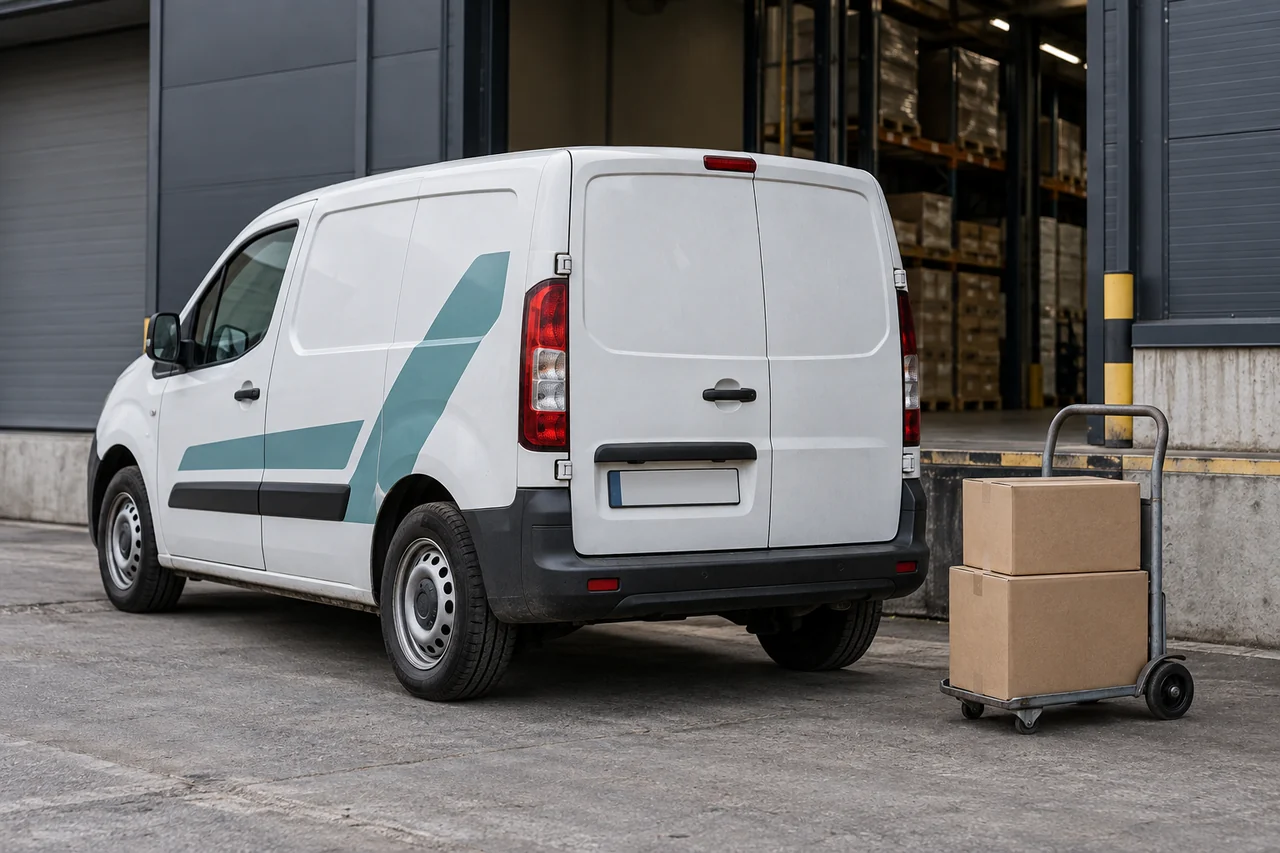
A shop's own delivery van links the business with its customers beyond the storefront. It can help the recipient recognize the vehicle and give nearby people another opportunity to notice the retailer's identity.
For e-commerce, that connection is strongest when the vehicle genuinely belongs to the seller's operation. A third-party courier serving many brands should not be treated as if every vehicle can carry one retailer's artwork. Ownership and permission matter.
Consider the handling routine as well as the journey. Rear doors, sliding doors and loading equipment can change which graphics remain visible. A working vehicle should retain clear access to hinges, lights, ventilation and its normal loading functions.
Retailers with changing product ranges can keep the main business identity stable. Printing a short-lived product offer across the whole body creates a later update decision. A smaller approved campaign area may fit better when the message changes frequently.
Food businesses need different messages for different jobs
A food truck trading at a permitted site serves a different purpose from a restaurant's delivery van. The truck needs customers to recognize the outlet when it is operating. The van may primarily identify the restaurant during deliveries.
Catering vehicles can help identify the supplier arriving at an event or venue. Their visibility may be concentrated around service entrances rather than public areas. Assess the places the vehicle actually uses before treating every event as a large advertising opportunity.
Keep the permanent identity separate from items that change. Menus, prices, daily specials and event dates can become inaccurate long before the main graphics need replacement. Decide where those updates belong before printing the long-term vehicle design.
Food photographs are not a requirement for every vehicle. A clear business name and appropriate color scheme may serve the purpose without filling every panel. Any proposed advertising imagery must still satisfy the applicable approval conditions.
Graphics do not alter food-transport requirements, refrigeration performance or trading permissions. Leave vents, access points and equipment unobstructed. Treat branding as one part of the operating vehicle, alongside the separate requirements of the food business.
B2B operators can prioritize a consistent fleet identity
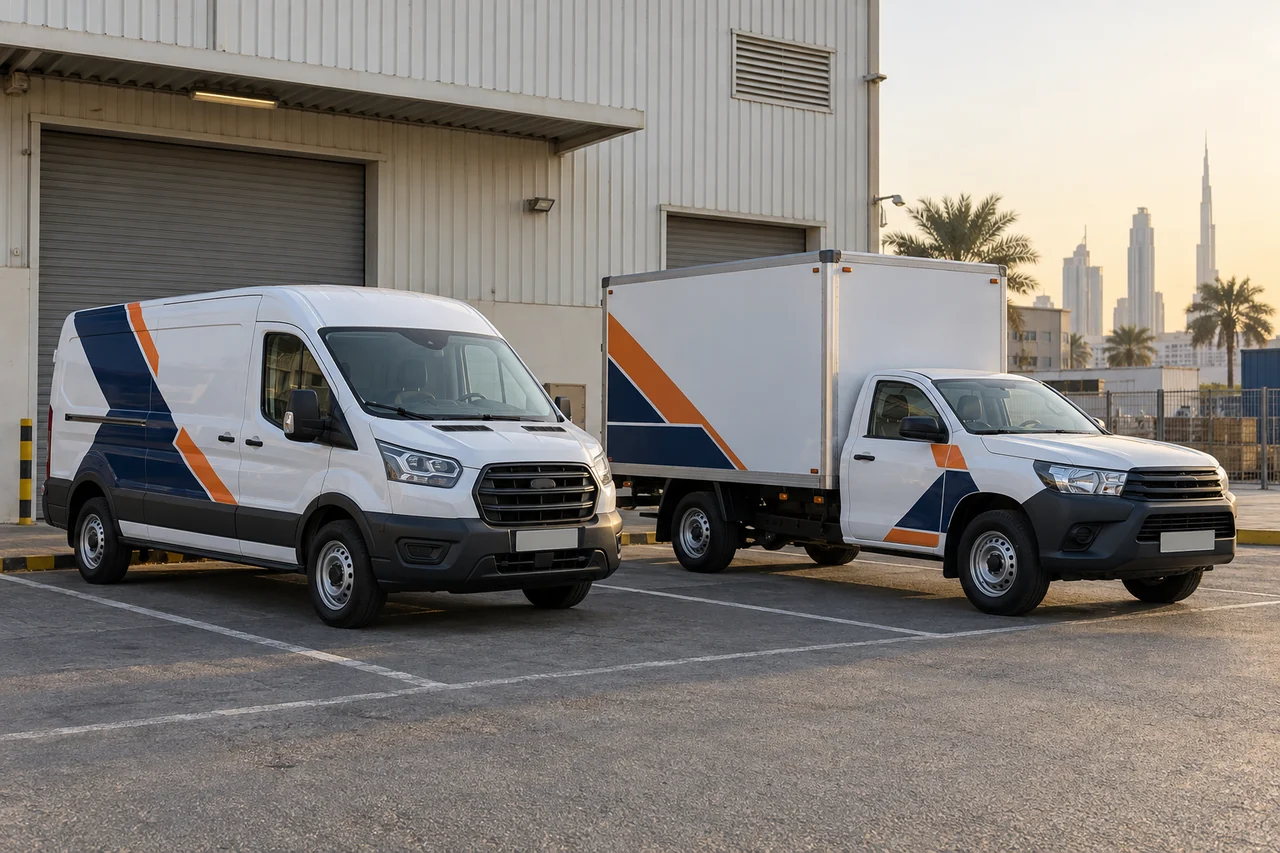
Distributors, logistics companies, facilities managers and equipment suppliers often use several vehicle types. Coordinated graphics can help those vehicles read as one operation even when their bodies, sizes and duties differ.
For some businesses, recognition by existing customers is more useful than broad public inquiries. A distributor visiting warehouses may want its deliveries to be identifiable. It does not need to assume that passing motorists are potential buyers of its wholesale products.
Record which vehicles belong to the business and which are subcontracted or leased. Permission to use a company's logo does not automatically give permission to modify every vehicle serving that company. Confirm the branding arrangement with the actual vehicle owner.
Roll out the work in a sequence that protects deliveries and appointments. Approving one representative vehicle first can reveal practical issues before the design is repeated. It also creates a useful reference for the remaining fleet.
Property and event businesses need a closer fit check
Real-estate agencies may use company vehicles for viewings and appointments. Branding can identify the agency, but the audience changes with the route. A car passing through an area does not establish that its viewers are looking to buy or rent there.
Dubai's vehicle-advertising service specifically lists a Dubai Land Department no-objection certificate for real-estate advertising. Include that requirement in the planning discussion instead of assuming an ordinary company-car design follows the same route as every other business.
Event production, entertainment and exhibition suppliers may use vehicles for equipment transport. A permanent supplier identity can remain useful between events. A specific event promotion needs a shorter campaign plan and a clear end date.
Tour operators and hospitality businesses should check the rules for the actual vehicle and its licensed use. A private company car, an excursion vehicle and a public transport vehicle are not interchangeable advertising categories.
An occasional campaign is not automatically a reason for a permanent full wrap. Compare the expected operating period with approval, installation and removal arrangements. If the vehicle is rarely visible to the intended audience, another channel may deserve the budget first.
Decide whether to proceed, test or wait
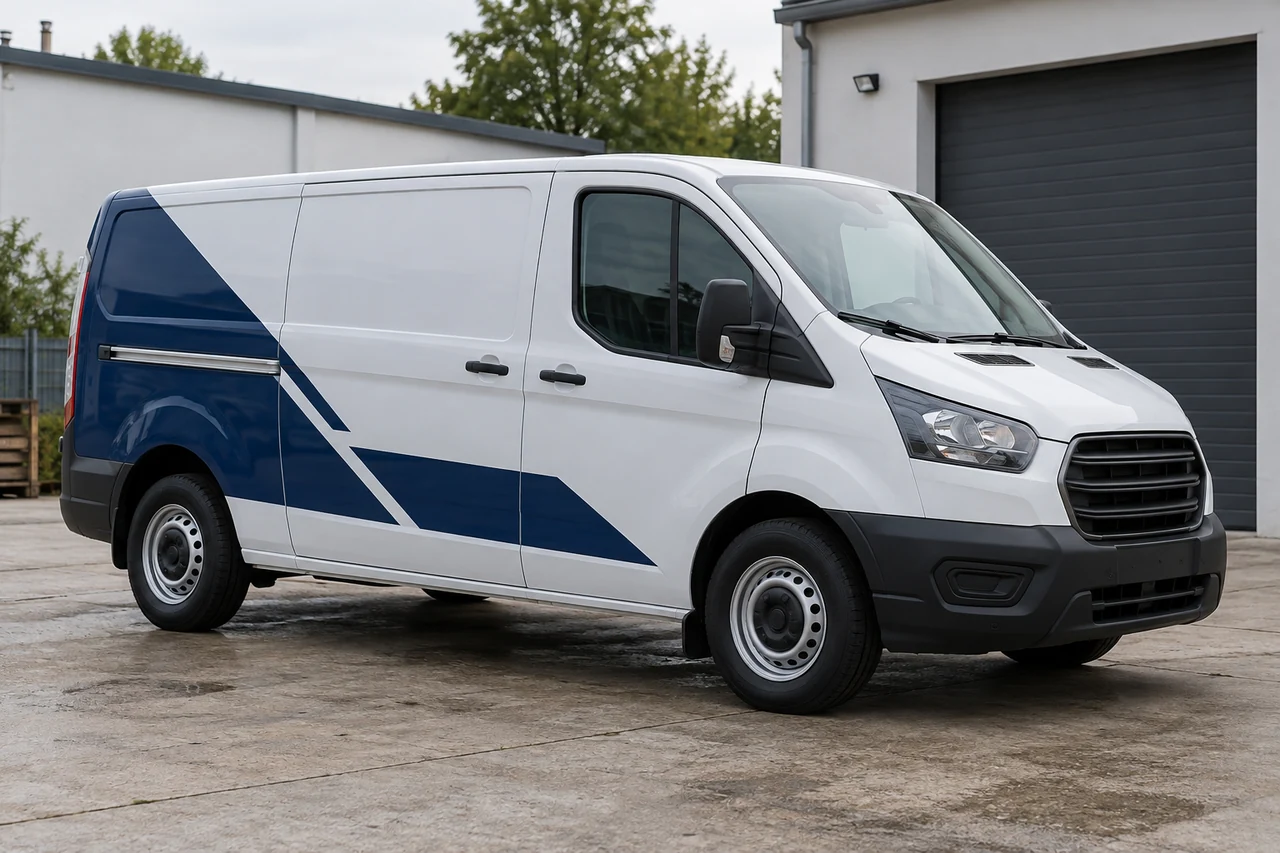
Proceed to a quotation when the vehicle has a clear business role, relevant visibility and a realistic period of use. Confirm that the owner permits the work and that the body condition can support the proposed graphics.
Test a limited scope when visibility seems promising but the likely benefit is uncertain. One regularly used vehicle or selected panels can provide a practical starting point. Agree what you will observe before deciding on a larger fleet rollout.
Wait when the vehicle will soon be sold, the paint needs repair or the lease conditions are unresolved. Waiting can prevent spending on graphics that need immediate removal or cannot be fitted to a suitable surface.
Match the coverage to the business purpose
Simple lettering and logo decals identify a business while leaving most of the original paint visible. A partial printed wrap creates a color area on selected panels. A full printed wrap provides a wider coordinated background. Our full and partial coverage comparison explains what to confirm in the panel schedule.
More coverage does not automatically mean better results. A well-placed identity on a regularly visible van may serve the business better than extensive graphics on a vehicle rarely seen by customers.
3M's graphics film guide distinguishes cut pigmented films for lettering and shapes from printable films used for imagery and wider coverage. Select the format around the message and vehicle rather than choosing a finish first.
Consider future repairs too. A damaged door may require its graphic to be reproduced. Keep the approved artwork and material specification so that a replacement can be assessed, while allowing for color differences caused by age or print batches.
Include operating costs as well as fitting
Compare quotations for the same scope. Artwork preparation, printed coverage, film and laminate, surface preparation, old-graphic removal and installation should be clear. Ask for the VAT treatment and the final payable total, with permit charges identified separately. A lower total is difficult to judge if it leaves necessary work outside the quoted job.
Add the costs your business will carry. These may include permit fees and renewals, transport to the workshop, replacement vehicle arrangements and time out of service. A wrap is not necessarily a one-time expense for the whole ownership period.
Schedule work around actual commitments. Taking every delivery vehicle off the road together can affect orders, even if the graphics themselves are well priced. A staged installation may be more practical than the shortest overall fleet timetable.
Plan eventual removal when considering a lease return or sale. The vehicle's condition, existing repairs and film age can affect wrap removal and paint safety. Do not count on removal being free or harmless to every painted surface.
Our commercial wrapping page covers the service and quotation options. Use this guide to establish why the graphics are needed before choosing the fitted coverage.
Build approval checks into the schedule
Dubai's current application route is Mada Media's vehicle advertising service. It sets document requirements, fees and conditions for different vehicle and advertising categories. Confirm the applicable route before committing the artwork to production. The application requires designs and mock-ups showing all four sides. Its stated completion time is 3–7 working days; allow separately for design revisions, printing and fitting.
Its listed conditions include at least 50% Arabic advertising content and an Arabic trade name matching the relevant documents. It also requires a leasing-company no-objection certificate for a rented vehicle. Arrange these checks early with whoever is responsible for the application.
Color changes can involve Dubai Police approval and a vehicle-information update. Branding another party's trademark can require evidence of ownership or permission. The proposal should reflect the business activity on the trade license.
Do not add a QR code as a routine design shortcut. The service lists a prohibition on barcodes and other restrictions on advertising content. A design that looks suitable on screen still needs to follow the authority's requirements.
Our Dubai wrap rules guide explains the wider approval distinctions. Keep responsibility, the approved design and the applicable permit record clear for each vehicle. Final approval comes from the relevant authority.
Appearance and care affect the business benefit
A vehicle is part of the impression customers see. Clean, intact graphics are easier to present confidently than faded panels or peeling edges. Include routine inspection and the installed film's cleaning and maintenance instructions in the fleet's normal care schedule.
There is no single lifespan that applies to every business wrap. The specified film system, exposure, surface condition, fitting and maintenance all matter. Ask for the written product and installation coverage rather than relying on a general five-year claim.
Printed branding vinyl is not the same product as paint protection film. Do not select it on a promise of protection against every stone impact or sand abrasion. Its main role here is the business identity on the covered bodywork.
Removal also needs a condition-based assessment. Earlier paint repairs, weak coatings and aging graphics can complicate the job. Keep original condition photographs and discuss the return plan before installation, especially for a leased vehicle.
Judge results against a goal you can observe
Ask your team to record how new customers heard about the business. Keep vehicle-related responses separate from existing-customer calls and other campaigns. A mention of seeing the van is useful evidence, although attribution may be incomplete.
Review the quality of those inquiries. A call outside your service area or about work you do not provide is different from a suitable booking. More calls alone do not establish that the graphics are commercially worthwhile.
If the goal is customer recognition, look at arrival confusion and feedback from delivery or service teams. These observations can be useful even when the wrap does not directly generate new sales. Choose the measure that matches the original purpose.
For a fleet pilot, compare comparable operating periods and record other changes. A new promotion, longer opening hours or a busier season can influence results. Do not assign every improvement to the vehicle graphics.
Avoid treating an estimated number of road users as measured impressions. People must actually see and understand the message for it to help. Your own records provide a more useful basis for deciding whether to extend the branding.
Keep a simple fleet-pilot record
Before fitting, choose the review period and record a comparable period without the new graphics. Use the same questions and inquiry categories throughout. This is a planning method, not a promised result.
| Record | What to write down | Why it helps |
|---|---|---|
| Exposure opportunity | Working days, normal routes and customer-facing stops | Shows whether the vehicle was actually used where intended |
| Customer recognition | Arrival confusion and feedback from recipients | Tests identification benefits separately from sales |
| Suitable inquiries | Customers mentioning the vehicle, service requested and area | Separates relevant opportunities from unrelated calls |
| Completed work | Bookings arising from those inquiries and cancellations | Checks whether interest led to useful business |
| Cost and disruption | Artwork, fitting, permits, updates and vehicle downtime | Includes costs beyond the initial installation |
At the review date, decide whether to retain the design, simplify the message or extend the rollout. Record seasonal demand and other campaigns alongside the results so that the comparison remains honest.
Prepare a short brief before requesting artwork
When you are ready to request business vehicle branding, name the business goal, the vehicle models and the number of vehicles. Add the typical routes, customer-facing stops, ownership or lease position and the expected period of use. Those details explain the job more clearly than asking for maximum visibility.
Include photographs of the body, existing graphics and any paint damage. Share the approved business identity and current contact details. Mention any planned changes to the fleet or company name before a design is prepared. Keep the final artwork, named film and laminate, permit record and fitting date against each vehicle so future repairs and rebranding have a clear reference.
Choose a practical next step. That may be simple identification for one van, a partial-wrap trial or a coordinated fleet quotation. The right scope follows the business purpose, the usable vehicle and the approval requirements.
Common questions about business vehicle wraps
Does a small business need several vehicles to benefit?
No. One regularly used vehicle can support recognition if it operates where relevant customers can see it. Start with its normal duties and a clear business goal. Fleet size alone does not establish the likely benefit.
Is a full wrap always better for advertising?
No. Coverage should serve the identity, the vehicle and its viewing conditions. Lettering or a partial design may be enough. Compare the useful message area and total operating cost before choosing wider coverage.
Can a leased van carry business graphics?
Check the lease terms and obtain the owner's permission before work. Mada Media lists a leasing-company no-objection certificate for a rented vehicle. Agree removal and return-condition requirements as well as the installation.
Will vehicle graphics generate a fixed number of leads?
There is no reliable universal lead figure. Routes, audience, readability, the business offer and inquiry handling all affect outcomes. Set an observable goal and record results from your own operation.
Should a courier vehicle advertise the retailer or the courier?
Follow the actual operating and ownership agreement. A courier serving several retailers may need its own identity rather than one seller's graphics. Confirm who can authorize the vehicle modification and use of the brand.
Can a seasonal offer be changed later?
It may be possible to replace a defined campaign area, subject to its construction and the approved artwork. Plan that area before fitting. Do not assume a new sticker can be added over aging graphics without assessment.
Can a wrap hide damaged business-vehicle paint?
It does not repair rust, loose paint or a failing coating. Inspect and resolve unsuitable bodywork before fitting. Graphics follow the underlying surface, and removal can be harder when paint is weak.
Which business should consider another marketing channel first?
A business whose vehicles have little relevant visibility, a short remaining ownership period or unresolved permission may benefit from waiting. Put the budget toward a channel that better matches its customers while those issues are resolved.
Plan a practical scope
Discuss graphics for your working vehicles
Share the business goal, vehicle photographs and fleet size. Wrapping.ae at AMF Auto Services LLC in Al Quoz 4 can discuss suitable coverage and a fitted quotation.